
Navigating the Challenges of Selling Fitness Equipment
Fitness equipment is a highly competitive industry, with numerous producers offering identical goods. Customers now have a wide range of options, which puts manufacturers under tremendous pressure to set competitive prices for their goods.
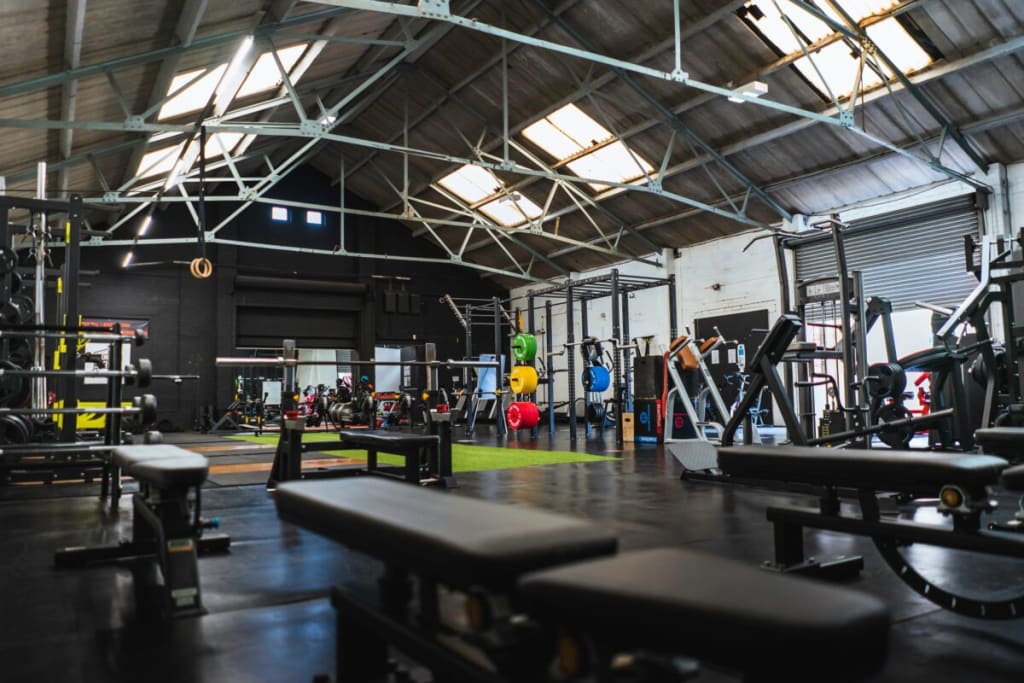
In this modern era, the fitness equipment market now faces several challenges. The developing technologies and changing consumer demands that are reshaping the sales for many businesses. Fitness equipment will always be in demand as long as people want to lose weight or keep their bodies in shape, even though the equipment itself is becoming more advanced.
Below are listed some of the important points that gym equipment manufacturer faces in the sales of their products
High Price:
The cost of fitness equipment can be expensive for certain consumers, preventing them from making a purchase.
Lack of Space:
A lot of people might not have enough space to fit huge pieces of training equipment like treadmills or weight machines.
Fitness equipment may not always be easily accessible, making it challenging for customers to find the equipment they need.
Competition:
Due to the wide variety of fitness equipment in the market, it can be challenging for businesses to stand out and set themselves apart from rivals.
Regular maintenance-
Maintenance and repairs are necessary for fitness equipment, but they may be expensive and time-consuming.
Customer Preferences That Are Quickly Changing:
To stay competitive, fitness equipment firms must keep up with the newest trends and innovations.
COVID-19 Pandemic:
With many people staying at home due to the COVID-19 pandemic, there has been a surge in demand for fitness equipment, but also a strain on supply chains and logistic difficulties due to the pandemic.
Biggest challenges faced by the gym equipment manufacturer
Niche demographics
The necessity to provide tailored equipment that fulfills the unique needs of consumers is the main issue faced by gym equipment manufacturers when it comes to niche demographics. This demands a thorough comprehension of the particular needs of each demography as well as the capacity to design and produce technology that satisfies those needs.
Specialized equipment is needed for groups including elders, individuals with impairments, and athletes since they have varied fitness objectives and physical capacities. For instance, seniors might need equipment with reduced impact and simpler functions, whereas sportsmen might need high-performance equipment with cutting-edge features.
Equipment that meets the demands of these specialized demographics must be developed by manufacturers through research and development. This can be time and money-consuming, and there is always a chance that the equipment won’t be as well or won’t last long due to changing customer preferences.
Marketing to different demographics might be difficult as well.
Industry competition
Industry competition is a significant challenge faced by gym equipment manufacturers for several reasons:
Market saturation:
Many manufacturers are competing for market share in the highly crowded fitness equipment market. Due to this, it is challenging for new manufacturers to compete with well-known brands in the market.
Customer demands
Customers are constantly searching for the latest and best gym equipment. To adapt to changing customer demands and preferences, manufacturers must constantly innovate and create new products.
Pricing
Nowadays there is competition in the market, so to remain competitive the manufacturer must reduce their cost of production.
Brand recognition:
It is difficult for the new manufacturers to build their brand as it is a time consuming process. So it is difficult for them to compete.
Distribution networks:
It is very challenging for the new manufacturers to reach clients in comparison to the well established manufacturers. Thus to build their brand the new manufacturers must spend on distribution networks.
So it is concluded that due to extreme competition in the market the manufacturers must overcome challenges to be successful. Important success elements in this sector are the capability to develop, establish distribution networks, and increase brand recognition.
Customer Preference Changes:
Because consumer preferences are subject to change rapidly, manufacturers must be ready to respond quickly to these changes. For instance, manufacturers can adjust prices to stay competitive if customers decide they suddenly require a certain kind of equipment.
About the Creator
Keep reading
More stories from Vijiay Kumar and writers in Education and other communities.
The Ultimate Guide to Achieving a Powerful Chest
A powerful chest is the dream of all exercise enthusiasts. To achieve the weekly goals of chest exercise, one needs to maintain some basic intentions. So that you can deal with your chest for certain exercises in the gym. For chest exercises, you can buy essential full gym equipment for sale for your home or commercial gym. This post will help you if you decide to add some specialized complete gym machines for sale to your gym so that you can better serve your clients.
By Vijiay Kumar3 years ago in Education
Are Australian Homes Losing Solar Power at Night? The Real Role of Battery Energy Storage Systems
Australia is one of the world’s leaders in rooftop solar adoption, yet many households still face high electricity bills after sunset. Solar panels generate plenty of power during the day, but without storage, much of that energy is sent back to the grid for minimal returns. Later, homes buy electricity back at higher prices.
By bluematrix3 days ago in Education



Comments
There are no comments for this story
Be the first to respond and start the conversation.