
Nature’s Hidden Passengers: 3 Beloved Fruits and Vegetables That May Harbor Invisible Parasites
Often hailed as health foods and cultural delicacies, these natural treasures can also serve as hosts for microscopic parasites—what you don’t see might surprise you

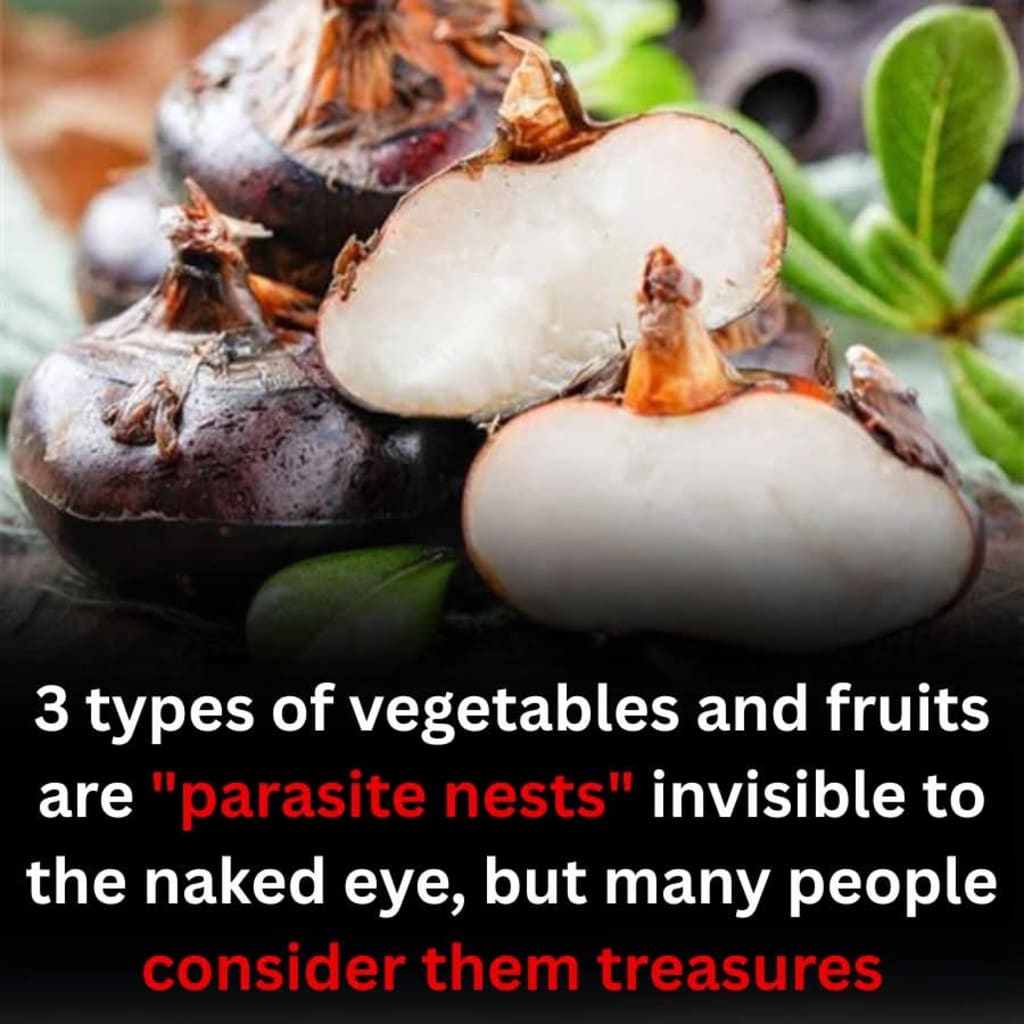
In the world of natural produce, fruits and vegetables are widely praised for their health benefits, flavor, and contribution to a balanced diet. However, what many don’t realize is that some of these beloved natural foods can also act as invisible “parasite nests.” Though they may appear fresh and clean to the naked eye, certain fruits and vegetables are especially prone to harboring parasites due to their growing environments, textures, or handling practices.
It’s important to emphasize: these foods are not inherently dangerous. They are cherished in cuisines around the world and provide essential nutrients. But without proper washing, preparation, or cooking, they can also be vehicles for microscopic organisms—including protozoa, worms, and larvae—that may cause illness in humans.
Let’s explore three such foods that walk the line between “superfood” and “parasite host,” and why they’re still considered treasures in many cultures.
---
1. Leafy Greens (Spinach, Lettuce, Kale)
Why They’re Treasured:
Leafy greens are a staple in health-conscious diets. They’re rich in vitamins A, C, and K, packed with fiber, and offer essential minerals like iron and calcium. In salads, smoothies, and stir-fries, they’re seen as a quick and easy way to boost daily nutrient intake.
The Hidden Risk:
Their broad, textured leaves and dense growth make leafy greens especially good at trapping soil, water, and organic matter. Unfortunately, this also makes them ideal hiding places for tiny parasites. Protozoa such as Giardia lamblia and Cryptosporidium can cling to the surface, surviving even after harvesting and distribution. These parasites are not visible to the naked eye and can be ingested if the greens are not washed thoroughly.
Where the Risk Comes From:
Contaminated irrigation water, contact with animal waste in the soil, or unclean handling during processing can all introduce parasites to greens. Since many people consume leafy greens raw, the risk of ingesting live parasites increases if proper washing techniques aren't followed.
How to Stay Safe:
Wash greens thoroughly under running water.
Use a vegetable brush if the leaves are sturdy enough.
Consider soaking in a solution of vinegar or salt water, which may help dislodge parasites.
For those with compromised immune systems, cooking greens is a safer option.
---
2. Berries (Strawberries, Raspberries, Blackberries)
Why They’re Treasured:
Berries are celebrated for their sweet flavor, vibrant color, and high antioxidant content. Rich in vitamins and polyphenols, they support heart health, boost brain function, and offer anti-inflammatory benefits. In many cultures, they’re considered a seasonal delicacy and are widely used in desserts, jams, and smoothies.
The Hidden Risk:
Their soft skin and tiny crevices can easily trap microorganisms. In particular, Cyclospora cayetanensis, a microscopic parasite that causes gastrointestinal illness, has been linked to fresh berries in multiple outbreaks. Because berries are often eaten raw and their surfaces are difficult to clean thoroughly, they are more likely to carry residues from contaminated water or soil.
Why This Happens:
Most berries grow low to the ground and are delicate, so they are rarely washed aggressively before packaging to avoid damage. When grown in regions where human or animal waste is used as fertilizer, or where water treatment is poor, the risk of parasitic contamination increases significantly.
How to Stay Safe:
Rinse berries carefully under cool running water just before eating.
Avoid pre-washing berries if you plan to store them, as excess moisture can cause mold.
Consider buying from organic or certified farms with strict hygiene standards.
For vulnerable individuals, cooking berries into sauces or jams reduces risk.
---
3. Tropical Fruits (Papaya, Mango, Guava)
Why They’re Treasured:
Tropical fruits are nutrient-dense, exotic, and delicious. They offer a rich supply of vitamin C, digestive enzymes, and unique phytonutrients. In countries where these fruits are grown, they’re seen as cultural symbols and are central to many traditional dishes and health remedies.
The Hidden Risk:
In tropical and subtropical climates—where sanitation infrastructure may be inconsistent—these fruits can be exposed to parasite eggs and larvae in contaminated soil or water. Even fruits with thick skins like papaya and mango can carry parasites on their surface, which may be transferred to the edible flesh when cut with a knife.
In the case of guava, its soft flesh and porous skin can allow tiny insects and larvae to burrow inside, making them especially vulnerable to parasitic contamination if not inspected carefully.
Real-World Concerns:
Fruits sold at roadside stands or wet markets in developing countries may be at higher risk of contamination. Reports of Ascaris (roundworm) eggs and Toxoplasma gondii—a parasite that causes toxoplasmosis—have been found in fruit samples from unsanitary environments.
How to Stay Safe:
Wash tropical fruits thoroughly, even those you plan to peel.
Sanitize cutting tools before and after use.
Inspect fruits for holes or signs of internal damage before consumption.
Avoid consuming unwashed fruit in regions with questionable hygiene practices.
---
Final Thoughts
Nature is full of surprises, and sometimes what’s hidden inside our food can be as fascinating as it is unsettling. The reality is, many fruits and vegetables are exposed to natural elements, animals, and human handling before they ever reach our plates. While this can introduce microscopic parasites, it doesn’t mean these foods should be avoided.
With careful selection, proper washing, and mindful preparation, you can continue to enjoy these treasured fruits and vegetables without fear. The key is awareness: understanding the risks empowers us to protect our health while still embracing the richness and diversity of natural foods.
About the Creator
Keep reading
More stories from DigitalAddi and writers in Education and other communities.
Understanding Unusual White Bumps: Why They Appear on Lips and Private Parts
It can be alarming to discover small white bumps on your lips or private parts. These unusual spots may appear suddenly or develop over time, prompting concern about whether they are contagious, dangerous, or a sign of something more serious. Fortunately, many of these bumps are benign and treatable, but it's important to understand what they might be and when to seek medical attention.
By DigitalAddi7 months ago in Education
Top 10 SEO Experts In Pakistan In 2026
Introduction Search optimization in 2026 no longer revolves around keywords or isolated ranking tactics. Google’s AI Overviews, entity-based indexing, and answer-first systems have changed how visibility is earned. Search engines now evaluate meaning, credibility, and contextual authority rather than mechanical signals.
By Sajid Ali Shar3 days ago in Education
Colors and Such
Before I retired in 2020, I worked as a Nursing instructor in one of the nation's largest community colleges. It was a job I thoroughly enjoyed for fifteen years because I had a heart for the students and genuinely wanted to invest in them and their futures.
By Shirley Belk4 days ago in Education




Comments
There are no comments for this story
Be the first to respond and start the conversation.