
Natural Remedies: The Healing Power of Herbs
The Power of Plants: How Herbal Remedies Can Improve Your Well-Being

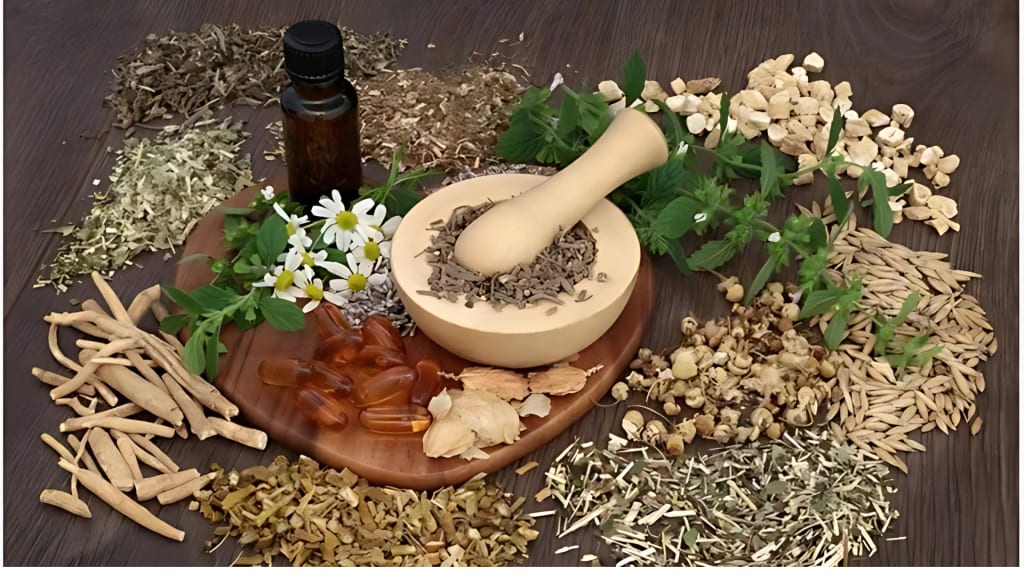
In today’s fast-paced world, many people are turning to natural remedies to address common health issues. Herbal medicine has been practiced for centuries, offering a holistic approach to healing. This article explores some of the most popular natural herbs and their health benefits, providing safe, effective alternatives to conventional treatments.
Why Choose Herbal Remedies?
Herbs have been used in traditional medicine to treat various ailments for thousands of years. Unlike synthetic drugs, which can often cause side effects, herbal remedies tend to work harmoniously with the body’s natural processes. They help boost the immune system, reduce inflammation, and improve overall wellness.
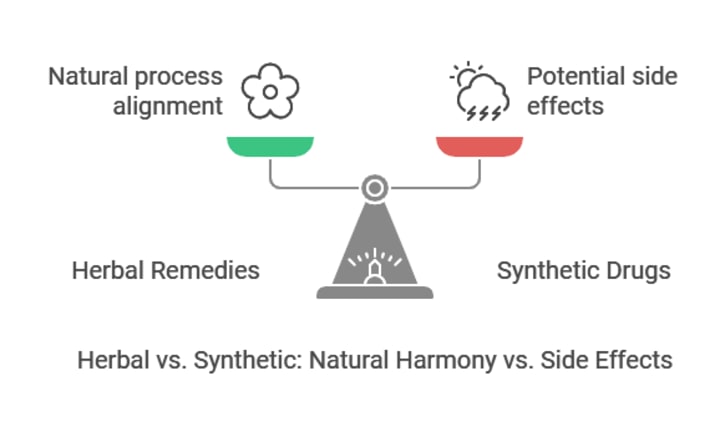
Benefits of Herbal Remedies:
Natural healing properties: Most herbs contain antioxidants and anti-inflammatory compounds that promote healing.
Fewer side effects: When used correctly, they are generally safe with minimal side effects.
Cost-effective: Herbal remedies are often more affordable than pharmaceutical medications.
Holistic approach: They address both the symptoms and root causes of health problems.
Top Herbs and Their Health Benefits

1. Ginger (Zingiber officinale)
Ginger is widely recognized for its ability to ease nausea and digestive discomfort. It’s also a potent anti-inflammatory and antioxidant.
Benefits:
- Digestive Aid: Helps relieve nausea, indigestion, and bloating.
- Anti-inflammatory: Reduces pain and inflammation, particularly in people with arthritis.
- Cold and Flu Relief: Soothes sore throats and reduces cold symptoms.

2. Turmeric (Curcuma longa)
Turmeric contains curcumin, a compound known for its powerful anti-inflammatory and antioxidant properties.
Benefits:
- Anti-inflammatory: Helps reduce chronic inflammation in the body.
- Brain Health: May enhance cognitive function and help prevent Alzheimer’s disease.
- Pain Relief: Used as a natural remedy for arthritis and joint pain.
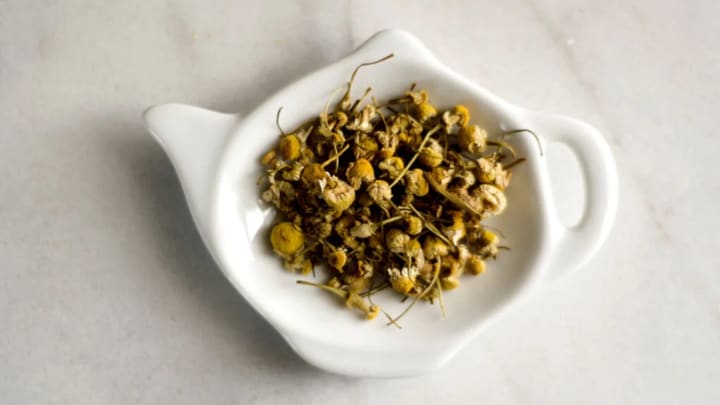
3. Chamomile (Matricaria chamomilla)
Chamomile is famous for its calming effects and is commonly consumed as a tea.
Benefits:
- Sleep Aid: Promotes relaxation and improves sleep quality.
- Digestive Health: Soothes the digestive tract, especially in those with IBS (Irritable Bowel Syndrome).
- Skin Health: Can be applied to the skin to reduce inflammation and irritation.

4. Echinacea (Echinacea purpurea)
Echinacea is popular for its ability to boost the immune system and fend off colds.
Benefits:
- Immune Support: Strengthens the immune system to help prevent colds and flu.
- Wound Healing: Applied topically to aid in healing minor wounds and skin infections.
- Inflammation Reduction: Helps manage infection symptoms and reduce inflammation.
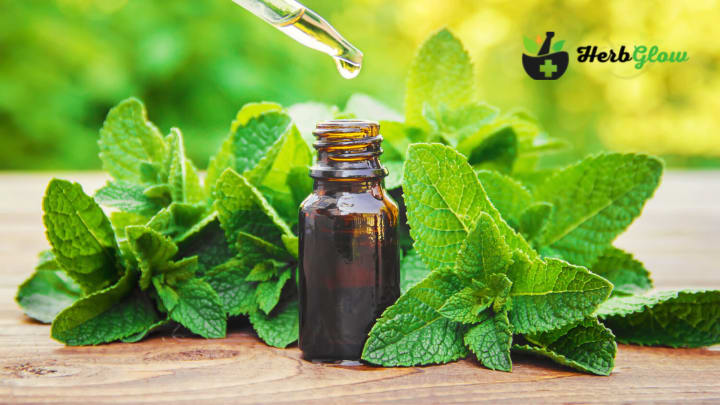
5. Peppermint (Mentha piperita)
Peppermint is well-known for its refreshing taste and various health benefits, especially for digestion and respiratory issues.
Benefits:
- Digestive Health: Relieves symptoms of IBS and reduces bloating.
- Respiratory Relief: Helps alleviate congestion and symptoms of the common cold.
- Pain Relief: When used topically as an oil, it can soothe headaches and muscle pain.

6. Lavender (Lavandula angustifolia)
Lavender is highly regarded for its relaxing properties and is often used in aromatherapy.
Benefits:
- Stress Relief: Calms the mind and helps reduce anxiety.
- Improves Sleep: Promotes restful sleep, whether used in essential oils or consumed as tea.
- Skin Health: Applied to the skin, it helps with acne, eczema, and minor burns.
How to Safely Use Herbal Remedies
While herbs are generally safe, it's important to use them properly to avoid potential side effects. Here are some tips for using herbal remedies safely:
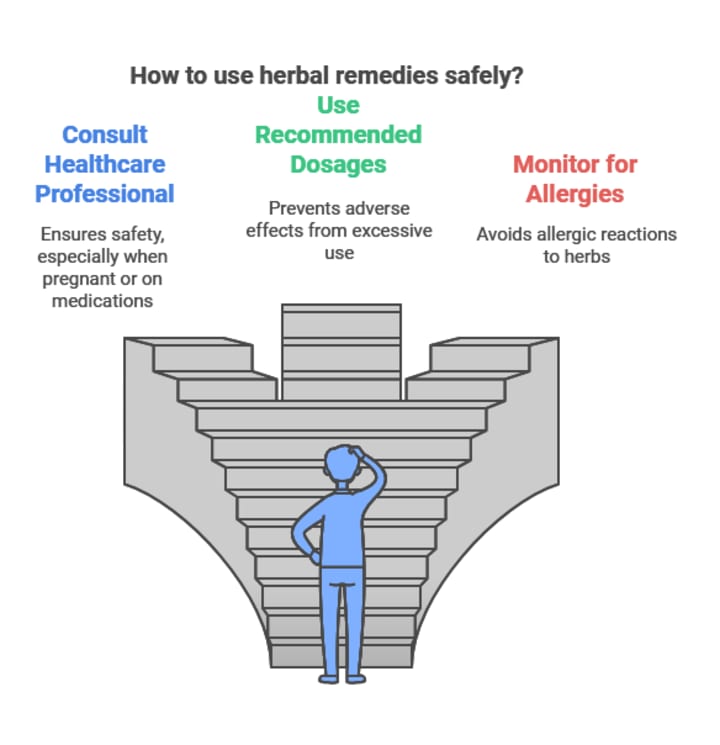
- Consult a Healthcare Professional: Always consult with a doctor, especially if you are pregnant, nursing, or taking prescription medications.
- Use Recommended Dosages: Avoid excessive amounts, as high doses can lead to adverse effects.
- Monitor for Allergies: Some individuals may be allergic to certain herbs, so use caution.
- Purchase from Trusted Sources: Ensure that you’re buying high-quality, organic herbs from reputable suppliers.
Conclusion
Herbal remedies offer a natural and effective way to support your health. Whether you’re looking to ease digestive issues, reduce inflammation, or simply improve overall well-being, herbs can provide gentle yet powerful healing solutions. Incorporating these natural remedies into your daily routine can help you lead a healthier, more balanced life.
Always remember to consult a healthcare professional before starting any new herbal treatments, especially if you have pre-existing conditions or take other medications.
Always remember to consult a healthcare professional before starting any new herbal treatments, especially if you have pre-existing conditions or take other medications.
About the Creator
Empathy as a Guiding Force in the Future of Digital Financial Services
The role of empathy in the future of digital financial services is becoming more important as technology continues to expand. While digital tools offer speed and convenience, customers still want to feel understood and supported. They want financial experiences that respect their emotions, simplify their decisions, and guide them through moments of uncertainty. Empathy allows financial institutions to design digital services that respond to real human needs rather than relying solely on automated functions. This shift toward empathy-driven design strengthens trust and creates meaningful connections between customers and their financial providers.
By Jason Barakat2 days ago in Education
Smart College Planning Tips Every Family Should Know Before Applying to College
College planning can feel overwhelming for students and parents. There are many decisions to make, and each one can affect the future. With the right approach, the process becomes clearer and more manageable. Smart college planning tips help families stay prepared, avoid common mistakes, and move forward with confidence. This article shares simple and practical guidance to support students and parents through every stage of college planning.
By Michael Petruska3 days ago in Education



Comments
There are no comments for this story
Be the first to respond and start the conversation.