
MYTHS ABOUT SEASONAL ALLERGIES
Claryfying several myths about allergies

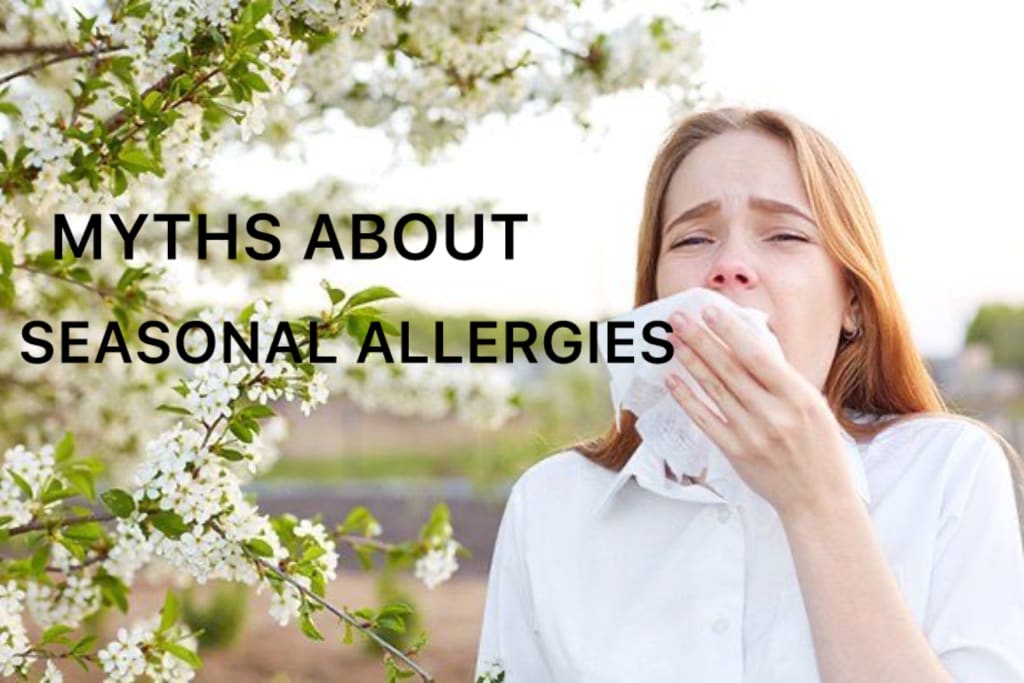
Dr. Weiwei Lee and Dr. Pail Gupta, both board-certified specialists in allergy and immunology, clarify several common myths about allergies:
1. **Flowers and Allergies**: A widespread myth is that flowers are the primary cause of seasonal allergies. In reality, it’s not the flowers themselves but the pollen from trees, grasses, and weeds that triggers allergic reactions. Flower pollen is large and typically carried by insects, not by the wind. Consequently, it doesn’t contribute significantly to airborne allergens that affect our eyes, nose, and airways. In contrast, tree, grass, and weed pollen are small, light, and dry, making them more likely to become airborne and travel significant distances, sometimes up to 50 miles, causing allergic reactions.
2. **Hypoallergenic Pets**: Another common misconception is that hypoallergenic pets are free from allergens. No pet is truly hypoallergenic. While certain breeds might produce fewer allergens or cause fewer reactions, all pets shed dander and saliva, which contain allergenic proteins. Even hairless breeds still produce dander. Pet allergies vary greatly between individuals; some people might tolerate certain pets better than others. It's not just physical contact with pets but also airborne dander that can trigger allergic reactions.
3. **Outgrowing Allergies**: Many believe that you can outgrow seasonal allergies, but this isn’t entirely accurate. Allergies can develop at any age due to changes in the immune system or exposure to new allergens. For instance, moving to a new location with different types of pollen can trigger new allergies. Similarly, people who had pets as children may develop allergies to them as adults. The immune system’s response can change over time, and while symptoms might improve or worsen, there’s no guarantee of outgrowing allergies.
4. **Medication Timing**: It’s a myth that allergy medications should only be taken when symptoms arise. For effective management, it’s better to start taking medications before symptoms become severe. Pre-medicating at the beginning of the allergy season, especially for severe cases, can help control symptoms more effectively. For example, starting antihistamines or nasal sprays two weeks before pollen levels peak can help reduce symptoms when they do appear. The timing for starting medication may vary from year to year based on weather patterns, so it’s useful to refer to past seasons for guidance.
5. **Local Honey**: There is a belief that consuming local honey can help cure seasonal allergies. This is not true. Local honey contains pollen from flowering plants, but this type of pollen isn’t typically a major allergen for most people. Additionally, there’s a lack of scientific evidence supporting the effectiveness of local honey in treating or curing seasonal allergies. While honey may soothe symptoms like a scratchy throat, it does not address the root cause of allergic reactions.
6. **Allergy Shots**: Allergy shots, or immunotherapy, are often misunderstood. They are a proven treatment that reduces both the severity of allergy symptoms and the need for medications over time. Allergy shots work by gradually desensitizing the immune system to specific allergens. The treatment involves regular injections over a period of months, followed by maintenance shots. For those afraid of injections, sublingual immunotherapy tablets are also available. Both methods require a long-term commitment, typically three to five years, to achieve the best results.
7. **Allergy Medications**: It’s important to take allergy medications regularly as prescribed rather than only when symptoms are severe. Consistent use of antihistamines and nasal sprays can be more effective in managing symptoms than sporadic use. Starting medication before symptoms become intense helps keep allergies under control and prevents them from worsening.
8. **Curing Allergies**: Currently, there is no definitive cure for allergies. While immunotherapy can significantly alleviate symptoms and reduce medication needs, it doesn’t offer a permanent cure. Allergies can be managed effectively, but new exposures and changes in the environment can lead to new allergic reactions. The term “cure” is misleading because the immune system remains susceptible to new allergens even after successful treatment.
Overall, understanding these myths and facts about allergies can help in managing and treating them more effectively.
About the Creator
Goodness Anastasia
A dedicated medical expert committed to providing insightful and accessible health tips designed to help readers make informed decisions about their well being⚕️🩺👩⚕️
Keep reading
More stories from Goodness Anastasia and writers in Education and other communities.
Learn Golf the Smart Way: A Clear Path for New Players
Golf is often seen as a demanding sport, but it does not have to be confusing or intimidating. Many people want to learn golf for fun, fitness, or social reasons, yet they feel unsure about where to start. The truth is that golf becomes enjoyable when you focus on the fundamentals and take steady steps forward. This article is designed to help new players understand the game in a practical, straightforward way, especially those seeking golf basics for beginners that are easy to follow and apply on the course.
By Dr. Shawn Keller5 days ago in Education
The Blue Ridge Stalker
Tom had left the Ford down the way, its spark plugs finally exhausted and no mechanics for a dozen miles back through the foothills to Strossburg. No matter, he had worn his boots—almost as if he planned for this to happen. The puzzle he sought to solve emanated from the woods clinging to the slopes above; the valley behind held no mysteries.
By Stephen A. Roddewig2 days ago in Fiction


Comments
There are no comments for this story
Be the first to respond and start the conversation.