
Mysteries of Brainless Survival
Explore the Unbelievable Stories of Those Who Thrived Without Brains

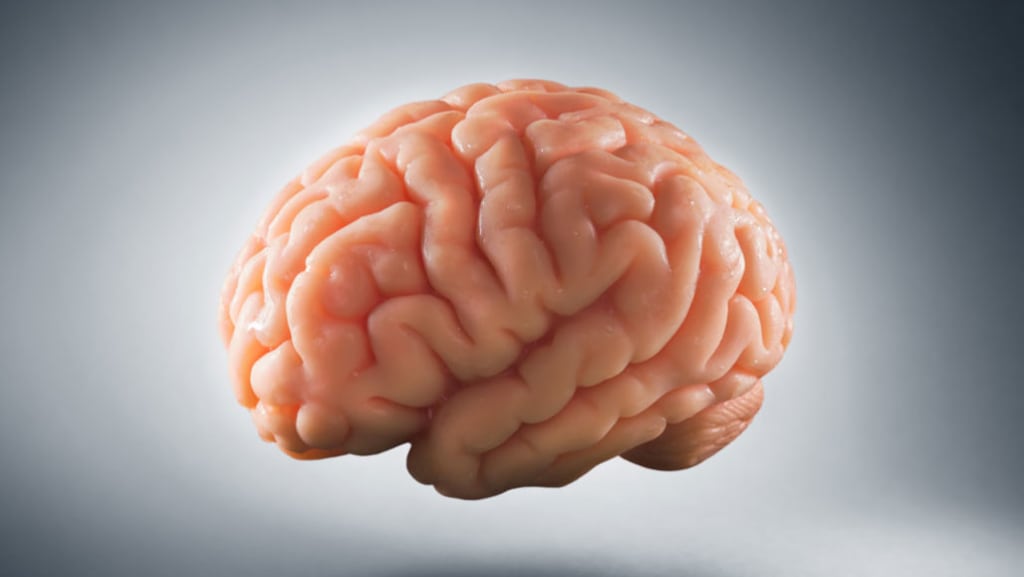
Have you ever wondered what you can do without a brain in your head? Well I am also curious to know, let's dive into it. Firstly, What Is A Brain?
The human brain is a vital organ that controls nearly all of the body's functions. It might sound strange, but it's possible to live with very little of your brain or even without a brain at all. The brain is a highly complex organ, consisting of various parts like the cerebrum, responsible for emotions and learning, and the cerebellum, which manages muscle movements and balance.
However, the brain's role extends beyond bodily functions; it also shapes your personality. Now, let's look at cases where the body has been able to function without the brain or without the full function of the brain.
1. The Mind-Bending Case of Phineas Gage: How One Man's Life-Altering Accident Changed Science Forever.
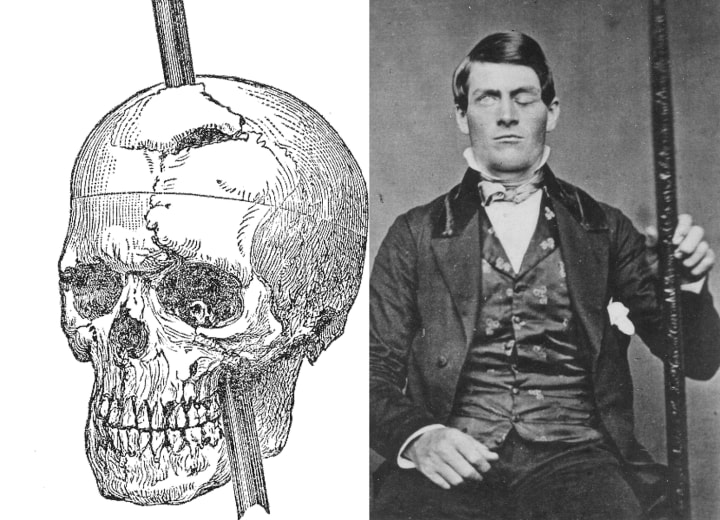
intriguing example of this is Phineas Gage, a railroad worker in 1843 who survived after accidentally impaling his skull with a 43-inch-long rod. Studies on Gage's mental health revealed significant changes in his social behavior, suggesting a link between brain trauma and personality alterations.
2. Born Without a Brain Part - And Never Knew it!
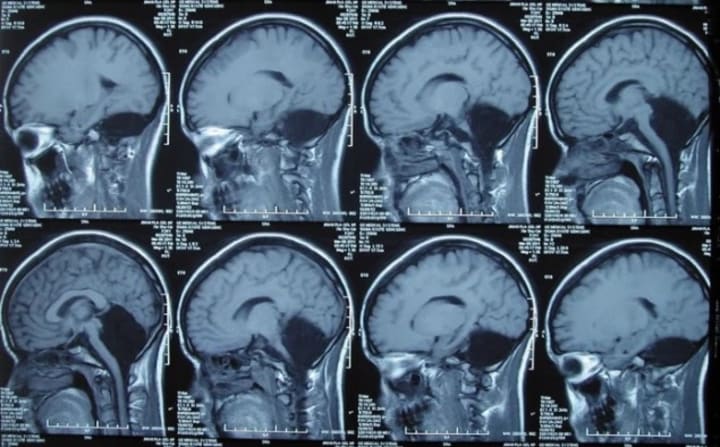
In 2014, a 24-year-old woman in China visited a hospital complaining of nausea and dizziness. A CT scan revealed that she was born without a cerebellum, yet she had led a relatively normal life without even realizing it. The brain's functionality is not limited to specific regions but is spread across the entire brain. Most brain parts can adapt to perform functions of other parts, a phenomenon known as neuroplasticity.
Despite this woman's delayed start in walking (at the age of 7) and her ongoing challenges with unsteady gait and slurred speech as an adult, it's truly remarkable that she can walk and communicate. According to the case study authors, she exhibits mild intellectual impairment, but it's noteworthy that she is married with a daughter, possesses normal word comprehension skills, and maintains a fully functional sense of time and place.
3. A Rare Case of Hydranencephaly: How One Boy Lived Without a Forebrain for 12 Years

In extreme cases, like that of Trevor Waltrip, born without a forebrain, he lived for 12 years with a condition called hydranencephaly, where the usual cerebral hemispheres are missing, and the cranial cavity is filled with cerebrospinal fluid. Trevor's brain stem remained intact, allowing him to breathe, maintain a heartbeat, and respond to basic stimuli. The brain stem is crucial for survival.
Living with only half a brain is possible due to the brain's ability to adapt over time through neuroplasticity. Surprisingly, everyday activities like reading, watching videos, and gaming can reshape your brain, just as we are doing right now to help you understand and learn concepts. This is how learning continually shapes your educational journey.
4. Mike the Headless Chicken and the Mystery of Brainless Survival
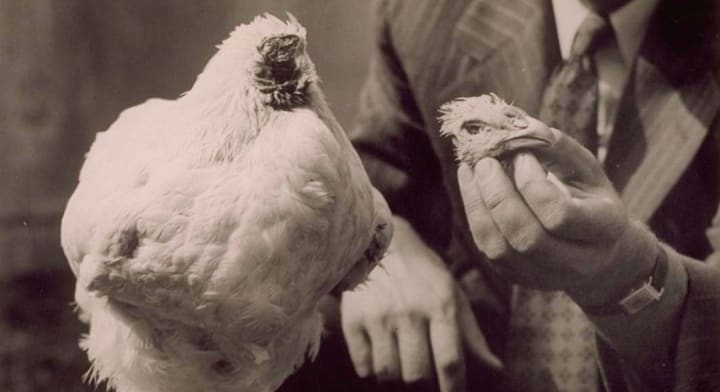
If someone ever mentioned that you were running around in a frantic manner, they might have been alluding to a story about Mike. Mike the Headless Chicken had a peculiar experience back in 1945. His owner, a farmer named Lloyd Olsen from Fruita, Colorado, initially intended to prepare him for dinner.
However, when Olsen swung the axe, it missed Mike's jugular vein, leaving the brain stem intact. A blood clot prevented Mike from bleeding to death. Astonishingly, despite losing his head, the brain stem allowed him to continue basic functions like strutting around and pecking for food. Instead of attempting another swing, Olsen kept Mike alive by nourishing him with liquids and grains using an eyedropper.
Mike quickly gained national fame, traveling across the country as part of sideshows and even appearing in publications like Time and Life. He continued living in this unique state for 18 months until, reportedly, he met his end by choking.
5. The Astonishing Secret of Headless Cockroaches: Surviving Without a Brain
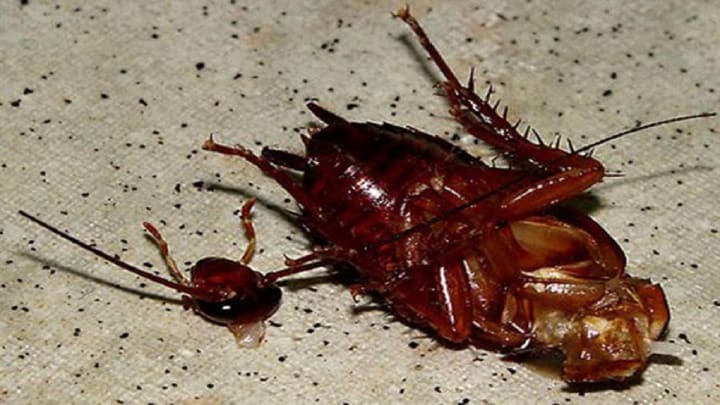
Discover the astonishing world of headless cockroaches and their remarkable ability to defy death. These tiny survivors continue to amaze scientists and capture our curiosity. Here's the intriguing secret: while they can live for a brief period without their heads, it's not because they've become zombies. Instead, it's all about their unique biology.
Picture this: a cockroach with its head removed, yet it doesn't immediately drop dead. How is that possible? Well, the answer lies in their distributed nervous system. Unlike us, many crucial functions in cockroaches are not solely controlled by their brains.
However, there are limitations to their headless existence. They can't eat or drink without their heads because their sensory organs for feeding are in their mouths and antennae. So, although they might survive for a short while without their heads, it's just a matter of time before they succumb to hunger and thirst.
6. The Intriguing World of Reflexes: When Your Body Acts Before Your Brain Does
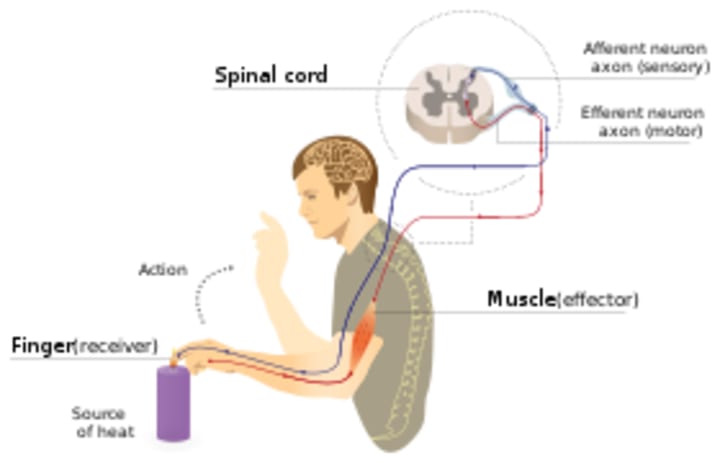
Another examples is 'Reflexes'. Reflexes are movements that occur automatically, sometimes without the brain even being involved. They let your body carry out essential actions like standing upright without you having to think about them. However, we do have reflexes that don't rely on our brains for immediate actions, like pulling away from a hot stove. Involuntary and unconscious processes also seem like no-brainers, but they still need a living brain.
Even after death, some things continue briefly. Muscle cells contain energy, and you can see movement when stimulated. Skin cells can live for days, and gut bacteria keep digesting for a while.
If you enjoyed this journey through the world of brainless survival and remarkable adaptability, don't forget to subscribe for more daily dose of knowledge. Share your thoughts and questions in the comments section below.
About the Creator
Joshua Adebanjo
Hi there, I am Joshua, a writer who is hungry for Knowledge and also loves to share them and have other's insights. Subscribe and do not miss out on daily dose of Knowledge.
Keep reading
More stories from Joshua Adebanjo and writers in Education and other communities.
Space: A Universe of Intriguing Facts
1. First Man In Space In the spring of 1961, Yuri Gagarin embarked on an awe-inspiring odyssey, becoming the first human to venture beyond Earth's bounds. Inside the Vostok 1 spacecraft, his heart raced as he hurtled toward the cosmos. For 108 minutes, Yuri gazed at Earth, a radiant orb suspended in the ink-black firmament. He marveled at the beauty and fragility of our world, a perspective that transcended politics and borders.
By Joshua Adebanjo2 years ago in Education
Why the Sun’s Surface Boils: Understanding Solar Granulation and Turbulent Energy
The Structure of the Sun To understand why the Sun’s surface appears to boil, it is important to first understand the structure of the Sun. The Sun is composed of several layers, each with different physical processes.
By shahkar jalal8 days ago in Education




Comments
There are no comments for this story
Be the first to respond and start the conversation.