
Music Copyrights and Licensing: The Backbone of the Industry
This article is related to Music Copyrights and Licensing: The Backbone of the Industry
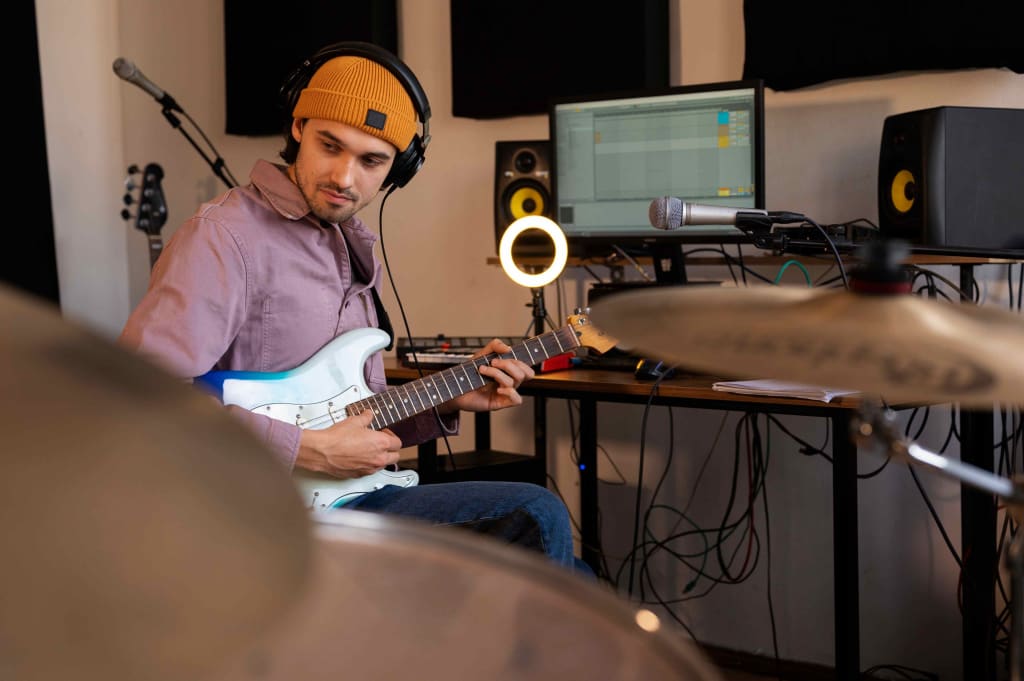
The music industry thrives on creativity and innovation, but behind the melodies and lyrics lies a complex legal framework that ensures artists, songwriters, and stakeholders are compensated for their work. At the core of this framework are copyrights and licensing agreements, which govern how music is used, shared, and monetized. Without these systems, the industry would struggle to sustain itself, leaving creators vulnerable to exploitation. This article dives deep into the significance of music copyrights and licensing, explaining how they function and their pivotal role in the industry.
What is Music Copyright?
Music copyright is a form of intellectual property protection granted to creators of original musical works. This legal protection ensures that the creator has exclusive rights to use, distribute, and profit from their work. In most jurisdictions, music copyright protects two primary elements:
The Composition - This includes the melody, harmony, and lyrics (if applicable) of a song, typically owned by songwriters or music publishers.
The Sound Recording - This refers to the specific recorded performance of a song, usually owned by recording artists or record labels.
Copyright is automatically granted the moment a song is created and fixed in a tangible form, such as a recording or written notation. However, registering the copyright provides additional legal benefits, such as proof of ownership and the ability to pursue damages in court.
The Exclusive Rights of Copyright Holders
Copyright holders enjoy several exclusive rights over their works, including:
Reproduction Rights: The right to make copies of the music, whether in physical formats like CDs or digital formats like MP3s.
Distribution Rights: The right to distribute the music to the public, either through sales, streaming platforms, or other channels.
Performance Rights: The right to perform the music publicly, whether live or through a broadcast.
Derivative Works: The right to create adaptations or remixes of the original work.
Synchronization Rights: The right to synchronize the music with visual media, such as movies, advertisements, or video games.
These rights allow creators and rights holders to control how their music is used and to generate revenue through various licensing agreements.
What is Music Licensing?
Music licensing is the process by which copyright holders grant permission to others to use their music in specific ways. Licensing ensures that creators and stakeholders are fairly compensated while allowing third parties to legally utilize the music. There are several types of licenses in the music industry, each serving different purposes:
Mechanical Licenses
A mechanical license grants permission to reproduce and distribute a composition in a recorded format. For example, when a song is pressed onto a vinyl record, included in a digital download, or streamed on a platform like Spotify, the copyright holder receives a mechanical royalty.
Performance Licenses
Performance licenses are required for the public performance of a song, whether live or recorded. This includes concerts, radio broadcasts, and even playing music in restaurants or stores. Performance royalties are typically collected and distributed by performance rights organizations (PROs) like ASCAP, BMI, or SESAC.
Synchronization Licenses (Sync Licenses)
Sync licenses are needed when a song is used in conjunction with visual media, such as in films, TV shows, commercials, or video games. This type of licensing often involves significant negotiations, as it can lead to substantial exposure and revenue for the artist.
Master Use Licenses
A master use license allows the licensee to use a specific sound recording of a song. This is often paired with a sync license when a recorded version of a song is used in visual media.
Sampling Licenses
Sampling licenses grant permission to use a portion of an existing recording in a new work, such as in a remix or a hip-hop track. These licenses often involve both composition and master use rights.
The Role of Performance Rights Organizations (PROs)
Performance rights organizations (PROs) play a critical role in the music licensing ecosystem. These organizations represent songwriters, composers, and music publishers, ensuring they are compensated whenever their music is publicly performed. PROs monitor radio stations, television networks, streaming services, and live venues to track music usage. They then collect royalties from licensees and distribute them to the rights holders.
Some of the most prominent PROs include:
ASCAP (American Society of Composers, Authors, and Publishers)
BMI (Broadcast Music, Inc.)
SESAC (Society of European Stage Authors and Composers)
In addition to these, many countries have their own organizations, such as PRS for Music in the UK and GEMA in Germany.
Challenges in Music Copyright and Licensing
While copyrights and licensing are essential for protecting creators, they also present several challenges:
Complexity: Navigating copyright laws and licensing agreements can be overwhelming, especially for independent artists. The process often requires legal expertise and knowledge of the industry.
Royalty Disputes: Disagreements over royalty calculations and distributions are common, particularly in the digital era where streaming generates lower per-play payouts compared to traditional sales.
Unauthorized Use: Copyright infringement remains a significant issue, with pirated music and unauthorized samples harming creators' earnings.
Global Variability: Copyright laws and licensing practices vary widely across countries, complicating international use and distribution.
The Future of Music Copyright and Licensing
The music industry is evolving rapidly, and so are its copyright and licensing frameworks. Emerging technologies like blockchain and smart contracts promise to simplify royalty tracking and ensure fairer compensation for creators. Platforms such as Audius and Ujo Music are already exploring decentralized solutions for managing copyrights and payments.
Additionally, the rise of non-fungible tokens (NFTs) presents new opportunities for artists to monetize their work directly while maintaining control over their rights. However, these advancements also raise questions about how traditional copyright laws will adapt to new digital realities.
Conclusion
Music copyrights and licensing are the pillars of a functioning and sustainable music industry. They empower creators, ensure fair compensation, and facilitate the legal use of music across various platforms and media. While the system is not without its challenges, ongoing innovation and adaptation promise a more equitable future for all stakeholders. For artists, understanding these concepts is not just beneficial—it is essential for navigating the modern music landscape and securing long-term success.
About the Creator
Keep reading
More stories from delivermytune and writers in Education and other communities.
Women in the Bollywood Music Industry: Breaking Stereotypes
The Bollywood music industry, much like the larger film industry it belongs to, has long been dominated by male voices—both literally and metaphorically. However, over the decades, women have carved out a significant space for themselves, breaking stereotypes and redefining the landscape of Bollywood music. From legendary singers who laid the foundation to modern-day powerhouses who are challenging norms, the journey of women in the Bollywood music industry is one of resilience, talent, and empowerment.
By delivermytuneabout a year ago in Education
The Duelist
The rays of a dying red sun flashed against the onrushing blade. The grey beards say the key to dueling lies in size, speed, reach, righteous fury, whatever the person in front of them pays them to say. Matteo knew better than any it was none of these and had an undefeated record on these sands to prove it.
By Matthew J. Fromm5 days ago in Fiction



Comments
There are no comments for this story
Be the first to respond and start the conversation.