
Miracles by Millets
Great source of health stock

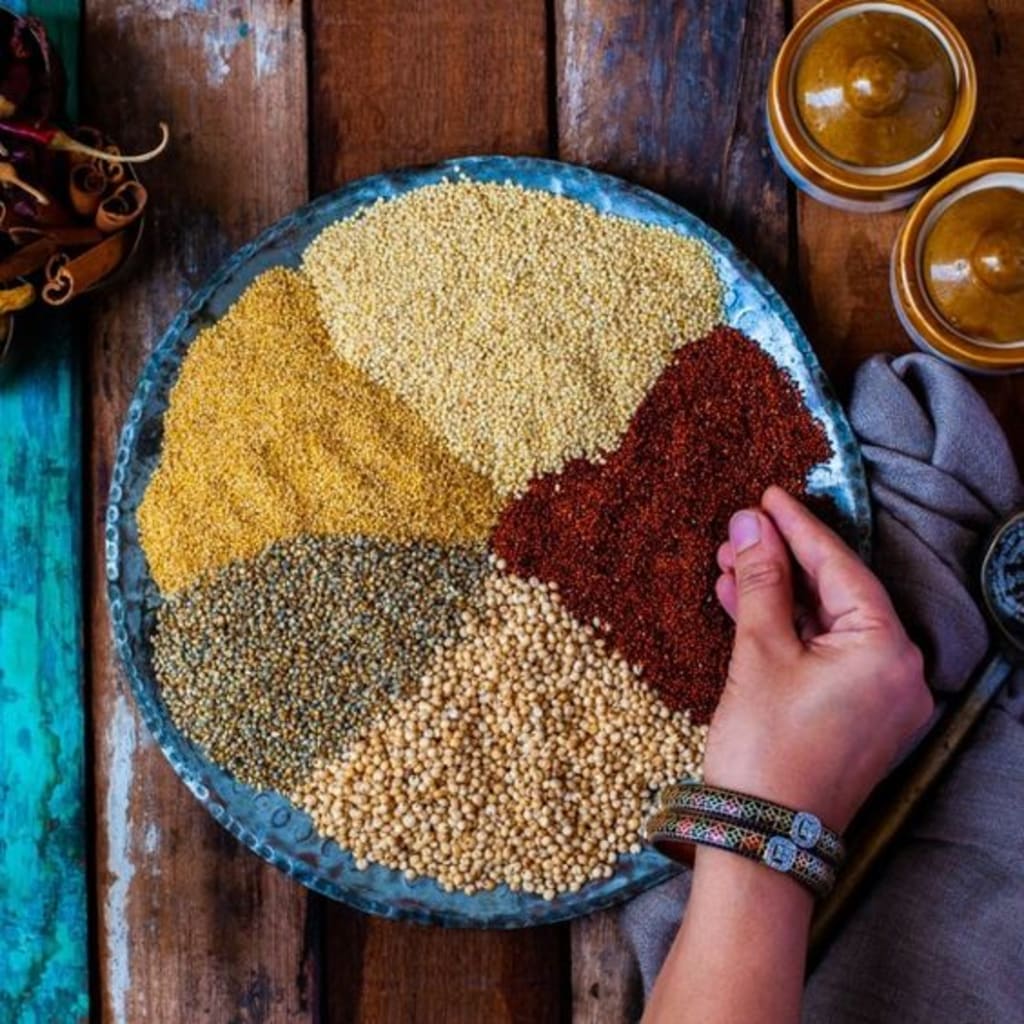
Millets are a group of small-seeded grasses that have been cultivated for thousands of years as a staple food source in various parts of the world. These ancient grains are known for their hardiness, adaptability to diverse climatic conditions, and nutritional richness. Millets belong to the Poaceae family and are widely cultivated in regions with arid and semi-arid climates.
There are several types of millets, with some of the most common varieties being pearl millet, foxtail millet, proso millet, finger millet, and sorghum. Each type has unique characteristics and nutritional profiles, but they generally share common traits such as drought resistance and the ability to grow in poor soil conditions.
Millets have played a crucial role in the food security of many communities, particularly in Africa and Asia, where they have been a traditional part of the diet for generations. These grains are rich in nutrients like protein, fiber, vitamins, and minerals. Additionally, they are gluten-free, making them suitable for those with gluten sensitivities or celiac disease.
In recent years, there has been a renewed interest in millets due to their potential health benefits and environmental sustainability. As awareness of the nutritional value of millets has grown, they have gained popularity as a healthy alternative to more common grains. Millets are also recognized for their role in sustainable agriculture, as they require less water and are resilient in challenging growing conditions.
There are several types of millets, each with its unique characteristics and nutritional benefits. Here are some common types of millets and their associated advantages:
1. Pearl Millet (Pennisetum glaucum):
• Benefits: High in protein, fiber, and essential minerals like iron and magnesium. It is a good source of energy and is known for its digestive health benefits.
2. Foxtail Millet (Setaria italica):
• Benefits: Rich in dietary fiber, low in glycemic index, and a good source of essential amino acids. It is also gluten-free, making it suitable for those with gluten intolerance.
3. Proso Millet (Panicum miliaceum):
• Benefits: High in protein, B-vitamins, and minerals such as phosphorus and iron. It is easy to digest and can contribute to overall cardiovascular health.
4. Finger Millet (Eleusine coracana):
• Benefits: Exceptionally rich in calcium, iron, and fiber. It is also known for its high levels of antioxidants and has a low glycemic index, making it suitable for managing blood sugar levels.
5. Sorghum (Sorghum bicolor):
• Benefits: A good source of energy, rich in antioxidants, fiber, and protein. Sorghum is gluten-free and may have potential health benefits related to heart health and diabetes management.
6. Barnyard Millet (Echinochloa esculenta):
• Benefits: High in fiber, low in calories, and a good source of iron and calcium. It is considered a nutritious option for weight management and overall well-being.
7. Little Millet (Panicum sumatrense):
• Benefits: Packed with nutrients such as B-vitamins, iron, and magnesium. It is known for its potential to promote heart health and support the immune system.
8. Kodo Millet (Paspalum scrobiculatum):
• Benefits: Rich in fiber, protein, and essential minerals like zinc and manganese. It is considered a good choice for those looking to enhance their bone health.
General Benefits of Millets:
• Gluten-Free: Millets are naturally gluten-free, making them suitable for individuals with gluten sensitivities or celiac disease.
• Rich in Nutrients: Millets are often high in protein, fiber, vitamins, and minerals, contributing to overall nutritional well-being.
• Low Glycemic Index: Many millets have a low glycemic index, which means they help regulate blood sugar levels.
• Sustainable Agriculture: Millets are known for their resilience in diverse climates, requiring less water compared to some other crops, contributing to sustainable agriculture.
Research on the potential link between millets and cancer prevention is ongoing, and while some studies suggest that certain compounds in millets may have anti-cancer properties, it's essential to approach this topic with caution. Millets, like many whole grains, are rich in fiber, antioxidants, vitamins, and minerals, which are generally considered beneficial for overall health and may contribute to a lower risk of certain diseases, including certain types of cancer.
Specifically, some studies have explored the potential anti-cancer effects of compounds found in millets, such as polyphenols and phytochemicals. These compounds have antioxidant properties, which means they may help neutralize harmful free radicals in the body that can contribute to the development of cancer. Additionally, the fiber content in millets may play a role in supporting digestive health, and there is evidence to suggest that a healthy digestive system is associated with a reduced risk of certain cancers.
About the Creator
Snega Udaya Sankar
I write product reviews and also some random stuffs that might pop up in my head later sometime.But all definitely creative and decent. If you have time check out my youtube channel "Smart Drunk".
Keep reading
More stories from writers in Education and other communities.
Why the Industrial Cybersecurity Market Is Redefining the Protection of Critical Infrastructure?
As industries become more digital and interconnected, cybersecurity has become important beyond corporate IT environments. Manufacturing plants, power grids, transportation systems, and water treatment plants are increasingly dependent on digital and automated technologies. Among these is the industrial cybersecurity market, which has become paramount in protecting the operational technology and critical infrastructure.
By Akshay Kumara day ago in Education
Unlocking Start up Growth: How to Build a Brand that Leads the Market
Every start up begins with a vision, but turning that vision into a market-leading brand requires strategic planning and focused execution. As start ups grow, their brands must evolve to create a lasting connection with their audience, build trust, and position them as industry leaders. Building a brand that stands out in a crowded market takes more than just offering a great product; it’s about crafting a narrative that resonates with customers and sets the company apart from competitors.
By Nathalie Kyriakou3 days ago in Education
Super Bowl LX Recap: A Team Called Hawks
Sixty. The Super Bowl turned 60! Still amazes me that this was the sixtieth Super Bowl played in NFL history. It seems like yesterday that I watched Super Bowl XXVII, the first SB I ever watched. The QB who won Super Bowl XXVII has since called a few SBs, and will call next year's game, but that's another story. Super Bowl LX took place at Levi's Stadium in Santa Clara, California, the home stadium of the San Francisco 49ers. However, it was one of their division foes who represented the NFC, as the Seattle Seahawks faced off against the New England Patriots.
By Clyde E. Dawkins3 days ago in Unbalanced



Comments
There are no comments for this story
Be the first to respond and start the conversation.