
Micro-Influencers vs. Macro-Influencers: Choosing the Right Influencer Marketing Strategy
Influencer Marketing Strategy
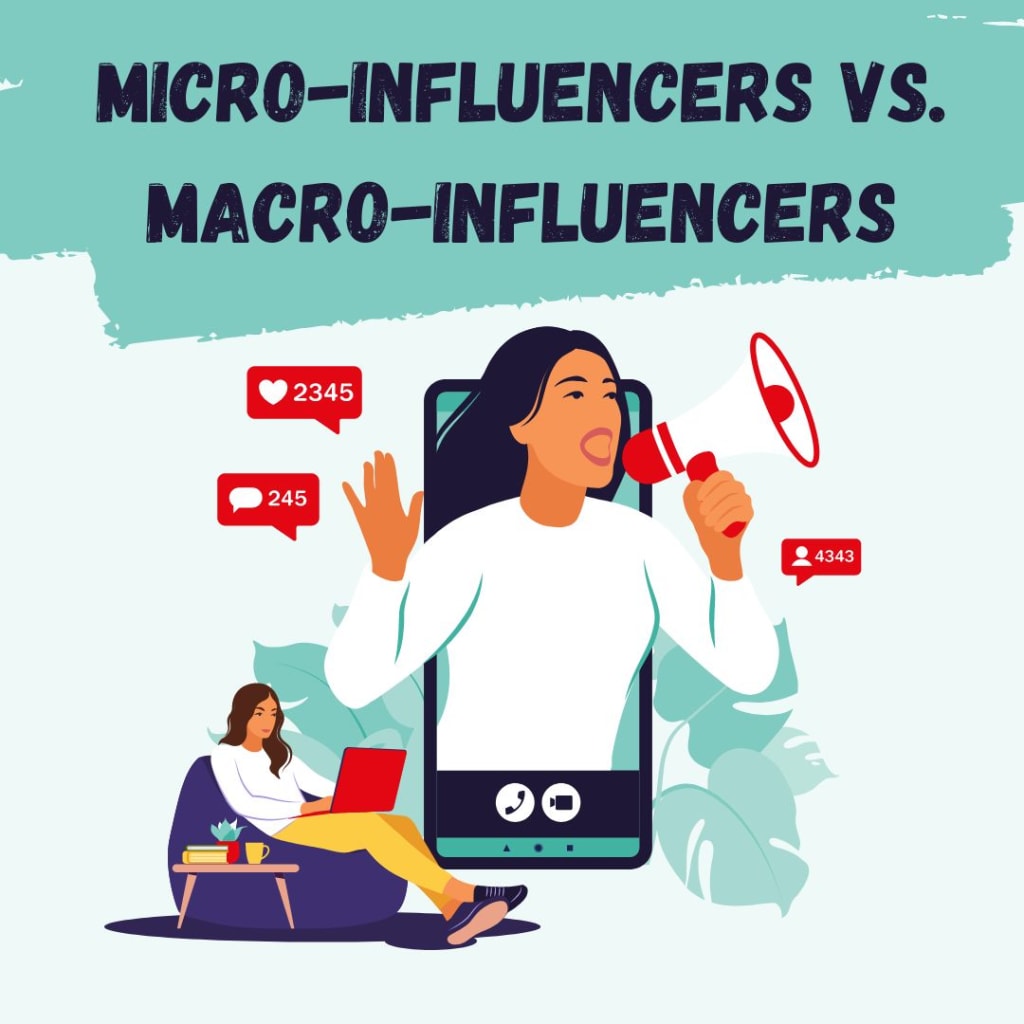
Micro-Influencers vs. Macro-Influencers
Influencer marketing has become a powerful tool for brands to reach their target audience and build brand awareness. With the rise of social media platforms, influencers have emerged as trusted voices that can sway consumer opinions and drive purchase decisions. However, when it comes to influencer marketing, brands are often faced with a crucial decision: should they collaborate with micro-influencers or macro-influencers? In this blog, we will explore the differences between micro-influencers and macro-influencers and help you determine the right influencer marketing strategy for your brand.
Understanding Micro-Influencers:
Micro-influencers are social media users with a modest yet dedicated and actively engaged audience. They typically have a niche focus and are considered experts or enthusiasts in their respective fields. Micro-influencers have a dedicated and loyal fan base, often consisting of individuals who share similar interests. Due to their smaller following, micro-influencers are known for having a more authentic and personal connection with their audience. They are also more accessible and responsive to their followers, which further enhances their credibility and influence.
Advantages of Collaborating with Micro-Influencers:
Targeted Reach: Micro-influencers have a highly targeted audience, often within specific demographics or interest groups. This allows brands to reach a niche market that aligns closely with their products or services.
Higher Engagement Rates: Micro-influencers tend to have higher engagement rates compared to macro-influencers. Since their followers are genuinely interested in their content, they are more likely to interact, comment, and share the influencer's posts.
Authenticity and Trust: Micro-influencers are seen as relatable and trustworthy figures. Their smaller following allows them to maintain a personal connection with their audience, fostering trust and authenticity in their recommendations.
Cost-Effectiveness: Collaborating with micro-influencers is often more cost-effective than partnering with macro-influencers. Micro-influencers may charge lower fees or may even be open to collaborations in exchange for products or services.
Understanding Macro-Influencers:
Macro-influencers, on the other hand, have a significantly larger following on social media platforms. They often include celebrities, industry experts, or well-known personalities with a broad reach and influence. Macro-influencers appeal to a wider audience and can have a significant impact on brand visibility and awareness.
Advantages of Collaborating with Macro-Influencers:
Wide Reach and Exposure: Macro-influencers have a massive following, allowing brands to reach a large audience and gain significant exposure. This can be particularly beneficial for brands looking to increase brand awareness on a broader scale.
Established Authority and Influence: Macro-influencers are often seen as industry leaders or experts in their respective fields. Their endorsement of a brand can lend credibility and authority, influencing a larger audience to trust and engage with the brand.
Professional Content Creation: Macro-influencers are skilled at creating high-quality content that aligns with their personal brand and aesthetics. Collaborating with macro-influencers can provide brands with professionally produced content that can be repurposed across various marketing channels.
Choosing the Right Influencer Marketing Strategy:
When deciding between micro-influencers and macro-influencers, there is no one-size-fits-all approach. The choice depends on various factors, including your brand objectives, target audience, budget, and campaign goals. Here are some considerations to help you make an informed decision:
Define Your Objectives: Determine what you aim to achieve with your influencer marketing campaign. Are you looking to increase brand awareness, drive sales, or engage with a specific niche audience?
Understand Your Target Audience: Study your target audience demographics and preferences. Analyze whether they are more likely to be influenced by micro-influencers or macro-influencers and their preferred social media platforms.
Budget Considerations: Evaluate your budget and resources. Collaborating with macro-influencers may require a more substantial investment, while micro-influencers can offer cost-effective alternatives.
Campaign Goals and Reach: Consider the reach and impact you desire for your campaign. If you need to target a specific niche or local market, micro-influencers may provide more targeted and localized reach.
Brand Alignment: Ensure that the influencer's values, content style, and audience align with your brand's image and messaging. Authenticity and alignment are vital for a successful influencer marketing collaboration.
Conclusion:
Influencer marketing is a powerful strategy that can elevate your brand's visibility and drive meaningful engagement. Whether you choose to work with micro-influencers or macro-influencers, it is crucial to align your strategy with your brand goals, target audience, and budget. Remember that the right influencer marketing strategy may involve a combination of both micro and macro-influencers, depending on your specific campaign objectives. By understanding the unique advantages of each, you can make an informed decision that maximizes your brand's potential for success in the digital landscape.
About the Creator
Keep reading
More stories from Anurag Roy and writers in Education and other communities.
Are You Looking For Best Digital Marketing Course in Lucknow?
Digiskolae, which is a well-known digital marketing training institute in Lucknow. Digiskolae offers a range of digital marketing courses, including courses in search engine optimization (SEO), pay-per-click (PPC) advertising, social media marketing, email marketing, content marketing, and analytics. They also offer customized training programs for businesses and organizations looking to upskill their marketing teams.
By Anurag Roy3 years ago in Education
Understanding Laravel Helper Functions and Their Use Cases
Laravel is widely appreciated for its clean syntax, expressive structure, and developer-friendly ecosystem. One of the most underrated yet powerful features of the framework is its built-in helper functions. These helpers simplify common tasks, reduce boilerplate code, and improve overall development speed. If you’re working with Laravel regularly, understanding helpers in Laravel can significantly improve how efficiently you write and maintain code, especially when building modern applications such as dashboards, SaaS platforms, or integrations with tools like the Best AI Video Ads Tools for marketing automation.
By Lennox Gray6 days ago in Education




Comments
There are no comments for this story
Be the first to respond and start the conversation.