
METAPHOR VS SIMILE
When to Use a Simile Instead of a Metaphor
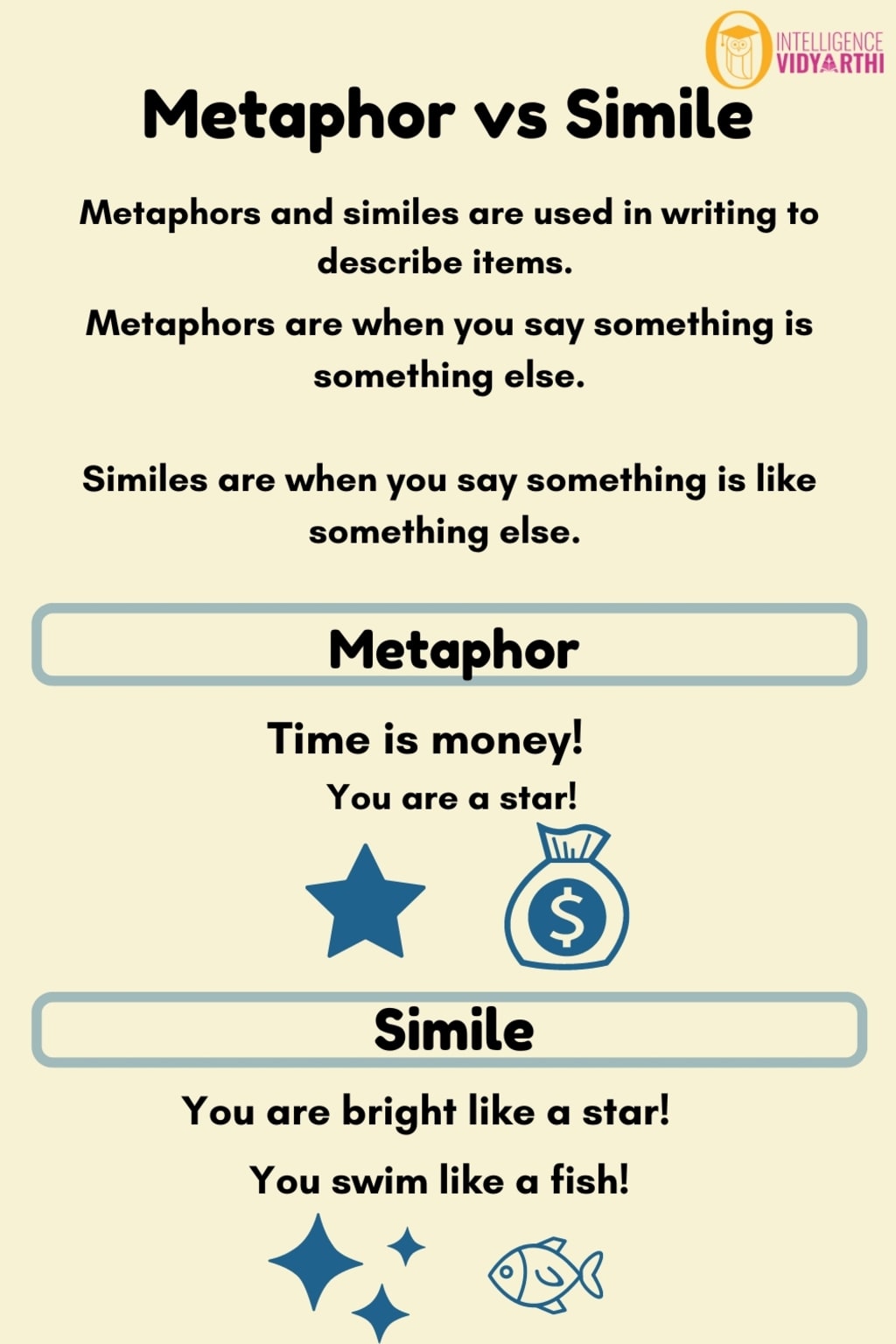
In the world of writing, similes and metaphors are powerful tools that help us create vivid imagery and convey complex ideas. Both serve to draw comparisons, but they do so in distinct ways. Understanding when to use a simile versus a metaphor can enhance your writing and make your descriptions more precise and evocative.
Understanding Similes and Metaphors
Before diving into their applications, let's clarify what similes and metaphors are. A simile is a figure of speech that compares two different things using the words “like” or “as.” For example, “Her smile was like sunshine.” In this case, the simile explicitly compares the brightness of her smile to the sun’s light.
A metaphor, on the other hand, is a more direct comparison that states something is something else, without using “like” or “as.” For instance, “Her smile was sunshine.” Here, the metaphor implies that her smile embodies the qualities of sunshine, without a direct comparison.
When to Use a Simile
Clarifying Complex Ideas: Similes are particularly useful when you want to clarify an abstract or complex idea. By comparing it to something familiar, you make it easier for your audience to grasp. For example, “His determination was like a bulldozer” helps readers understand the intensity and persistence of his effort.
Adding Imagery and Texture: Similes are great for adding layers of imagery and texture to your writing. They allow you to paint a more detailed picture by linking your subject to something tangible. For instance, describing a character’s voice as “smooth as silk” creates a vivid sensory experience for the reader.
Creating a Light, Playful Tone: When aiming for a more informal or playful tone, similes can be effective. They offer a way to be imaginative without sounding overly serious. For example, “He’s as busy as a bee” brings a touch of whimsy and relatability to the description.
Making Comparisons in Dialogue: In dialogue, similes can make characters’ speech more natural and relatable. They reflect the way people often describe things in everyday language, providing authenticity to character interactions.
When to Use a Metaphor
Creating Stronger, More Implicit Connections: Metaphors are often used to create a more profound or implicit connection between two things. They offer a way to convey deeper meanings or evoke strong emotions. For example, saying “Time is a thief” suggests that time stealthily takes away moments from our lives, without explicitly comparing it to a thief.
Evoking a Specific Mood or Tone: Metaphors can establish a particular mood or tone more effectively than similes. They have a way of encapsulating complex ideas or emotions in a single, powerful image. For example, describing a challenging situation as “walking through a storm” conveys struggle and adversity in a vivid, metaphorical manner.
Adding Depth and Nuance: Metaphors often add depth and nuance to your writing. They invite readers to explore underlying meanings and engage with the text on a more interpretive level. For example, describing a person’s ambition as “a blazing fire” implies not just intensity but also the potential for both warmth and destruction.
Crafting a Memorable Impression: Metaphors can be memorable and impactful, leaving a lasting impression on the reader. They often stick with readers because of their striking and imaginative nature. For instance, calling a city “a jungle of concrete” conjures a powerful image of urban complexity and chaos.
Choosing Between Similes and Metaphors
In practice, the choice between a simile and a metaphor depends on the effect you wish to achieve. Similes offer clarity and relatability, making them ideal for straightforward comparisons and a lighter tone. Metaphors, with their more implicit and evocative nature, are suited for deeper connections and creating memorable impressions.
By understanding these nuances, you can select the right tool to enhance your writing and communicate your ideas more effectively. Whether you use a simile to illuminate a concept or a metaphor to enrich a description, both are invaluable for crafting compelling and resonant prose.
About the Creator
SAKSHEE SHUKLA
https://intelligencevidyarthi.in/course_details?table_manners_&_etiquettes&cm=MTc=
Keep reading
More stories from SAKSHEE SHUKLA and writers in Education and other communities.
Similes
Introduction Similes are a fundamental literary device used to create vivid imagery and comparisons in writing. They enhance the reader’s experience by drawing parallels between disparate elements in a way that clarifies or intensifies the meaning. This article delves into the concept of similes, exploring their types, applications, and significance in various forms of writing.
By SAKSHEE SHUKLAabout a year ago in Education
Best Hunting Destinations in America Every Hunter Should Visit
Hunting has deep roots in American culture. It connects people to the land and to a long outdoor tradition. From vast plains to deep forests, the country offers many places where hunters can test their skills and enjoy nature. This guide explores America’s Best Hunting Destinations clearly and straightforwardly. Each place provides rich wildlife, strong traditions, and unforgettable landscapes. If you love the outdoors, these destinations deserve a spot on your travel list.
By Joe Sottolanoabout 19 hours ago in Education
UMPCO Inc: My Insider View on an Unsung Aerospace Fastener Maker
When I first learned about UMPCO Inc, I had no idea how deep its influence ran through aviation and aerospace hardware. Today, I want to take you behind the scenes of this fastener and hardware solutions manufacturer — a company that quietly supports every aircraft clip, clamp, and bracket that helps keep our skies safe.
By Beckett Dowhan6 days ago in Education


Comments (1)
Awesome