
Mental wellbeing
How to maintain your mental wellbeing
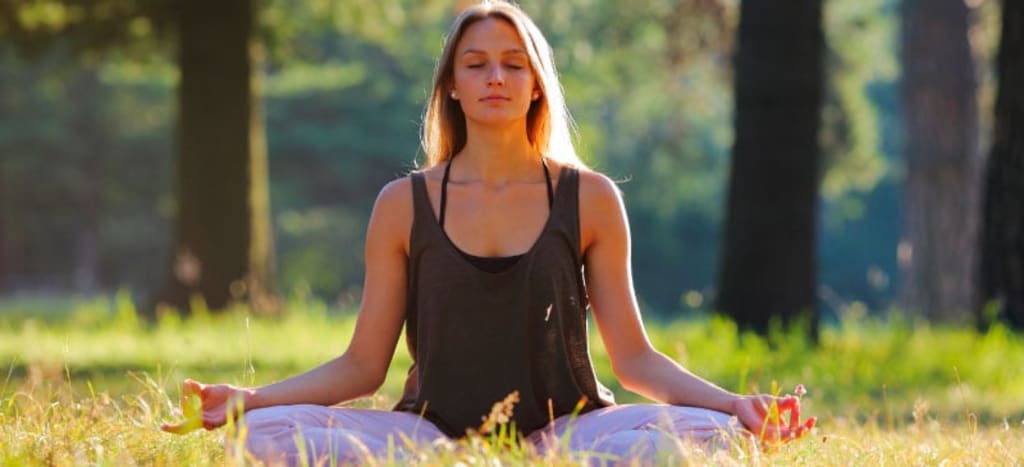
Maintaining your mental well-being is essential for overall health and happiness. Here are some tips to help you take care of your mental well-being:
Prioritize self-care: Make time for activities that you enjoy and that help you relax and recharge. This could include hobbies, exercise, meditation, spending time in nature, reading, or listening to music. Find what works best for you and make it a regular part of your routine.
Practice good sleep hygiene: Get enough sleep each night. Aim for 7-9 hours of quality sleep. Establish a regular sleep schedule, create a comfortable sleep environment, and avoid electronic devices before bed.
Maintain a balanced diet: Eat nutritious foods that nourish your body and mind. Include a variety of fruits, vegetables, whole grains, lean proteins, and healthy fats in your diet. Stay hydrated and limit your intake of processed foods, sugar, and caffeine.
Stay physically active: Regular exercise has numerous benefits for mental well-being. Engage in activities that you enjoy and that get your body moving. Aim for at least 30 minutes of moderate-intensity exercise most days of the week.
Cultivate social connections: Build and maintain strong relationships with family, friends, and your community. Spend time with loved ones, participate in social activities, and seek support when needed. Engaging in meaningful connections can provide emotional support and a sense of belonging.
Manage stress: Develop effective stress management techniques. This may include deep breathing exercises, mindfulness meditation, journaling, or engaging in relaxation techniques. Find healthy outlets for stress, such as engaging in hobbies or talking to a trusted friend or therapist.
Set realistic goals: Establish achievable goals that align with your values and aspirations. Break them down into smaller, manageable steps. Celebrate your progress along the way and be kind to yourself if you face setbacks.
Limit exposure to negative influences: Be mindful of the media you consume, as constant exposure to negative news or social media can impact your mental well-being. Set boundaries and allocate specific times for screen use.
Seek support when needed: Don't hesitate to reach out for help if you're struggling with your mental well-being. Talk to a trusted friend, family member, or seek professional help from a therapist or counselor.
Practice self-compassion: Treat yourself with kindness and compassion. Accept that you're human and that it's okay to have bad days or make mistakes. Be patient with yourself and practice self-acceptance.
Remember, maintaining mental well-being is an ongoing process, and it may require experimentation to find what strategies work best for you. If you're experiencing persistent or severe mental health issues, it's important to seek professional help from a qualified healthcare provider.
Exercises that realise stress
There are several body exercises that can help you release stress and promote relaxation. Here are a few effective options:
Yoga: Yoga combines physical postures, breathing techniques, and meditation to promote relaxation and reduce stress. Poses like Child's Pose, Corpse Pose, and Forward Fold can help release tension in the body.
Pilates: Pilates focuses on core strength, flexibility, and body awareness. The controlled movements and emphasis on breath can help alleviate stress and tension.
Tai Chi: Tai Chi is a gentle martial art that involves slow, flowing movements and deep breathing. It promotes relaxation, balance, and mental clarity, making it an excellent stress-relieving exercise.
Cardiovascular exercises: Engaging in activities like running, cycling, swimming, or dancing can help release endorphins, which are natural mood boosters. These exercises also help reduce stress hormones and increase overall well-being.
Mindful walking: Taking a mindful walk in nature can be a great way to relieve stress. Focus on your surroundings, pay attention to your breath, and let go of any tension as you walk.
Stretching: Simple stretching exercises can help relax your muscles and release built-up tension. Focus on areas that tend to hold stress, such as the neck, shoulders, and lower back.
High-intensity interval training (HIIT): HIIT workouts involve short bursts of intense exercise followed by brief recovery periods. This type of exercise can help release stress and tension while also improving cardiovascular fitness.
Remember, it's important to listen to your body and choose exercises that suit your fitness level and preferences. Additionally, consult with a healthcare professional before starting any new exercise routine, especially if you have any underlying health conditions
About the Creator
Keep reading
More stories from NTANDO MFEKA and writers in Education and other communities.
Poor girl of Nairobi
Once upon a time, in the bustling city of Nairobi, there lived a young girl named Amina. She was known as the "Poor Girl of Nairobi" due to her humble background and the hardships she faced each day. Despite her circumstances, Amina possessed a heart full of dreams and a determination to change her life.
By NTANDO MFEKA 3 years ago in Education
Switzerland Cosmetics Market Opportunities, Challenges, and Consumer Trends 2026-2034
The Switzerland cosmetics market has been on a steady growth trajectory, reaching a market size of USD 832.8 million in 2025. IMARC Group projects this market to expand to USD 1,330.1 million by 2034, representing a compound annual growth rate (CAGR) of 5.07% during 2026–2034. This growth is fueled by rising disposable incomes, the rapid expansion of e-commerce platforms, and the increasing demand for high-quality skincare, makeup, and wellness products that cater to diverse consumer preferences.
By Neeraj kumar3 days ago in Education
How Binocular Astronomy Compares to Telescopes
Understanding the Basics: How Each Instrument Works Both binoculars and telescopes collect and magnify light from distant objects. The main goal is simple: gather more light than your eyes alone can collect and make distant objects appear closer.
By shahkar jalalabout 24 hours ago in Education




Comments
There are no comments for this story
Be the first to respond and start the conversation.