
Mental Health Tips for Students: Boost Wellness Today
Discover practical mental health tips for students to enhance focus, reduce stress, and build resilience. Start your wellness journey today.
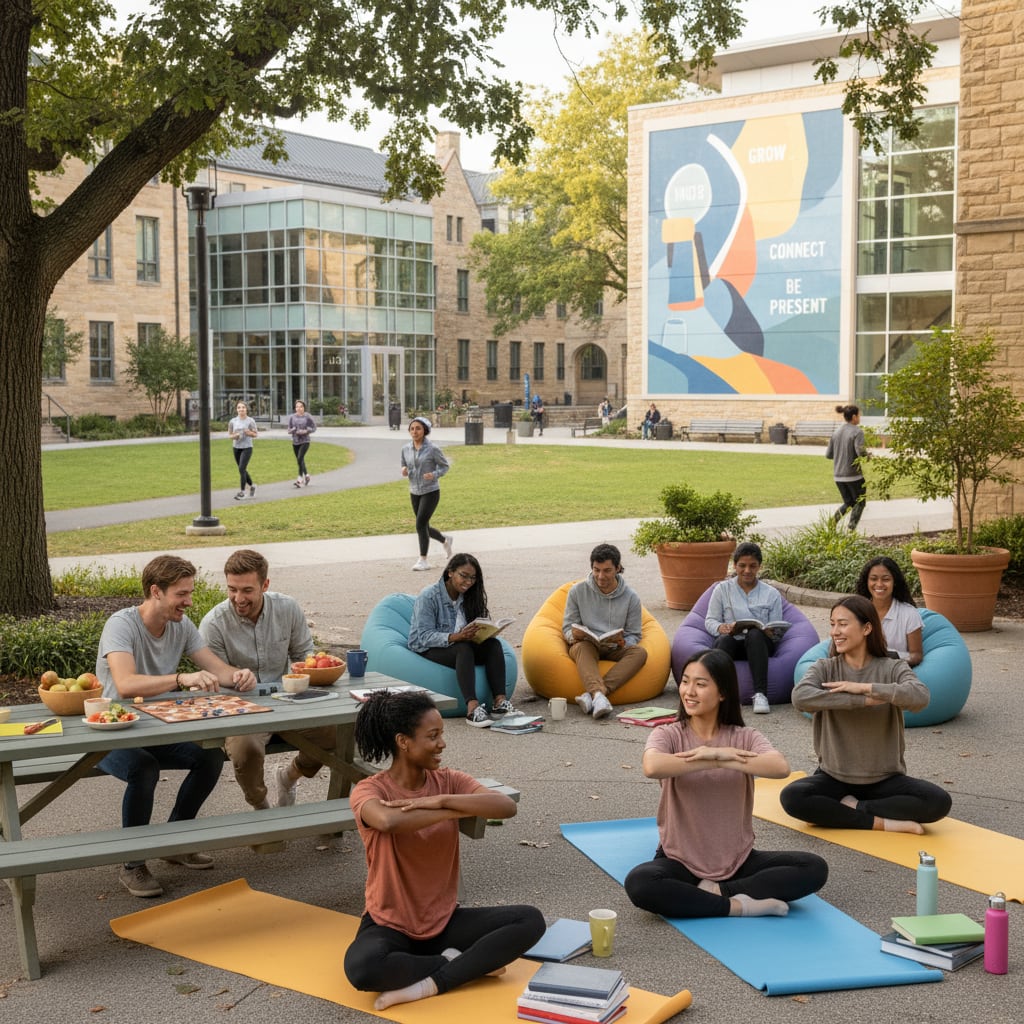
Introduction
Taking care of the mind is just as important as caring for the body. Balancing studies, responsibilities, and personal life can be overwhelming for students. That’s why focusing on mental wellness is essential. Learn more about our mission and resources by visiting our about us page.
What Is Student Mental Health?
Student mental health refers to the emotional, psychological, and social well-being of individuals in academic settings. It involves how students think, feel, and behave while handling daily stressors such as exams, relationships, and future concerns. Good mental health allows students to focus, build strong relationships, and adapt to challenges effectively.
Mental health is not about being happy all the time. It’s about resilience, balance, and recognizing when to seek help. For students, pressures from academic expectations, financial struggles, or social issues can easily affect mental wellness. Understanding these challenges helps in creating better coping strategies.
Student mental health also connects to lifestyle choices such as sleep, exercise, diet, and social support. Building awareness around these factors ensures a healthier approach to daily life. When students learn to identify signs of stress early, they can take proactive steps toward recovery and growth.
Why Student Mental Health Matters
Good mental health is the foundation for academic success. Students with stable mental wellness often perform better, manage stress effectively, and maintain stronger relationships. On the other hand, neglecting mental health can lead to burnout, reduced motivation, and even physical illness.
Educational institutions are now recognizing the importance of teaching mental health. By making emotional well-being part of the learning process, schools and universities help students build lifelong coping skills. Mental health is not a luxury; it’s a necessity for growth.
Ignoring student mental health also impacts society. Future professionals, leaders, and innovators need emotional resilience to navigate challenges. Promoting mental wellness for students ensures they not only thrive academically but also lead healthier, more balanced lives. Addressing mental health in the student community is therefore a collective responsibility.
Benefits of Mental Wellness for Students
Prioritizing mental wellness for students offers countless benefits. First, it improves academic focus. When the mind is clear and calm, concentration increases, making study sessions more effective. Second, mental wellness boosts self-confidence. Students who feel mentally strong are more willing to take on challenges and believe in their abilities.
Another benefit is healthier relationships. Good mental health allows students to communicate better, resolve conflicts, and maintain supportive friendships. Emotional stability also leads to better decision-making, reducing impulsive behaviors and unhealthy coping mechanisms.
Finally, mental wellness enhances physical health. Stress and anxiety can significantly impact sleep patterns, digestion, and immunity. When students manage their mental well-being, they sleep better, eat healthier, and feel more energized.
In short, strong mental health empowers students to perform well academically, build stronger relationships, and enjoy a healthier lifestyle. It creates a balance between personal growth and academic achievement.
Self-Care Practices for Student Mental Health
Self-care is the first step towards maintaining student mental health. It’s about creating habits that support both mind and body. Simple practices like getting enough sleep, eating balanced meals, and staying active are highly effective.
Physical activity is especially powerful. Something as basic as brisk walking improves mood, reduces anxiety, and boosts energy. Exercise is not only about fitness but also about giving the brain a break from constant academic stress.
Mindfulness is another key practice. Taking ten minutes daily for meditation, breathing exercises, or journaling helps students slow down and regain clarity. It’s like pressing the reset button for the mind.
Self-care also includes limiting unhealthy habits. Reducing caffeine, avoiding late-night screen use, and cutting down on junk food improve sleep and focus. Building positive routines leads to sustainable changes.
If you’re looking for more strategies, check out our healing tips. They provide practical methods for managing emotions and staying balanced.
When students view self-care as a necessity instead of a luxury, they build resilience that supports long-term mental health and overall well-being.
Routine and Time Management
Establishing a routine is one of the most effective mental health tips for students. A structured daily plan reduces stress and brings clarity. It doesn’t have to be rigid; even a flexible routine offers a sense of control.
Time management plays a major role here. Many students struggle with deadlines and end up overwhelmed. The trick is to break tasks into smaller steps. Instead of cramming for hours, setting aside short, focused sessions with breaks in between works wonders.
Creating a study schedule also helps prioritize tasks. By marking important deadlines and balancing them with leisure, students avoid last-minute stress. Digital planners or simple notebooks can be useful tools.
Routine isn’t just about academics. It should include time for hobbies, exercise, and rest. A balanced schedule ensures the brain has time to recharge.
Most importantly, routines build discipline. When students stick to healthy patterns, such as consistent sleep and regular meals, they reduce stress and improve performance. Time management, when paired with discipline, transforms academic challenges into manageable steps, creating space for both productivity and relaxation.
Managing Stress and Anxiety
Stress and anxiety are common in student life, but with the right strategies, they can be managed effectively. The first step is recognizing the triggers. Exams, financial worries, or social pressure often create tension. Identifying these factors helps in planning coping methods.
Breathing exercises, meditation, and grounding techniques are excellent for calming the mind. Even five minutes of focused breathing can reset stress levels. Journaling thoughts and feelings is another effective method. It allows students to process emotions instead of bottling them up.
Seeking support is equally important. Talking to a trusted friend, teacher, or counsellor provides relief. Sometimes sharing worries is enough to lighten the load.
Students can also explore our complete guide for additional strategies on stress management. This resource dives deeper into practical tools that support emotional resilience.
Another underrated approach is physical activity. Exercise naturally reduces stress hormones and increases feel-good chemicals in the brain. Combining relaxation practices with physical wellness provides a balanced way to handle pressure.
By adopting these methods, students learn to manage anxiety, turning overwhelming challenges into opportunities for growth.
Connection and Support Systems
Human beings are social by nature, and students are no exception. Building a support system is vital for maintaining student mental health. Strong connections act as a safety net during stressful times.
Friends, family, and mentors provide emotional comfort and practical advice. Sharing struggles with trusted people reduces feelings of isolation. Universities often offer counselling services, student groups, or peer support networks that create safe spaces for open conversations.
Connecting with others also boosts motivation. Group study sessions, collaborative projects, or even casual conversations strengthen emotional bonds. Students who engage in supportive communities feel less alone and more empowered.
Building support systems doesn’t mean having hundreds of friends. Even a few meaningful relationships can make a world of difference. The key is quality, not quantity, when it comes to nurturing connections that encourage resilience and growth.
Nature and Acts of Kindness
Spending time in nature is one of the simplest mental health tips for students. Fresh air, green spaces, and natural light help reset the mind. Even short walks outdoors can reduce stress and increase creativity. Nature acts as a quiet companion that heals without demanding anything in return.
Kindness is another underrated tool for mental wellness. Helping a friend, volunteering, or even offering a smile boosts mood. Acts of kindness release feel-good hormones and create a sense of belonging.
Combining nature and kindness works wonders. Imagine joining a tree-planting activity or helping a neighbor with outdoor chores. Students not only connect with the environment but also experience the joy of giving back.
These practices remind students that wellness is not only about self-care but also about connecting with the world around them. Small acts create lasting impacts on both mental health and community well-being.
Avoiding Digital Overload
Technology is essential for learning, but too much screen time can harm student mental health. Constant notifications, social media comparisons, and late-night scrolling often increase stress and anxiety. Digital overload also affects sleep quality and concentration.
Setting boundaries with technology is crucial. Students can try digital detoxes by limiting screen use before bedtime or designating certain hours as phone-free. Turning off unnecessary notifications helps reduce distractions.
Replacing screen time with offline activities is another solution. Reading a book, drawing, or going for a walk gives the brain a much-needed break. These habits refresh the mind and improve focus.
Students should also monitor social media use. Following positive accounts and avoiding negative comparisons makes online spaces healthier. By balancing technology with real-life experiences, students protect their mental wellness and develop healthier habits for long-term success.
Conclusion
Student mental health is more than an academic issue; it’s a life skill. By practicing self-care, managing stress, building support systems, and balancing digital habits, students can thrive. As Mr. Ali reminds us, small steps lead to big changes. Prioritizing mental wellness creates resilience, clarity, and a brighter future.
mental health for students, student wellness, self-care for students, stress management, academic stress relief, emotional well-being, time management for students, mindfulness for students, mental health resources, student support systems, coping strategies for students, student life balance, mental health awareness, student mental wellness
About the Creator
Keep reading
More stories from Sabz Ali Khan and writers in Education and other communities.
Pure Moringa Review: A Natural Supplement for Health and Vitality
Product Identification I use the following product, Pure Moringa, which falls under the category of health supplements. Known as the “miracle tree,” moringa has gained popularity worldwide for its dense nutritional profile and potential health benefits. Pure Moringa is presented as a natural supplement that aims to support general well-being, improve energy levels, and enhance immune function. You can find more details about this supplement on its official page here.
By Sabz Ali Khan6 months ago in Education
Can You Really Make Money Online in 2026?
Can You Really Make Money Online in 2026? The idea of making money online once sounded like a dream. Years ago, many people believed that online income was only possible for tech experts or large companies. But the digital world has changed dramatically, and today millions of people earn money through the internet. As we move deeper into 2026, the question many beginners still ask is simple: Can you really make money online? The short answer is yes. However, the longer answer is more realistic. Making money online is possible, but it requires effort, patience, and the right skills. The internet has opened the door to opportunities that were impossible just a decade ago. The Rise of the Digital Economy Over the past few years, the digital economy has grown rapidly. Businesses are now operating online, creators are building audiences through digital platforms, and freelancers are working remotely from all over the world. Instead of being limited by location, people can now offer their skills globally. For example, someone with writing skills can work for websites, blogs, and companies across different countries. A graphic designer can create logos for international clients, while video editors can collaborate with creators they have never met in person. This global access has made online work more accessible than ever before. Freelancing Is Growing Faster Than Ever One of the most popular ways to make money online is freelancing. Freelancers offer services such as writing, graphic design, programming, video editing, and digital marketing. Many businesses prefer freelancers because they can hire talent for specific projects without full-time contracts. For beginners, freelancing can be an excellent starting point because it allows them to build experience and gradually increase their income. Many successful freelancers begin with small projects and slowly develop long-term clients. Over time, freelancing can turn into a stable online career. Content Creation Is a New Opportunity Another major online opportunity is content creation. People now build audiences by sharing valuable content through blogs, videos, podcasts, and social media platforms. Once an audience grows, creators can earn money through advertising, sponsorships, and digital products. Although building an audience takes time, content creation has become one of the most powerful ways to generate online income. Many creators start as beginners and eventually turn their passion into full-time businesses. AI Has Changed the Game Artificial intelligence has also transformed the online world. AI tools now help people write content, design graphics, create videos, and automate tasks much faster than before. This means beginners can produce high-quality work without needing years of technical experience. Instead of replacing human creativity, AI is helping people become more productive. Those who learn how to combine creativity with technology will have a major advantage in the future online economy. The Reality: It’s Not Instant Money Despite the opportunities, it’s important to understand that making money online is not instant. Many beginners expect quick results and become discouraged when success takes time. Just like any other career, online work requires learning, practice, and persistence. The people who succeed online usually share a common trait: they stay consistent. They keep improving their skills, trying new strategies, and learning from their mistakes. Skills Matter More Than Ever In 2026, the most valuable asset in the online world is not a specific platform or tool. It is your skills. Skills such as writing, digital marketing, video editing, programming, and design continue to be in high demand. Once someone develops a strong digital skill, they can apply it in many different ways. For example, a writer can create blog articles, marketing copy, scripts, or online courses. A designer can build logos, social media graphics, and brand identities. Skills create flexibility, and flexibility creates opportunities. The Future of Online Work Looking ahead, the internet will likely continue expanding as a workplace. Remote work is becoming normal for many companies, and digital businesses continue to grow. Technology will create new jobs that do not even exist today. People who start learning online skills now will likely benefit the most from these changes. The opportunities are there—but they belong to those who are willing to learn and adapt. Final Thoughts So, can you really make money online in 2026? Yes, you can. But success does not happen overnight. It comes from learning useful skills, staying consistent, and taking advantage of the opportunities that the internet provides. For those who are willing to invest time and effort, the digital world offers possibilities that previous generations could only imagine. And sometimes, the first step toward a new financial future is simply deciding to start
By Baseer Shaheen a day ago in Education
How the Sun Generates Energy: The Complete Guide to Solar Power Production
What Is the Source of the Sun’s Energy? The Sun generates energy through a process called nuclear fusion. Unlike Earth-based power plants that burn fossil fuels, the Sun does not rely on chemical reactions. Instead, it uses nuclear reactions that occur deep inside its core.
By shahkar jalal5 days ago in Education




Comments (1)
you are right do you agree with me to support each other?