
Mental Health Integration: Daily Habits for Gen Z
“Discover how Gen Z can integrate mental health into daily life with simple habits that reduce stress, build resilience, and improve well-being.”

Introduction
Mental health plays a huge role in shaping Gen Z’s future. School demands, career uncertainty, and constant digital noise create a stressful environment that makes everyday mental health habits essential. Building these practices into daily routines isn’t about adding more pressure but finding ways to live more steadily and calmly. For a broader foundation, check this mental health guide.
What is Mental Health Integration?
Mental health integration is making mental well-being part of daily living. It isn’t something to think about only in crisis—it’s woven into ordinary activities. Small steps like journaling, mindful breathing, or screen breaks can make a difference. Think of it like physical hygiene: brushing teeth prevents decay, and daily mental health routines prevent stress from piling up. The goal isn’t perfection but consistency. When small habits become second nature, maintaining emotional balance feels as natural as eating or sleeping.
Why Gen Z Needs Mental Health Strategies
Gen Z grew up online, where social media fuels comparison, validation-seeking, and fear of missing out. Alongside this digital pressure, academic competition, rising living costs, and uncertain job markets weigh heavily. Add to this larger concerns like climate change and political instability, and stress becomes a daily companion.
Unlike past generations, Gen Z is more open about mental health, yet they face challenges in knowing how to manage it. Awareness campaigns, such as mental health awareness, stress the urgency of acting early. Without strategies, unresolved stress can grow into long-term anxiety or burnout. Practical, daily routines equip Gen Z to handle setbacks better, strengthen relationships, and build resilience in a rapidly changing world.
Benefits of Daily Mental Health Practices
Daily routines are like adding coins to a jar—over time, they create a reserve of resilience. Gen Z, who build mindful habits, often find they sleep better, focus longer, and recover more quickly from stress. Simple practices reduce mood swings and help regulate emotions, which improves relationships with peers, family, and colleagues.
Another benefit is adaptability. In a fast-paced environment, mental health practices act as anchors, keeping the mind calm in storms of uncertainty. They also boost decision-making and problem-solving skills, making it easier to cope with academic and professional hurdles. Ultimately, consistent habits promote confidence, productivity, and a sense of control, turning challenges into manageable tasks instead of overwhelming obstacles.
How to Integrate Practices into Daily Life
Start Small – Begin with tiny, achievable actions: list three things you’re grateful for, take a quick stretch, or pause to breathe deeply. Consistency matters more than big changes. Over time, small steps snowball into meaningful transformation.
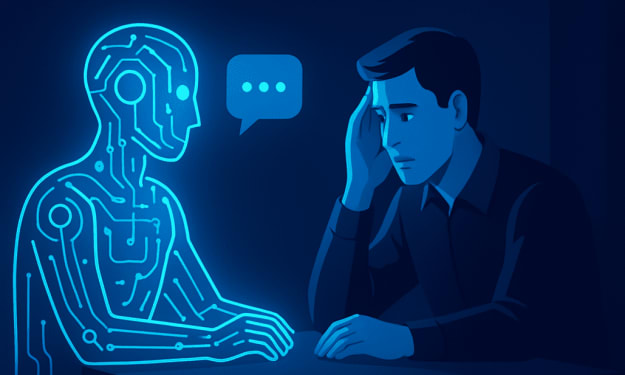
Use Technology Wisely – Gen Z can harness digital tools for mental health instead of letting devices dictate stress. Apps that remind users to breathe, journal, or meditate can keep routines consistent. Innovations in Future mental health and even AI therapy provide additional options, making support more accessible.
Set Social Media Boundaries – Boundaries are crucial. Limiting screen time, muting harmful accounts, or avoiding apps in the morning can preserve mental energy. Rather than quitting social media, the goal is mindful use that enhances rather than drains well-being.
Practice Mindfulness – Mindfulness doesn’t mean hours of silence. It can be noticing your surroundings during a walk, paying attention while eating, or doing a one-minute breathing exercise. These small acts help ground the mind in the present moment, reduce anxiety, and sharpen focus.
Common Challenges and Solutions
No Time – Busy schedules make mental health seem like a luxury. But micro-practices—two minutes of breathing, jotting down one thought, or stretching while waiting—fit anywhere. Blending them into daily tasks makes them sustainable.
Low Motivation – Routines sometimes feel like chores. Pairing them with enjoyable activities, such as journaling with calming music or walking while listening to a podcast, makes them easier to maintain. Accountability from friends or peers also boosts motivation.
Information Overload – The internet offers endless advice, but too much can paralyse. Instead of trying everything, pick one or two simple practices. Reliable sources, like trusted professionals or mental health awareness campaigns, cut through the noise and provide direction.
Tools and Resources for Gen Z
Mental Health Apps – Journaling trackers, meditation guides, and reminder tools help keep routines consistent. Exploring Future mental health developments and experimenting with AI therapy highlight how technology is reshaping self-care.
Online Communities – Safe spaces online allow sharing experiences, encouragement, and coping strategies. They create belonging, reduce stigma, and help Gen Z see they’re not alone in their struggles. Peer support often makes the journey feel lighter.
Professional Support – While self-help is useful, professional care is irreplaceable for deeper struggles. Online therapy, hotlines, and telehealth options make help more accessible and less intimidating. Seeking help early prevents problems from growing bigger and shows strength, not weakness.
Tips for Sustaining Habits
Track Progress – Journals or apps can show improvements, even in small areas like mood shifts or focus. This creates motivation and highlights growth.
Celebrate Wins – Recognising small successes keeps momentum alive. Simple rewards, like taking a break or enjoying a treat, reinforce positive behaviour.
Stay Flexible – Life changes quickly. Adjusting routines instead of rigidly clinging to them ensures sustainability. Adaptability keeps mental health practices realistic and long-term.
Conclusion
Integrating mental health into daily routines is not just useful—it’s essential for Gen Z. With small, steady habits, mindful tech use, and flexible routines, challenges become more manageable, resilience grows, and well-being strengthens. Over time, these efforts shape not only healthier individuals but also stronger communities. Author Name: Mr. Ali
Mental health integration, Gen Z mental health, daily mental health habits, mindfulness practices for Gen Z, stress management strategies, building resilience in Gen Z, mental health routines, digital well-being tips, mindfulness and productivity, mental health apps for Gen Z, social media boundaries, future mental health, AI therapy tools, coping with stress in Gen Z, and mental health awareness in 2025.
About the Creator
Keep reading
More stories from Sabz Ali Khan and writers in Education and other communities.
AI Chatbots vs. Humans: The Future of Mental Health Care
By Mr. Ali Introduction—The Digital Therapist Arrives The night is hot, the streets are humming, and somewhere between neon-lit promises and half-broken dreams, a new beast slouches onto the stage: AI Therapy. A strange cocktail of silicon brains and algorithms now claims to soothe your soul. The question twisting in the smoke-filled air: AI Therapy: Can Chatbots Replace Human Counsellors? Or are we strapping ourselves to a mechanical therapist with no heartbeat, no scars, and no trembling voice when we confess our darkness?
By Sabz Ali Khan7 months ago in Education
Professional Development and Market Trends: Staying Informed for Long-Term Career Growth
Success in today’s professional world depends on knowledge and awareness. Industries change quickly because technology, business models, and customer needs evolve every year. Professionals who want to remain competitive must stay up to date with new information. One effective way to stay prepared is by following professional development and market trends. This approach helps individuals understand where their industry is heading. It also helps them improve their skills and adapt to change. When professionals stay informed, they make smarter decisions and handle challenges with confidence. Learning about market changes also helps workers see new opportunities. Instead of reacting to change, they prepare for it in advance. Many companies value employees who actively study trends and develop new skills. These individuals often become leaders and trusted experts in their fields. Continuous awareness and learning create a strong foundation for long-term career growth and professional success.
By Stacey Yimabout 17 hours ago in Education
Why the Sun’s Core Is Hotter Than Its Surface: The Science Behind the Sun’s Extreme Temperatures
Introduction: A Cosmic Mystery in the Sky Every day, the Sun rises and lights up our world. It warms the oceans, powers plants through photosynthesis, and drives Earth’s climate system. Yet behind this familiar glow lies one of the most fascinating mysteries of astrophysics: the Sun’s core is far hotter than its surface.
By shahkar jalalabout 22 hours ago in Education



Comments
There are no comments for this story
Be the first to respond and start the conversation.