
Mental Health: A Comprehensive Perspective
Marking the Need for Mental Health for a Healthier Society
Introduction
Mental health is an essential dimension of human health, although often it is neglected, making it difficult to integrate with the majority of things related to health, education, and other policy discussions now. However, society's awareness is increasing, and it is beginning to be understood that mental health is not merely the absence of mental illness. Its understanding encompasses a complex interplay among emotional, psychological, and social domains, which affects people of all ages and communities. Unfortunately, since stigma tends to inhibit help-seeking behavious for most affected individuals, it further creates these conditions to be more chronic. This paper tries to speak about the multidimensionality of mental health, the personal and societal impacts, and the demands of ailments in a holistic setting: such means of mutual understanding, compassion, and, thus, effective support systems actually reflect the conviction that mental health is highly essential for human life.
Definition and Importance of Mental Health
Understanding what mental health encompasses and its importance is of utmost importance as it is a precursor for the promotion of wholesome well-being and societal advancement. Mental health refers to an individual's well-being in terms of cognitive and feeling, influencing behavior, and how an individual thinks, feels, and acts. It determines how people cope with stress, interact with others, and make decisions. Shocking statistics make it clear how necessary mental health is; for instance, in the US, the second most common cause of death for youngsters is suicide. This evolution in the developed world, as the developing one-for instance, Togo is still under data and resources for mental health. There arises a need for research and policy initiatives that develop risk groups in the mental health preventive area globally.
Impacts of Mental Health on Day-to-Day Activities
What you read is incomplete because mental health does come into the daily life of an individual; it cuts across communities as well. Productivity loss and disruptions in social life and quality of life itself go under issues cases like anxiety or depression. Widespread isolation and stress during this pandemic-induced atmosphere led to a universal deterioration in mental well-being regardless of demographic categories. All studies mentioned deep issues in quality of life, hence the call for holistic support structures that test the value realized in mental health interventions, resilience, and improvements in the quality of life for individuals and communities. Awareness and targeted approaches will go a long way in reducing the day-to-day phenomenological impacts.
Effects on Relationships and Social Interactions
Mental well-being is critical in shaping relationships and social participation, especially for vulnerable groups like children. Longitudinal studies have shown that children with social-emotional issues may experience lifelong difficulties in creating and maintaining relationships. These problems can severely constrain the development of the social competence components, such as cooperation and adaptation. In addition to these, isolation during the COVID-19 pandemic caused many prior mental health problems in children, thereby necessitating solutions for attaining skills in the area of social relationships. Proactive mental health intervention does create environments that encourage good social relationships and, eventually, positive personal and community outcomes.
Mental Health Awareness and Stigma
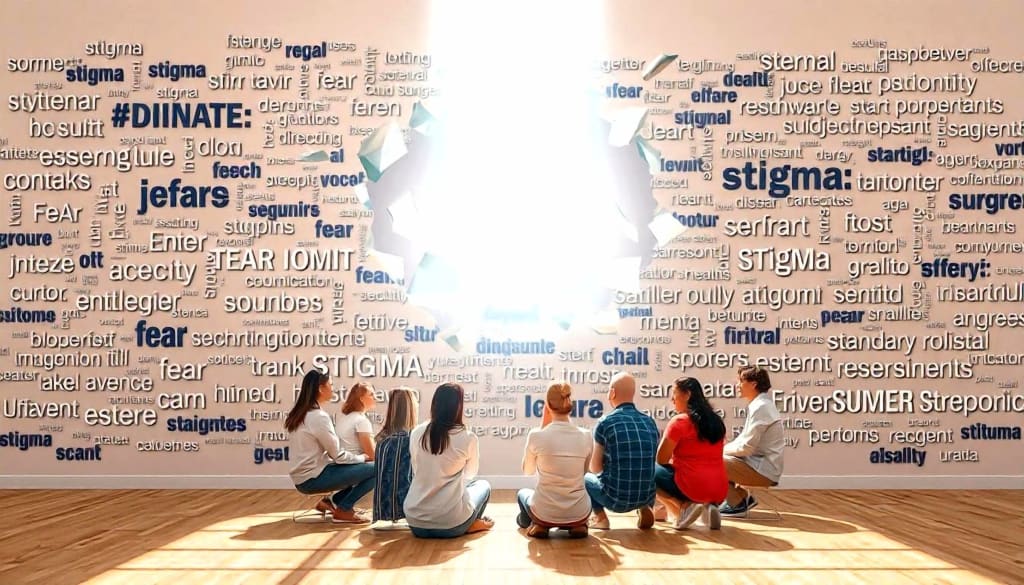
Stigma can be a huge barrier in mental health care for help-seeking individuals who continue suffering. Education to change stigma could improve awareness while encouraging them to seek care without fear of being judged. Creative approaches, like drama and storytelling, can create empathy and challenge stereotypes of mental illness in society. These approaches build closer ties and create awareness, and are meant to reduce stigma and elicit more people to seek prompt assistance. Advocacy for creative and educational engagement is crucial to act against stereotypes and increase mental health outcomes.
The Role of Education in Reducing Stigma
Education, in all its forms, is a very effective tool that helps change people's attitudes toward mental health. Such education would normalize discussions about mental well-being and reduce stigma through schools and universities. Specific interventions can be created for students and faculty to provide an environment that allows open discussions about mental health issues. Trained educators in effective communication strategies can make the connection between the issues that students are facing and the resources available. This is not only an issue affecting the educator but also the healthcare professional who must undergo comprehensive anti-stigma training to strengthen the foundations of empathetic care. Transforming attitudes in educational initiatives helps to create more inclusive environments that facilitate the discussion of mental health-related issues without prejudice
.The Societal Significance of Prioritising Mental Health
Putting mental well-being above all appears to be the need for the hour for developing a normatively productive circle among society itself. It develops efficiency in one's workplace, contributes to social coherence, and maximizes one's life experience. But global as well as local issues such as economic recession and pandemics create scenarios conducive to the further spread of mental problems. Proactive measures will include the importance of reducing stigma and integrating mental health within the school and workplace. These initiatives make a more rounded emotional competency, development of resilience, and coping strategies ultimately enhancing individual and societal outcomes. Addressing mental health on a systematic level builds economic stability, creates compassionate cultures, and extends a brighter future to all.
Conclusio
There are inherent dimensions between mental health challenges and structural inequalities, such as disparity in income, housing instability, or forms of institutional discrimination. Such conditions have often aggravated mental illness among particularly vulnerable groups, like ethnic minority women, entering and going through crucial life stages. Culturally competent mental health care services are needed to address those specific challenges subtly but effectively with fairness in accessing services. Policy reforms in favor of equality, engagement, and accessibility are also vital for resilient communities. Comprehensive attention to mental health could, thus, mold a society in which well-being will be prioritized, stigma eradicated, and opportunities accorded for everyone to flourish.
About the Creator
Keep reading
More stories from Sabz Ali Khan and writers in Education and other communities.
mental health
Introduction Indeed, even though mental well-being is critical in the whole well-being scheme, most of the time this topic is left out when discussing aspects of health, education, and social policy. However, as awareness of mental health issues has progressed in society, it has increasingly emerged that mental health is much more than the absence of mental illness; it is much more complex, an emotional-psychosocial configuration, affecting individuals of all ages and human societies. Most importantly, the stigma related to mental illnesses keeps people from pursuing help when it is needed, adding to the chronicity or life-long status of these conditions. Mental health has different interpretations and even variants in culture and community regarding how people are perceived and health-seeking behavior practiced. This paper will discuss mental health in its multifacetedness and personal and societal effects and call for an approach that would ensure a holistic understanding, empathy, and support in effectiveness regarding intervention methods. This will substantiate the criticalness of mental health needs at the thicker end of the human experience.
By Sabz Ali Khanabout a year ago in Education
Top Website Monetization Platforms to Maximize Your Revenue in 2026
Website monetization platforms are tools that help website owners generate revenue from their traffic. These platforms support different monetization models, including programmatic advertising, affiliate marketing, sponsored content, and performance-based ads.
By Iryna Podliesna3 days ago in Education
Why ISO Certification Is Becoming a Business Standard for Companies in the UAE
Businesses in the UAE operate in a competitive environment. Clients expect reliability. Regulators expect compliance. International partners expect structured operations. Because of these expectations, companies are adopting management systems that improve how they operate.
By Umar Quality Jounal4 days ago in Education
Bomb Scare
It was 2027, and the world never thought it would happen. A missle hit the United States, but it wasn't where they had anticipated. A little town in the northeast was hit by a missile strike, they didn't know why, and they didn't know exactly where it hit, but they did know it was a coastal community, somewhere between Maine and Delaware.
By Gregory Payton2 days ago in Fiction


Comments (1)
wow