
Meditation Cosmic Energy of Lord Shiva
Lord Shiva the universe
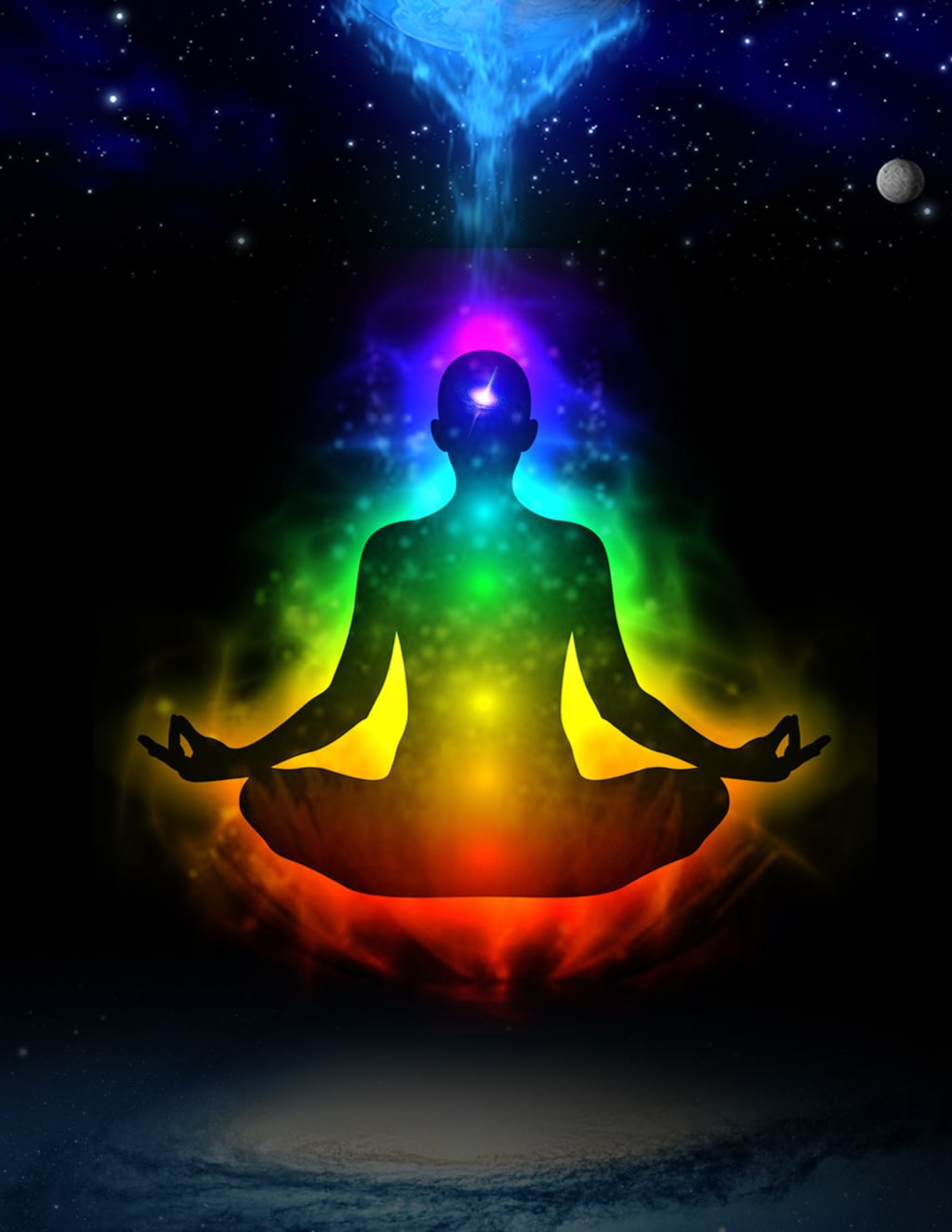
This is designed to guide you through the process of worshiping Shiva, including the various rituals, practices, and offerings that are typically used in his worship. Whether you are a beginner or an experienced practitioner, this guide will help you deepen your understanding of Shiva and develop a meaningful spiritual practices
Who is Shiva?
In this chapter, we will explore the origins and significance of Shiva in Hindu mythology. Shiva is known as the destroyer and transformer in the Hindu pantheon and is often depicted with a third eye, a crescent moon on his forehead, and a serpent around his neck. We will also examine the various forms and manifestations of Shiva and the symbolism behind them.
Preparation for Shiva Worship
Before beginning the worship of Shiva, it is essential to prepare oneself physically, mentally, and spiritually. This chapter will provide guidance on how to prepare for Shiva worship, including the importance of cleanliness, meditation, and setting intentions.
Shiva Worship Rituals
In this chapter, we will delve into the various rituals and practices involved in Shiva worship. We will explore the use of mantras, mudras, and offerings such as flowers, fruits, and sweets. We will also discuss the significance of various sacred items, such as the Shiva lingam, and the importance of performing worship rituals with sincerity and devotion.
Shiva Worship Meditation
Meditation is an essential aspect of Shiva worship and is believed to help practitioners connect with the divine. This chapter will provide guidance on how to practice meditation during Shiva worship, including the use of mantras, visualization, and breathing techniques.
Benefits of Shiva Worship
The worship of Shiva is believed to offer numerous benefits, including spiritual growth, mental clarity, and material prosperity. In this chapter, we will explore the many benefits of Shiva worship and how it can positively impact one's life and well-being.
Shiva in cosmic energy
Shiva is a powerful cosmic energy that is central to Hindu mythology and spiritual practice. He is known as the destroyer and transformer in the Hindu pantheon and is associated with the cycles of creation and destruction that are fundamental to the universe.
Shiva is often depicted as a yogi meditating in the Himalayas, surrounded by serpents and other symbols of power. His third eye is believed to represent his ability to see beyond the physical realm and into the spiritual and cosmic dimensions of existence.
As a cosmic energy, Shiva is believed to be present in all aspects of creation, from the smallest atoms to the vast expanses of space. He is the essence of consciousness, the driving force behind all change, and the source of all creativity.
Shiva is also associated with the Kundalini energy, which is believed to be a dormant force that lies coiled at the base of the spine in every human being. When awakened, the Kundalini energy rises through the chakras and awakens the spiritual consciousness, leading to enlightenment and union with the divine.
Shiva's cosmic energy is also expressed through the natural elements, such as fire, water, air, and earth. He is believed to be the embodiment of the fire element, which represents transformation and purification. The water element is associated with his consort, Parvati, who represents fertility and creation. The air element is associated with his son, Hanuman, who represents strength and agility. The earth element is associated with his mount, the bull, which represents stability and power.
Shiva's cosmic energy is also expressed through various forms of spiritual practice, such as yoga, meditation, and devotion. Practitioners of yoga and meditation seek to awaken the Kundalini energy and connect with the divine consciousness, while devotees offer prayers and worship to Shiva to seek his blessings and guidance.
In conclusion, Shiva's cosmic energy is a powerful force that is central to Hindu mythology and spiritual practice. As the embodiment of consciousness, transformation, and creativity, Shiva represents the essence of the universe and the potential for spiritual growth and enlightenment. Through various forms of practice and devotion, individuals can tap into Shiva's cosmic energy and connect with the divine consciousness that lies within.
Conclusion
In conclusion, the worship of Shiva is an ancient and powerful spiritual practice that has the potential to bring immense blessings and spiritual growth. By following the guidance provided in this ebook, you can deepen your understanding of Shiva and develop a meaningful spiritual practice that can transform your life.
The ancient spiritual traditions of Hindus are a rich and diverse collection of beliefs and practices that have evolved over thousands of years. Hinduism is often considered one of the oldest religions in the world, and its spiritual traditions have deeply influenced the culture and society of India and other parts of South Asia.
At the heart of Hinduism is the concept of Brahman, the ultimate reality that encompasses all of existence. This reality is believed to be expressed in various forms and deities, such as Vishnu, Shiva, and the goddess Durga, and is worshipped through elaborate rituals and ceremonies.
Hindu spiritual practices also include yoga, meditation, and the study of sacred texts such as the Vedas, the Upanishads, and the Bhagavad Gita. These texts offer guidance on how to live a virtuous life and achieve spiritual enlightenment.
One of the unique features of Hinduism is its openness to diversity and the concept of karma, which holds that a person's actions in this life will determine their future lives. This has led to the development of various paths to spiritual liberation, including bhakti (devotion), karma (action), and jnana (knowledge).
Today, Hinduism continues to be a vibrant and influential spiritual tradition, with millions of followers around the world. Its rich history and philosophy offer valuable insights into the nature of existence and the human experience.
Worshiping Shiva is an ancient spiritual practice that has been a part of Hindu tradition for thousands of years. Shiva is considered one of the most powerful and benevolent deities in the Hindu pantheon, and his worship is believed to bring blessings, prosperity, and spiritual fulfillment.
About the Creator
This is what happens in your brain when you can't recall and word
You’re sure you know your third grade teacher’s name— it’s like you’re hovering over it in your mind, but it just won’t materialize. Researchers call this tantalizing torment a “tip-of-the-tongue state,” and it's something everyone experiences. But what's actually happening when a word gets caught here? And how can you best get it unstuck? Most of the time, our brains seamlessly summon words from vast stores of knowledge, paring their meaning and sounds, and stringing them into sentences.
By Munesh Yadav3 days ago in Education
Building Stronger Schools Through Student Mental Health Support
Schools across the United States face a growing responsibility to support students with anxiety and depression. Academic pressure, social media influence, family stress, and uncertainty about the future affect students at younger ages than ever before. Therefore, schools must recognize that mental health directly shapes learning outcomes, behavior, and long-term well-being. When students feel emotionally supported, they engage more fully in class and build stronger relationships. As a result, mental health care should stand alongside academic instruction as a core school priority.
By Martin Karpabout 12 hours ago in Education



Comments
There are no comments for this story
Be the first to respond and start the conversation.