
Masturbation: A Social Taboo Explained
My Journey from Shame to Understanding

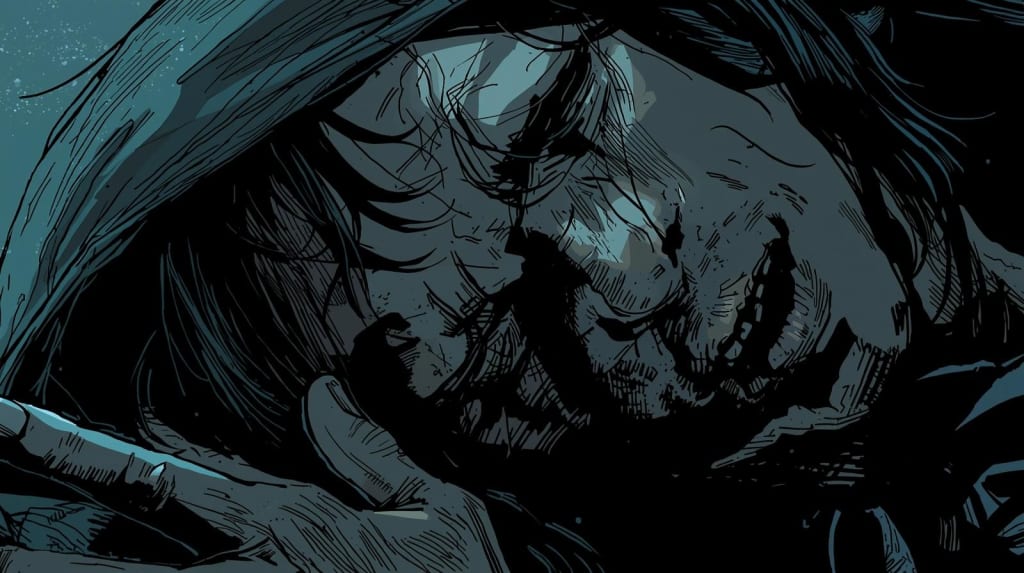
My first encounter with the concept of masturbation wasn't in a health class or a conversation with my parents. It was in the hushed, giggling tones of the school locker room when I was twelve. A word was whispered—"jerk-off"—laced with so much contempt that it instantly felt dirty, shameful, something only the "weird" kids did. That single moment planted a seed in my mind: this natural part of human development was a secret to be kept, a mark of disgrace.
For years, this unspoken rule governed my private life. It created a confusing duality. In biology class, I learned about the human body as a beautiful, functional system. But this one function, this innate urge, was wrapped in a cloak of darkness. It was the "sin of Onan" from a religious pamphlet I’d stumbled upon. It was the butt of a joke in a movie, used to emasculate a character. It was absolutely never, ever discussed in a healthy, normalizing way.
The taboo wasn't just about not talking about it; it was the specific flavor of the silence. It was a silence of snickering immaturity or one of stern, moral judgment. There was no silence of simple acceptance. This void was filled by my own anxiety. Every time I engaged in the act, a wave of guilt would immediately follow. I’d make promises to myself to never do it again, seeing it as a failure of willpower, a perversion I couldn't control. I felt isolated, believing I was the only one struggling with this "shameful" secret, while everyone else was somehow morally superior or simply not plagued by the same base instincts.
The turning point came in my late teens, not from a dramatic event, but from a quiet, intellectual rebellion. I was tired of feeling broken. I started to read. I ventured beyond the whispered myths and sought out real information from psychology books, reputable health websites, and candid articles by sex educators.
I discovered a fundamental truth that shattered my years of shame: masturbation is biologically normal. It’s a universal aspect of human sexuality, experienced by the vast majority of people. Our bodies are wired for pleasure. It’s a way to learn about your own body, understand what feels good, and release sexual tension. In my desperate search for answers, I found a single sentence that changed everything: "It is a normal part of childhood and adolescent development, and it continues for most people throughout their adult lives."
The problem wasn't the act itself. The problem was the taboo—the cultural, religious, and social stigma we had built around it. This stigma, I realized, served little purpose other than to:
Create Shame: By making something natural into a forbidden secret, we attach a powerful sense of shame to it. This shame can be deeply damaging to one's self-esteem and body image.
Hinder Education: Because we don't talk about it openly, young people don't learn about it in a healthy context. They learn from pornography, which presents a distorted, performance-driven fantasy, or from misinformed peers, perpetuating the cycle of myth and shame.
Prevent Healthy Conversations: This taboo makes it impossible to have a balanced discussion about what unhealthy masturbation looks like—when it becomes compulsive, interferes with daily life, or is paired exclusively with harmful pornography. We can't address the potential downsides because we're still refusing to acknowledge the act itself as neutral.
Armed with this knowledge, my internal world began to shift. The act itself didn't change, but my perception of it did. The guilt lost its power. I was no longer a "sinner" or a "pervert"; I was simply a human being with a human body. I had reframed the narrative from one of moral failure to one of biological reality.
This journey taught me a broader lesson about taboos. They are often not about protecting us, but about controlling us through ignorance and shame. Breaking a taboo isn't about being rebellious; it's about seeking the truth that lies buried beneath layers of cultural baggage.
I’m not advocating for shouting about masturbation from the rooftops. Privacy is still valuable. But I am advocating for the death of the shame that surrounds it. I wish I could go back and tell my twelve-year-old self, hiding in the locker room, that he wasn't dirty or weird. I would tell him that his body is not a battlefield of sin and virtue, but a natural, amazing thing, and that understanding it is a sign of health, not a mark of disgrace.
The real freedom didn't come from the act itself, but from dismantling the prison of the taboo that surrounded it. By speaking the truth to myself, I turned on a light in a room that had been dark for far too long, and I realized there was never any monster there at all.
Moral of the Story:
The shame surrounding masturbation is a learned social construct, not a reflection of inherent wrongness. Replacing misinformation with biological facts and self-compassion is the key to dismantling the taboo and achieving a healthy self-perception.
About the Creator
The 9x Fawdi
Dark Science Of Society — welcome to The 9x Fawdi’s world.
Reader insights
Outstanding
Excellent work. Looking forward to reading more!
Top insights
Compelling and original writing
Creative use of language & vocab
Easy to read and follow
Well-structured & engaging content
Excellent storytelling
Original narrative & well developed characters
Expert insights and opinions
Arguments were carefully researched and presented
Eye opening
Niche topic & fresh perspectives
Heartfelt and relatable
The story invoked strong personal emotions
Masterful proofreading
Zero grammar & spelling mistakes
On-point and relevant
Writing reflected the title & theme
Keep reading
More stories from The 9x Fawdi and writers in Education and other communities.
My Brain's Stand-Up Routine
My brain is a wonderful organ. It starts working the moment I wake up and does not stop until I am formally presented with a problem. For instance, it just spent twenty minutes trying to remember the name of that actor from that movie, you know, the one with the face? But the moment I need to calculate a 20% tip, it suddenly develops a mysterious and profound need to contemplate the vastness of the universe.
By The 9x Fawdi5 months ago in Education
7 Online Skills That Can Change Your Financial Future in 2026
7 Online Skills That Can Change Your Financial Future In today’s digital world, one skill can completely transform your life. Just a decade ago, making money online sounded unrealistic to many people. Today, thousands of people are building careers, businesses, and even financial freedom using only their laptops and internet connections. The truth is simple: the internet has created opportunities that never existed before. But the biggest mistake most people make is waiting for the “perfect moment” to start learning. The reality is that learning just one valuable online skill can open doors to income streams you never imagined. Here are seven powerful online skills that can truly change your financial future. 1. Content Writing Content writing is one of the easiest online skills to start with. Every website, blog, and online business needs high-quality content to attract readers and customers. If you can write helpful, interesting, or informative articles, you already have the foundation for this skill. Content writers earn money by writing: Blog posts Website content Product descriptions News articles Platforms like freelance marketplaces, blogging websites, and digital publications are always looking for good writers. With practice, many writers turn this skill into a full-time career. 2. Graphic Design In the online world, visuals matter. Businesses need logos, social media graphics, advertisements, and brand designs to attract attention. Graphic design allows creative people to turn their imagination into income. Even beginners can start by learning simple tools and gradually improving their skills. Graphic designers can work with: Small businesses Online brands Content creators Marketing agencies A single well-designed logo or brand package can sometimes earn more than weeks of traditional work. 3. Video Editing Video is the most powerful form of content on the internet today. From social media platforms to online courses, videos dominate the digital world. But most creators don’t have the time or skill to edit their own videos. This is where video editors come in. If you learn how to cut clips, add music, create smooth transitions, and improve video quality, you can become extremely valuable. Video editors are needed by: YouTubers Businesses Online educators Social media influencers The demand for video editing continues to grow every year. 4. Social Media Management Millions of businesses rely on social media to reach customers. But many business owners don’t know how to grow their pages, create content, or engage with their audience. Social media managers help brands: Plan content Post regularly Respond to followers Grow their audience With the right strategy, social media managers can manage multiple accounts and earn steady monthly income. This skill combines creativity with marketing knowledge, making it highly valuable. 5. Digital Marketing Digital marketing is one of the most powerful online skills you can learn. It involves promoting products, services, or brands through online channels such as search engines, social media, and email. Digital marketers help businesses get: More website visitors More customers More sales Companies are willing to pay well for people who can increase their revenue. Learning digital marketing can open doors to freelance work, remote jobs, or even your own online business. 6. Web Development Every business needs a website. But building a professional website requires technical skills. Web developers create and maintain websites using coding languages and development tools. Although this skill takes more time to learn than others on this list, it is also one of the highest-paying online skills. Many web developers work remotely and build websites for clients all around the world. Once you gain experience, the opportunities become endless. 7. AI Content Creation Artificial intelligence is rapidly changing the online world. Many creators and businesses now use AI tools to produce content faster and more efficiently. AI content creators use technology to generate: Articles Images Videos Marketing content People who understand how to use AI tools effectively have a huge advantage in the modern digital economy. Instead of replacing creativity, AI often amplifies it. Those who learn how to combine creativity with technology will be ahead of the curve. Final Thoughts The internet has made it possible for anyone, anywhere in the world, to build valuable skills and create new income opportunities. But knowledge alone is not enough. The real difference comes from taking action. Pick one skill from this list and start learning today. Practice consistently. Improve a little every day. Over time, that single skill could become the foundation of a completely different financial future. Because sometimes, all it takes is one skill to change everything.
By Baseer Shaheen 7 days ago in Education


Comments (1)
While I look over various submissions in the topics I feel that I know most about (Education, Viva, Earth, and some others) I rarely see an article like yours (this one) that is especially relevant and useful. This article really reaches out to the younger people and even touches some older people (like me) who know that you are expressing a valid and universal truth. For all those who read and don't say thank you, I am saying "Thank you Very Much" for being brave and honest and including this contribution in the Education section where it is needed. You expressed it sensitively and truthfully.