
Mastering the Art of Writing: Understanding and Overcoming Dysgraphia
Dysgraphia
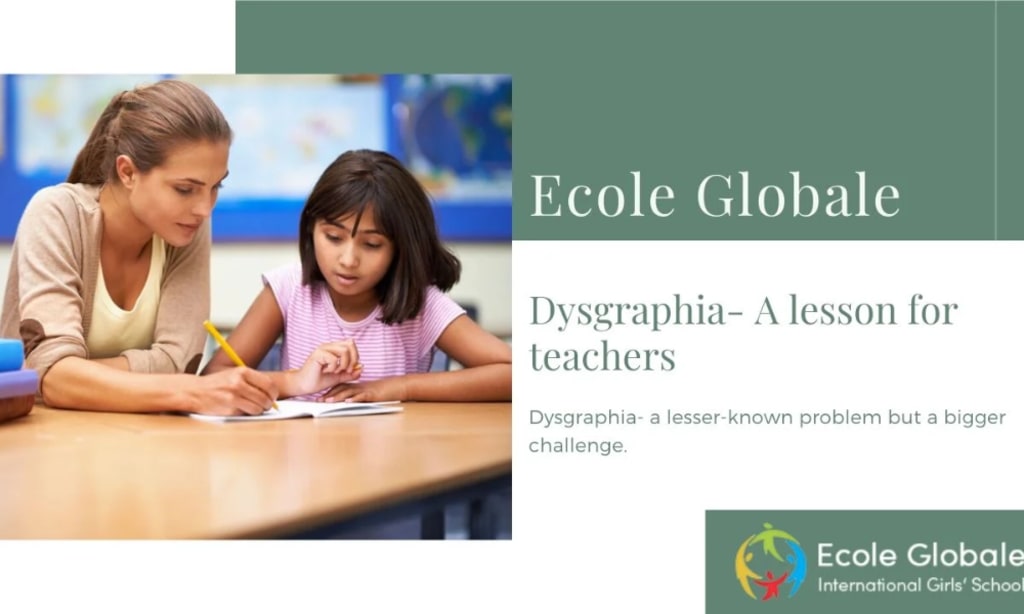
Dysgraphia is a complex and often misunderstood neurological condition that affects a person's ability to write. This learning disability can have a significant impact on an individual's academic and professional success, yet it remains a relatively unknown challenge for many. In this comprehensive article, we will delve into the intricacies of dysgraphia, explore its causes, symptoms, and diagnosis, and provide practical strategies to help individuals with dysgraphia thrive in their writing endeavors.
What is Dysgraphia?
Dysgraphia is a neurological disorder that primarily impacts an individual's ability to produce written language. It is characterized by difficulties in handwriting, spelling, and the mechanical aspects of writing, such as letter formation, spacing, and the flow of written expression.
Unlike other learning disabilities that may affect reading or language comprehension, dysgraphia specifically targets the motor and sensory skills required for written communication.
Individuals with dysgraphia often struggle with tasks that involve fine motor skills, such as holding a pencil, forming letters, and maintaining consistent spacing and size.
This can lead to messy, illegible handwriting and difficulty expressing their thoughts and ideas in written form. Additionally, individuals with dysgraphia may experience challenges with spelling, as the connection between the motor and language systems can be impaired.
Causes and Risk Factors of Dysgraphia
The exact causes of dysgraphia are not fully understood, but research suggests that it is often the result of a combination of genetic, neurological, and developmental factors.
Dysgraphia may be associated with other learning disabilities, such as dyslexia or ADHD, and it can also occur independently.
Some of the risk factors for developing dysgraphia include:
Genetic predisposition: Individuals with a family history of dysgraphia or other learning disabilities may be more susceptible to developing the condition.
Neurological differences: Structural or functional differences in the brain's motor cortex or other areas responsible for language and motor skills may contribute to the development of dysgraphia.
Developmental delays: Delays in the development of fine motor skills, visual-motor integration, or language processing can increase the risk of dysgraphia.
Underlying medical conditions: Certain medical conditions, such as cerebral palsy or developmental coordination disorder, may be associated with dysgraphia.
Symptoms and Diagnosis of Dysgraphia
The symptoms of dysgraphia can vary widely from individual to individual, but some common signs include:
- Messy, illegible handwriting
- Difficulty forming letters and numbers correctly
- Inconsistent letter size and spacing
- Slow, laborious writing process
- Poor spelling and grammar
- Difficulty organizing thoughts and ideas on paper
Avoidance of writing tasks
To diagnose dysgraphia, a comprehensive evaluation by a qualified professional, such as an occupational therapist or educational psychologist, is typically required. This evaluation may involve a range of assessments, including:
- Motor skills and coordination assessments
- Handwriting and written expression evaluations
- Cognitive and language assessments
Observation of the individual's writing performance
Early identification and intervention are crucial for individuals with dysgraphia, as they can help mitigate the impact of the condition and develop effective coping strategies.
Strategies for Managing Dysgraphia
Fortunately, there are a variety of strategies and interventions that can help individuals with dysgraphia improve their writing skills and overcome the challenges they face. Some of these strategies include:
Occupational Therapy and Physical Therapy
Occupational therapists and physical therapists can work with individuals with dysgraphia to improve their fine motor skills, hand-eye coordination, and muscle control. They may use a range of activities and exercises to strengthen the muscles used in writing and improve the individual's overall motor planning and execution.
Accommodations and Assistive Technology
Individuals with dysgraphia may be eligible for various accommodations and assistive technologies to support their writing needs. These may include the use of computers, voice-to-text software, ergonomic writing tools, and extended time for written assignments.
Multi-Sensory Instruction
Incorporating multi-sensory techniques into the learning process can be highly beneficial for individuals with dysgraphia. This may involve using a combination of visual, auditory, and kinesthetic approaches to reinforce the connection between the motor and language systems.
Explicit Instruction in Handwriting and Spelling
Direct instruction in handwriting, letter formation, and spelling strategies can help individuals with dysgraphia develop these essential skills. This may include practicing proper pencil grip, letter shapes, and spelling patterns.
Strategies for Organizing and Expressing Ideas
Individuals with dysgraphia may benefit from learning strategies for organizing their thoughts and ideas before writing, such as using graphic organizers, outlines, or voice-to-text tools. This can help them overcome the challenges of translating their thoughts into written form.
By implementing a comprehensive, multifaceted approach to managing dysgraphia, individuals can develop the necessary skills and strategies to succeed in their academic, professional, and personal writing endeavors.
Conclusion
Dysgraphia is a complex and often misunderstood learning disability that can have a profound impact on an individual's ability to express themselves through written language. However, with the right support, accommodations, and interventions, individuals with dysgraphia can learn to overcome the challenges they face and thrive in their writing endeavors. By understanding the causes, symptoms, and available strategies for managing dysgraphia, we can empower individuals to reach their full potential and unlock the power of written communication.
About the Creator
Keep reading
More stories from Priyangini and writers in Education and other communities.
The Role of the Qualities of a Good Teacher in Shaping Future Generations
Good teachers have the power to transform lives. They inspire students, nurture their curiosity, and help them unlock their full potential. But what exactly makes a teacher great? Drawing insights from leading education experts and surveys of students, this article delves into the key qualities of a good teacher that define an exceptional educator.
By Priyangini about a year ago in Education
A Priceless Lesson in Lif
A Priceless Lesson in Life – Story No. 2641 Do not rush to judge anyone. Shazia Mubashir Once, there was a man who had four sons. He wished for his sons to learn an important lesson: never make hasty judgments about anyone or anything. He wanted them to understand that judging without experience and observation over time can lead to misunderstandings. To teach them this valuable lesson, the man devised a plan. He decided to send each son on a journey to observe a pear tree in a distant area.
By Sudais Zakwan2 days ago in Education
The Secret to Thriving Client-Consultant Relationships: Trust, Clarity, and Commitment
Strong client-consultant relationships are essential for delivering successful outcomes and sustaining long-term business growth. These partnerships are built on a foundation of shared purpose, open dialogue, and mutual respect. A consultant who can foster a deep connection with their client becomes more than just an external resource; they become a trusted partner in problem-solving and strategic growth.
By Nicole Metz7 days ago in Education



Comments (1)
I really love your content and how it's crafted , I love it and happily subscribed , you can check out my content and subscribe to me also , thanks for this beautiful one