
Mastering the Art of Trading: A Comprehensive Guide to Becoming a Great Trader
Basic Guide Trading
Introduction
Trading has the potential to provide large gains and provides a dynamic means of engaging with financial markets. But it takes more than just speculation to be a profitable trader. You will learn useful tips and techniques from this guide to help you become an expert trader.
Understanding Trading
What is Trading?
Buying and selling financial items like stocks, FX, commodities, or cryptocurrencies is known as trading. Making money from price changes within a predetermined time range is the goal.
Types of Trading: Stocks, Forex, Commodities, and Cryptocurrencies
Each trading market has unique characteristics:
Stocks: Buying and selling shares of companies.
Forex: Trading currencies in the global market.
Commodities: Trading physical goods like gold, oil, and agricultural products.
Cryptocurrencies: Trading digital assets like Bitcoin and Ethereum.
Setting Clear Trading Goals
Defining Your Goals
Establishing your objectives is essential before you begin trading. Do you want to accumulate wealth over the long term or just make quick money? Your trading plan and approach to risk management will be shaped by your objectives.
Realistic Expectations
Establish attainable objectives. Although significant profits might be achieved, it's crucial to realize that trading entails losses. A balanced and systematic approach should be maintained by avoiding irrational expectations.
Choosing Your Trading Style
Day Trading
Buying and selling assets inside the same trading day is known as day trading. Making decisions quickly and keeping an eye on the market is essential for this approach.
Swing Trading
Swing trading is the practice of capitalizing on short- to medium-term market trends by maintaining positions for a few days to weeks. While it takes less time than day trading, careful analysis is still necessary.
Position Trading
Position traders concentrate on long-term trends and maintain positions for months or even years. This approach is more in line with conventional investing and less stressful.
Creating a Solid Trading Plan
Importance of a Trading Plan
Your trading plan is your road map; it directs your choices and keeps you on track. It describes your approach, risk guidelines, and standards for evaluating performance.
Key Components of a Trading Plan
Goals: Define what you aim to achieve.
Risk Tolerance: Determine how much risk you're willing to take.
Entry and Exit Rules: Specify when to enter and exit trades.
Position Sizing: Decide how much capital to allocate per trade.
Educating Yourself
Resources for Learning: Books, Courses, and Online Platforms
You may invest in your education by reading trade books, signing up for classes, and attending webinars. Maintaining your competitive edge requires constant learning.
Staying Updated with Market News
Stay up to date on news and happenings in the market. News releases can shift market sentiment, so staying informed quickly is crucial.
Mastering Technical Analysis
Basics of Reading Charts
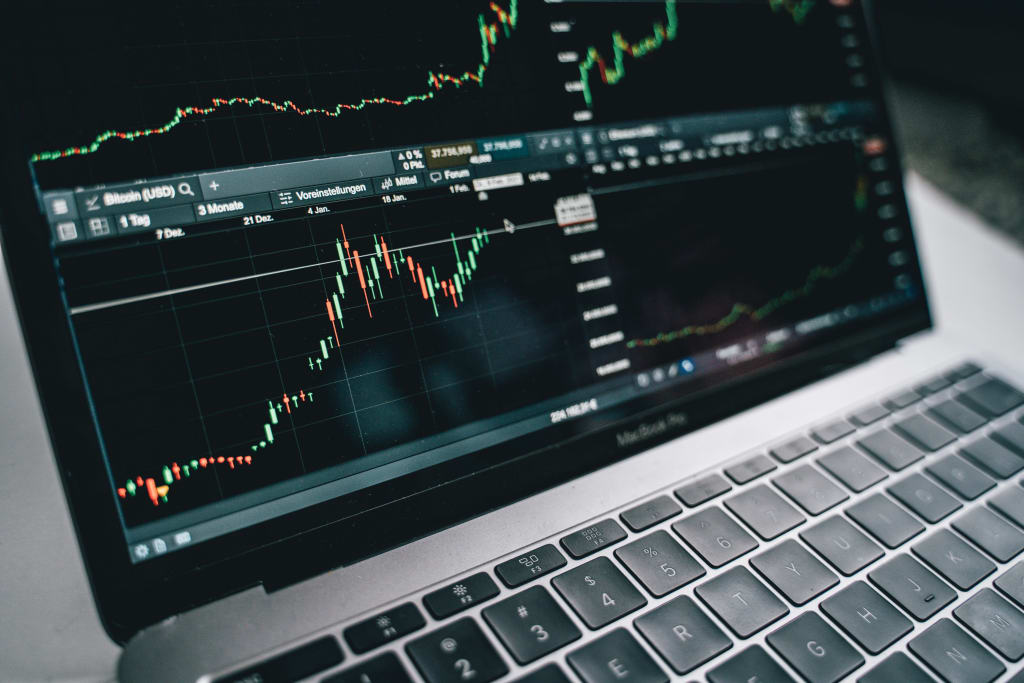
Charts are an essential trading tool. To comprehend market trends and price fluctuations, become proficient in reading several chart styles, including line, bar, and candlestick charts.
Understanding Indicators and Patterns
Learn about technical indicators such as MACD (moving average convergence and divergence) and RSI (relative strength index). Discover popular chart patterns such as Flags, Double Tops, and Head and Shoulders.
To Becoming Good Trader JOIN NOW
Fundamental Analysis
Evaluating Company Performance
Fundamental analysis for stock traders is evaluating the potential and health of a firm by looking at its financial accounts, including the cash flow, balance, and income statements.
Key Economic Indicators
Keep an eye on economic indices such as inflation, unemployment, and GDP growth rates. The prices of assets and market trends can be greatly impacted by these indicators.
Effective Risk Management
Setting Stop-Loss and Take-Profit Levels
In order to reduce possible losses, stop-loss orders automatically sell a position when it hits a specific price. Take-profit orders sell an investment whenever it reaches a predefined price, protecting profits.
Diversifying Your Portfolio
To lower risk, spread your investments among a variety of assets. Refrain from investing all of your money in a single transaction or asset.
Maintaining Emotional Discipline
Managing Stress and Emotions
It can be stressful to trade. Learn stress-reduction strategies and steer clear of rash choices. Having a pastime or engaging in mindfulness exercises can support emotional equilibrium.
Avoiding Psychological Pitfalls
Recognize common psychological biases including FOMO (fear of missing out), revenge trading, and overconfidence. Making sense decisions can be aided by your recognition of these.
Leveraging Trading Tools and Platforms
Selecting the Right Broker
Select a trustworthy broker with reasonable costs, dependable platforms, and excellent customer service. Make sure to do your homework and evaluate several brokers before choosing one.
Using Trading Software and Apps
Make use of sophisticated trading platforms that offer effective order execution, real-time data, and charting tools. You can also keep up with the markets by using mobile apps.
Practicing with Demo Accounts
Benefits of Paper Trading
They work great for familiarizing yourself with the trading interface and testing your techniques.
Transitioning to Live Trading
When you feel comfortable using your abilities, gradually make the switch to live trading. As you acquire more experience, gradually increase the initial capital.
Reviewing and Improving Your Trades
Keeping a Trading Journal
To spot trends and opportunities for development, go over your journal regularly.
Learning from Mistakes
Examine your unsuccessful trades to determine what went wrong. Errors are important teaching moments that allow you to improve your tactics.
Connecting with Other Traders
Joining Trading Communities
Engage in local trading clubs, social media organizations, and internet forums. Making connections with other traders can offer encouragement, knowledge, and fresh viewpoints.
Attending Seminars and Workshops
Attend trade seminars and workshops to network with like-minded people, pick the brains of industry professionals, and keep current on developments in the field.
Conclusion
Being a great trader takes commitment, lifelong learning, and a methodical approach. You can successfully traverse the markets by establishing clear objectives, creating a sound trading strategy, being proficient in both technical and fundamental analysis, efficiently managing risks, and exhibiting emotional restraint. Recall to practice frequently, keep educated, and absorb lessons from both your failures and achievements.
FAQs
1. What is the most important skill for a trader? Emotional self-control is a trader's most crucial talent. Long-term success in trading depends on your ability to control your emotions and adhere to your trading plan.
2. How much capital do I need to start trading? Different amounts of capital are required depending on the market and the kind of trade. A few thousand dollars can be enough for stocks, but a few hundred dollars is usually all you need to start trading FX.
3. How can I improve my trading strategies? To examine and analyze your trades, keep a trading journal. Keep learning by reading books, taking classes, and participating in trading groups.
4. What is the difference between technical and fundamental analysis? While fundamental analysis assesses the performance and financial soundness of assets, technical analysis employs price charts and indicators to forecast market movements.
5. Can I trade part-time? Yes, a lot of traders do well with part-time trading. Select a trading strategy that works with your schedule; swing trading, for example, takes less time than day trading.
To Becoming Good Trader JOIN NOW
About the Creator
Keep reading
More stories from writers in Education and other communities.
IQ Tests and the Human Mind: A Deeper Look
The human mind has fascinated scientists, philosophers, and educators for centuries. One of the most widely known tools for exploring human intelligence is the IQ test. Today, with easy access to an iq test free online, millions of people are discovering more about their cognitive abilities. But what do IQ tests really tell us about the human mind, and how should we interpret their results? Taking a deeper look reveals both the strengths and limitations of IQ testing in understanding intelligence.
By Fast Learner6 days ago in Education
A Letter to the Firestarter
Dear Firestarter, We can all see you, we've been watching you since you began. In case you didn't know we were here before you and we will be here after. We witnessed your rise, your setbacks, your guilt and your lies. We witnessed you start the fire.
By Donny Foley4 days ago in Poets



Comments (1)
Thanks for the analysis