
Mastering Full Stack Development: A Complete Guide to Building Dynamic Web Applications
Full Stack Development is a dynamic and fulfilling career that offers the ability to build comprehensive web applications.

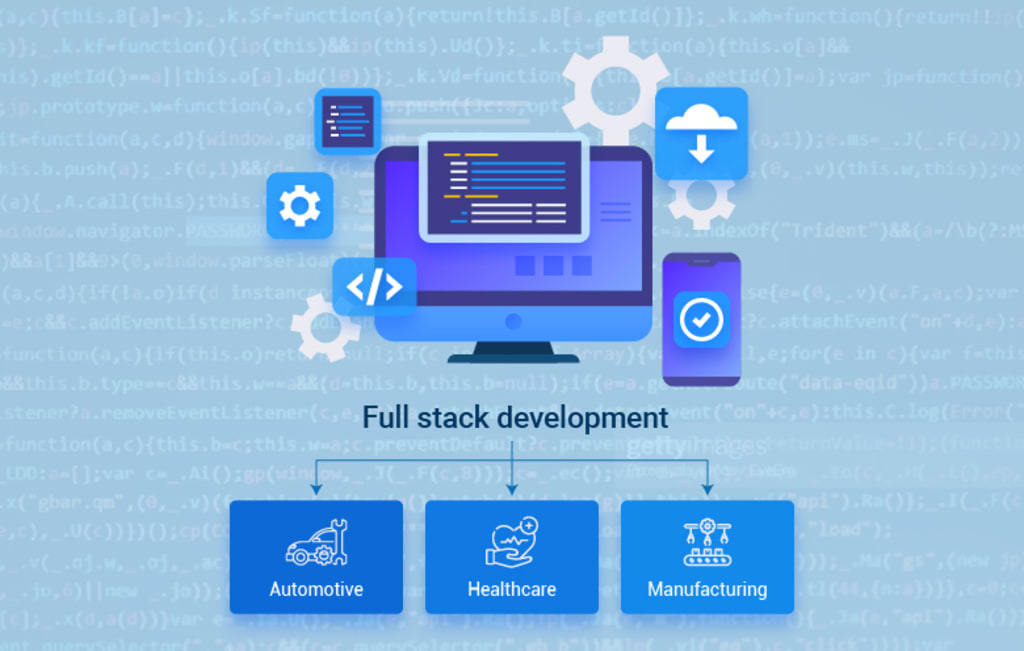
As the digital landscape continues to expand, Full Stack Developers are increasingly in demand. These versatile professionals possess the skills to handle both front-end and back-end development, enabling them to create fully functional and responsive web applications from start to finish. In a world where technology is constantly evolving, becoming proficient in Full Stack Development opens the door to numerous career opportunities and innovation. This article delves into the core principles of Full Stack Development, the technologies involved, potential career paths, and the steps to becoming a successful Full Stack Developer.
What is Full Stack Development?
The ability to construct a web application's client-side (front-end) and server-side (back-end) components is known as full stack development. A Full Stack Developer is skilled in both areas, allowing them to handle everything from the user interface to database management, server-side logic, and security.
Front-End Development
Front-end development focuses on creating the parts of a web application that users directly interact with. Key front-end technologies include:
HTML/CSS: The foundational languages for structuring and styling web pages.
JavaScript: A powerful scripting language that adds functionality and interactivity to websites.
Front-End Frameworks: Libraries such as React, Angular, and Vue.js that simplify the creation of dynamic user interfaces.
Back-End Development
Back-end development involves managing the server-side components, ensuring smooth communication between the browser and the database. Important back-end technologies include:
Server-Side Languages: Languages like Java, Python, PHP, and Node.js that handle application logic and functionality.
Databases: Tools like MySQL, MongoDB, and PostgreSQL that store and manage data.
APIs: Application Programming Interfaces (APIs) enable different parts of the application to communicate with each other.
The Role of a Full Stack Developer
Full Stack Developers are responsible for managing both the front-end and back-end of web applications, ensuring seamless user experiences. Their role includes:
UI/UX Design and Implementation: Building intuitive and responsive user interfaces.
Server-Side Development: Writing server logic, handling APIs, and ensuring data flows correctly.
Database Management: Executing CRUD operations (Create, Read, Update, Delete) and optimizing data management.
Version Control and Deployment: Utilizing tools like Git for tracking changes and managing application deployment in cloud environments like AWS.
Key Technologies in Full Stack Development
Front-End Technologies:
HTML5/CSS3: For structuring and styling web applications.
JavaScript: For adding interactivity and dynamic functionality.
React/Angular/Vue.js: JavaScript frameworks that simplify front-end development.
Back-End Technologies:
Node.js: A JavaScript runtime for building server-side applications.
Express.js: A fast and minimalist framework for Node.js.
Django/Flask: Python frameworks designed for back-end development.
Java Spring: A comprehensive framework for building Java-based back-end systems.
Database Solutions:
MySQL/PostgreSQL: Relational databases for managing structured data.
MongoDB: An unstructured data repository using NoSQL technology.
Redis: In-memory data storage for caching and real-time applications.
Version Control Tools:
Git: A collaborative version control system that monitors and facilitates code changes.
GitHub/GitLab: Platforms that host repositories and provide team collaboration tools.
DevOps Tools:
Docker: A containerization tool that ensures consistency across different environments.
Jenkins: A continuous integration and delivery tool that automates building and testing.
Career Opportunities for Full Stack Developers
Full Stack Developers are highly sought after by companies of all sizes due to their ability to handle multiple aspects of software development. Their versatility makes them ideal for a variety of roles, especially in environments where a small, efficient team is needed.
Potential Job Roles:
Full Stack Developer: Works across the front-end and back-end of web applications.
Front-End Developer: Specializes in building user interfaces.
Back-End Developer: Focuses on server-side logic and database management.
DevOps Engineer: Combines development and IT operations for seamless software deployment.
The demand for Full Stack Developers is projected to increase by more than 20% over the next few years. Salaries vary by location and experience, but entry-level developers can expect to earn around $60,000 annually, while seasoned professionals can make over $120,000 per year.
How to Become a Full Stack Developer
The path to becoming a Full Stack Developer can be broken down into several steps:
Learn Front-End Basics: Start with HTML, CSS, and JavaScript to build a strong foundation in front-end development.
Master a Back-End Language: Learn server-side programming languages such as Node.js, Python, or Java to handle back-end functionality.
Understand Databases: Gain experience with both SQL (MySQL, PostgreSQL) and NoSQL (MongoDB) databases.
Learn Version Control: Use Git to track code changes and manage projects efficiently.
Build Projects: Create full-stack applications that showcase your skills, from simple sites to complex web systems.
Stay Current: Continuously learn new frameworks and technologies to stay competitive in the field.
Engage with Communities: Join developer forums, contribute to open-source projects, and participate in coding challenges to improve your skills and network.
Common Challenges in Full Stack Development
While Full Stack Development is a promising career path, it comes with its own set of challenges:
Keeping Pace with New Technologies: The rapid evolution of tools and frameworks can make it difficult to stay updated.
Balancing Expertise: Excelling in both front-end and back-end development can be challenging, especially when projects demand high proficiency in both areas.
Time Management: Managing both sides of development can be time-consuming, particularly in complex projects.
Conclusion
Full Stack Development is a dynamic and fulfilling career that offers the ability to build comprehensive web applications. By mastering both front-end and back-end technologies, Full Stack Developers can create seamless user experiences and tackle a variety of complex challenges. With dedication and continuous learning, anyone can unlock the full potential of Full Stack Development and excel in the fast-evolving tech industry. For those looking to break into this field, a Full Stack Development course in Thane, Mumbai, Navi Mumbai, Delhi, Noida and other cities of India can be a great starting point to gain the necessary skills and expertise.
About the Creator
Keep reading
More stories from Purva Yadav and writers in Education and other communities.
Mastering Full Stack Development: Your Guide to Becoming a Well-Rounded Developer
In today’s rapidly evolving tech landscape, the demand for developers who can manage both front-end and back-end tasks is higher than ever. Known as full stack developers, these professionals possess a deep understanding of the entire web development process, making them invaluable in creating seamless, efficient applications. Whether you’re a newcomer to programming or a seasoned developer looking to expand your skill set, full stack development offers a dynamic and rewarding career path. This guide will explore the essentials of full stack development, the key skills required, and how to navigate your way to success in this field.
By Purva Yadavabout a year ago in Education
Learn Golf the Smart Way: A Clear Path for New Players
Golf is often seen as a demanding sport, but it does not have to be confusing or intimidating. Many people want to learn golf for fun, fitness, or social reasons, yet they feel unsure about where to start. The truth is that golf becomes enjoyable when you focus on the fundamentals and take steady steps forward. This article is designed to help new players understand the game in a practical, straightforward way, especially those seeking golf basics for beginners that are easy to follow and apply on the course.
By Dr. Shawn Keller2 days ago in Education




Comments
There are no comments for this story
Be the first to respond and start the conversation.