
Maneuvering the Heart of the Future
"There are people that take the Heart out of you...and there are those who put it back"... E. Dawid

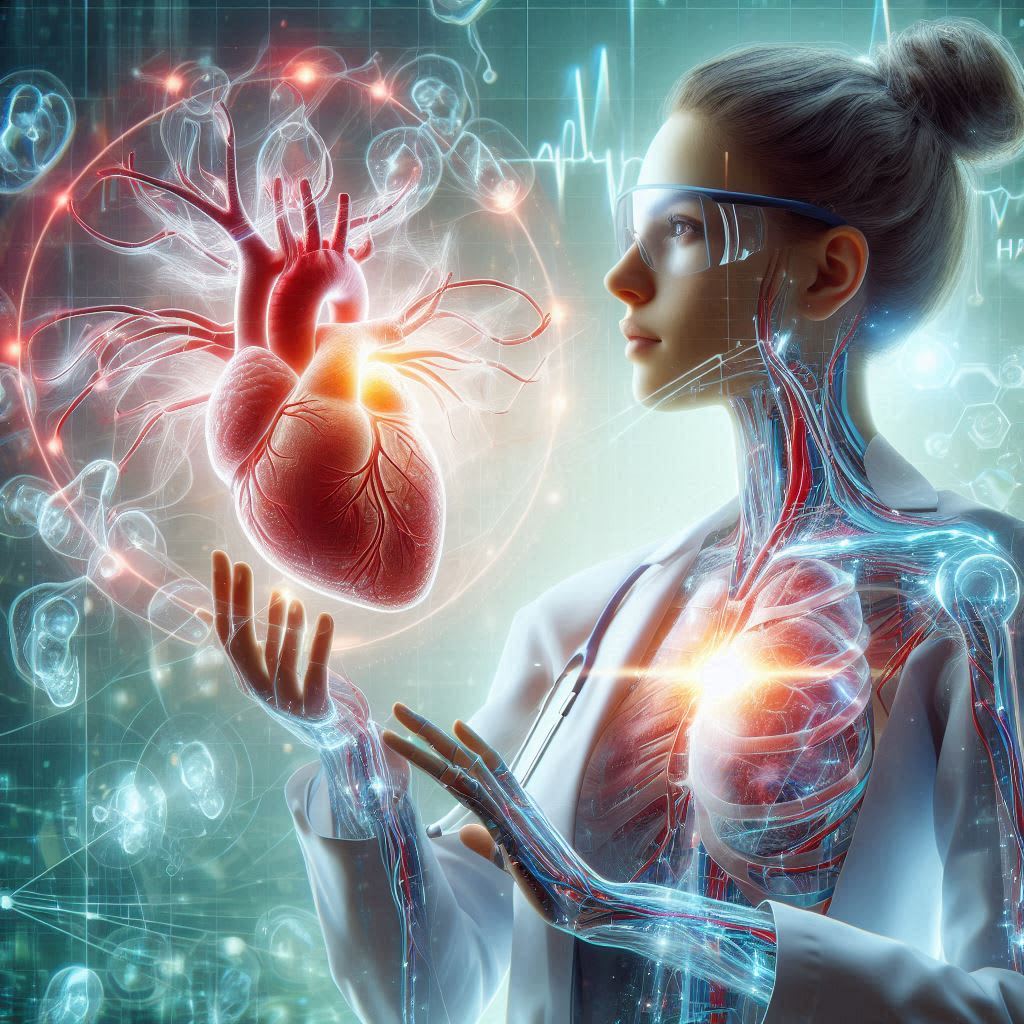
The heart is a complex and self-regulating function system. An adult mammal heart is about the size of one’s fist and is divided into four chambers i.e. Left Atrium, Right Atrium, Left Ventricle, and Right Ventricle. By contracting and relaxing it circulates blood with pressure throughout the body and thus transports nutrients to different parts of the body. Despite its resilience, more than 20 Million people have suffered Heart failure worldwide. The factors responsible for changes in its function can be due to diseases such as heart dysfunction, severe congenital heart disease, or bacterial/viral infections which are often quite incurable and lead to Heart failure. In this study, we intend to present the progress of Cardiac Tissue Engineering and Bioartificial Heart. For the last 20 years, Cardiac Cell Therapy has been based on regenerating the Heart based solely on the cell’s regenerative capacity. After the Clinical Trial, the procedure was safe to use but in terms of benefits, it was modest so the attention was transferred to generating new Bioartificial Heart by combining cells with regenerative capacity, proangiogenic growth factors, biological matrices, biocompatible synthetic polymers, and bioimplants which together all are known as tissue engineering. As it is a new complex technology, the heart dynamic requires a refined state-of-the-art tissue architecture, cellular components, and extracellular components.
The modification of human, animal, and plant cells or their parts or the development of new microorganisms is known as Biomedical Engineering. It is a familiar field closely related to Biotechnology and Genetic Engineering. This discipline aims to unite these two fields by applying the innovative skills of engineering to medical and biological sciences. It aims to advance in identifying, controlling, and treating Health Problems. As knowledge grew, it developed new techniques for expanding cell culture and harvesting. In 1999, William Haseltine laid its foundation by coining the term “Regenerative Medicine” after combining tissue engineering and cell transplantation with stem cell biology.
Regenerative Medicine seeks to heal or replace the organs and tissues that are damaged by age, trauma, diseases, or any other factor or to develop a biological substitute that restores and maintains normal function that is infected by the injection of functional cells into nonfunctional sites to stimulate regeneration or introduction of biocompatible materials to create new tissue or organ, so the two most fundamental components cells (Hormones and Growth Factors) and biomaterials (Scaffold) are important tools in regenerative medicine. It is anticipated to take around 20–30 years to realize the full potential of this emerging technology.
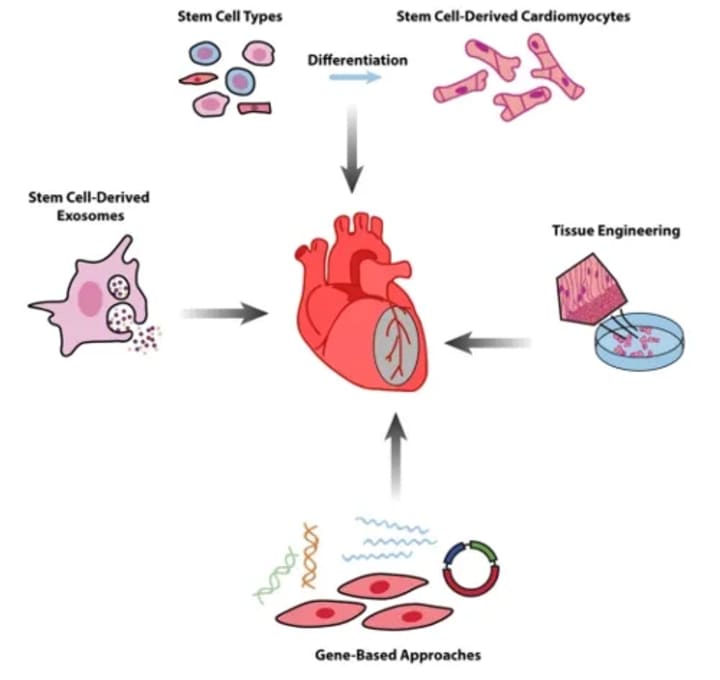
Stem Cells contain great potential for creating future therapeutics that can be used in tissue regeneration and repair because if properly regulated they can create and build every cell, tissue, and organ in the body. Two types of stem cells are Pluripotent Stem Cells which can be differentiated into all types of cells and Multipotent Stem Cells give rise to specific tissues of the body, so pluripotent stem cells eventually convert into any cells by differentiating into multipotent stem cells. Each stem cell contains unique qualities and advantages and depends on desired applications and outcomes. Recently Induce Pluripotent Stem Cells (iPSC) have been discovered in the field of research which reprogram adult cells such as blood and skin cells back to Pluripotent cells. This is achieved by introducing a specific gene into adult cells which regenerates their dominant pluripotent capabilities i.e. Convert into any type of cell. As this technology continues to expand it will greatly contribute to personalized medicine, disease remodeling, and regenerative therapies. In this context, a novel cell pool Mesodermal iPSC (MiPs) was derived from Human and Mouse Progenitors. It was formed by Fibroblast and Mesoangioblast-derived iPSCs. It is very crucial in cardiovascular medicine to transplant a pure Human Cardiomycte PSC population and less undifferentiated PSCs. No doubt it is an efficient approach to generating Cardiac Tissues and in addition, it is preferred by leading laboratories for investigating gene editing in CRISPR Cas9 Technology to successfully correct the allele that causes diseases because iPSC can be expandable.
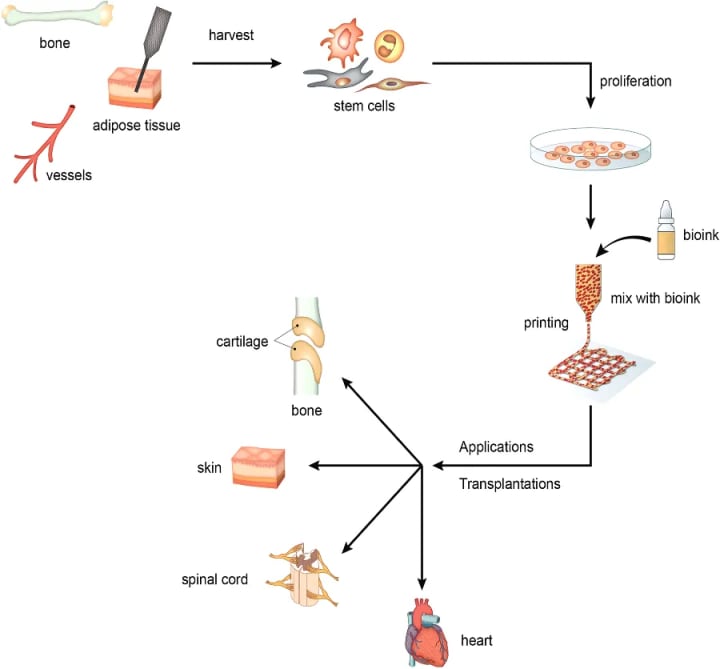
The technique of repairing tissue in situ using cells embedded in bioactive scaffolds has developed itself as one of the best techniques for the grafting and transplantation of the affected or damaged tissues. Scaffolds are especially useful during each stage of tissue formation though more critical during the formation of new tissue during the restoration process. These 3D printing scaffolds are made to have interconnected porosity that will support cell adhesion and movement through the channels created and consequently tissue formation. 3D Bioprinting is a type of 3D printing in which the powder particle is bound together with a solution known as inkjet that directs the printing process to fabricate a biological pattern using cells, biodegradable materials, and biomolecules. It is a similar technique to Selective Laser Sintering (SLS).
Over the last three decades, there are several techniques have been employed to regenerate and grow new tissues which has built up quite a fascinating library of methodologies. Today new technologies such as 3D Bioprinters and organoids are empowering laboratories worldwide to develop new techniques for functional implants. Treatment of incurable organs or tissues is costly and devastating every year around 8 million surgeries and procedures are performed to treat this disease in the US which annually costs around $400 billion. Thus, biomaterial scaffolds can act as structural support for any of the tissue’s structures including the reconstruction of blood vessels, skin tissue, bones, cartilage, and corneal tissues.
The process of building 3D scaffolds and culturing stem cells on these scaffolds enhanced the regenerative potential of stem cells in bone and cartilage injuries. The vast majority of tissues contain more than one type of cell and structures that consist of multiple layers. It is therefore necessary to have multi-layered 3D scaffolds in the process of constructing engineered tissues from stem cells. At present, 3D bioprinting has gained attention in the field for the development of multi-layered constructs. Indeed great development has been achieved in 3D Bioprinters based tissue engineering. Utilizing 3D bioprinting different types of cells can be placed in certain areas in multilayered constructs for building different tissues or organs. Bioprinting techniques include the use of inkjet and laser deposition.
Expected Results and Discussion
The successful construction of multi-layered cardiac tissues engineered with aligned cardiomyocytes and HUVECs is considered an important advancement towards the building of bioartificial hearts. However, several barriers and knowledge gaps have to be discussed to realize these findings in clinical practice. However, it remains questionable whether the constructed tissue would remain viable, functional, and stable under physiological conditions in the long run. Future research should involve transplanting the developed cardiac tissue in vivo and analyzing the viability and integration of the tissue into animal models for further testing and, if successful, for clinical use. However, the degradation rate and the biocompatibility of the PLGA scaffolds should be properly examined for the fact that they may likely provoke immune reactions or degrade at undesired rates. Another factor that requires consideration is the composition of the bioink which affects the mechanical properties, processability, and biocompatibility of the prepared constructs. More importantly, the proof of scalability and reproducibility of the layer-by-layer and 3D printing methods is needed if the strategy is to be considered for large-scale application or future clinical use. Recent advancements in scaffold construction and electric stimulation show much improvement in this area and some challenges have been observed in scaffold stability and effective cell seeding.
However, there have been challenges in establishing functional vascular networks in the engineered tissues. Previous research has been confined to a few hurdles concerning scaffold degradation, cell dispersion, and intrinsic vascularization. This study addresses these gaps through a layer-by-layer assembly method employing 3D Bio-printing technology. This approach is expected to improve the scaffold’s stability to support the cell’s growth, increase the efficiency of the cardiomyocyte and HUVEC seeding, and improve the integration of these two cells. Using the knowledge accumulated in the previous studies, we attempt to advance the progress in cardiac tissue engineering and get closer to the effective creation of bioartificial myocardial constructs which can ultimately be implemented in the development of bioartificial hearts. Therefore, despite the possibility of the study outlined in this paper making significant contributions to the development of cardiac tissue engineering, several research challenges remain. The approaches outlined in this proposal may change the concepts of regenerative medicine and provide realistic solutions for patients with heart diseases.
Conclusion
The purpose of this research is to create highly biocompatible scaffolds and enhance cell seeding methods in the field of cardiac tissue engineering through Stem Cells and 3D bioprinting technology. Thus, focusing on the contemporary issues in cardiac tissue engineering, this work will substantially advance the development of the bioartificial heart and enhance the prospects for patients with heart failure. The interdisciplinary approach and innovative methods outlined in this proposal promise to advance the field of cardiac tissue engineering by Improving scaffold and cell stability, Synchronization of contraction and relaxation of both the cardiomyocytes and HUVECs and their functional integration, and Facing the challenge of creating an organized Heart showing contractility and functionality.
This study will contribute to the enhancement of laboratory and clinical research by tapping into the latest technological developments involving biotechnology, genetic engineering, and biomedical engineering. Overall, the realization of self-sustaining bioartificial heart implants will not only contribute to the improvement of the quality of life of heart failure patients but also bring revolutionary breakthroughs in the field of regenerative medicine. According to my proposal, I am sure that the results of this research will remain significant for a long time and will help to improve the theory and practice of medical science. It will also serve as an excellent basis for a future career in biomedical research, as well as give me the tools and knowledge necessary to approach issues in tissue engineering and regenerative medicine.
References
Adelaide Asnaghi, M., Candiani, G., Farè, S., Fiore, G. B., Petrini, P., Raimondi, M. T., Soncini, M., & Mantero, S. (2011). Trends in biomedical engineering: Focus on regenerative medicine. Journal of Applied Biomaterials and Biomechanics, 9 (2). https://doi.org/10.5301/JABB.2011.8562
Atala, A. (2012). Regenerative medicine strategies. In Journal of Pediatric Surgery (Vol. 47, Issue 1). https://doi.org/10.1016/j.jpedsurg.2011.10.013
Biehl, J. K., & Russell, B. (2009). Introduction to Stem Cell Therapy. Journal of Cardiovascular Nursing, 24 (2). https://doi.org/10.1097/JCN.0b013e318197a6a5
Bronzino, J. D., & Peterson, D. R. (2014). Biomedical Engineering Fundamentals. In Biomedical Engineering Fundamentals. https://doi.org/10.1201/b15482
Chehelgerdi, M., Behdarvand Dehkordi, F., Chehelgerdi, M., Kabiri, H., Salehian-Dehkordi, H., Abdolvand, M., Salmanizadeh, S., Rashidi, M., Niazmand, A., Ahmadi, S., Feizbakhshan, S., Kabiri, S., Vatandoost, N., & Ranjbarnejad, T. (2023). Exploring the promising potential of induced pluripotent stem cells in cancer research and therapy. In Molecular Cancer (Vol. 22, Issue 1). https://doi.org/10.1186/s12943-023-01873-0
Chingale, M., Zhu, D., Cheng, K., & Huang, K. (2021). Bioengineering Technologies for Cardiac Regenerative Medicine. In Frontiers in Bioengineering and Biotechnology (Vol. 9). https://doi.org/10.3389/fbioe.2021.681705
Farag, M. M. (2023). Recent trends on biomaterials for tissue regeneration applications: review. In Journal of Materials Science (Vol. 58, Issue 2). https://doi.org/10.1007/s10853-022-08102-x
Gálvez-Montón, C., Prat-Vidal, C., Roura, S., Soler-Botija, C., & Bayes-Genis, A. (2013). Cardiac Tissue Engineering and the Bioartificial Heart. Revista Española de Cardiología (English Edition), 66(5). https://doi.org/10.1016/j.rec.2012.11.012
Kresh, J. Y., & Armour, J. A. (1997). The heart as a self-regulating system: Integration of homeodynamic mechanisms. Technology and Health Care, 5 (1–2). https://doi.org/10.3233/thc-1997-51-214
Kwon, S. G., Kwon, Y. W., Lee, T. W., Park, G. T., & Kim, J. H. (2018). Recent advances in stem cell therapeutics and tissue engineering strategies. In Biomaterials Research (Vol. 22, Issue 1). https://doi.org/10.1186/s40824-018-0148-4
Liu, N., Ye, X., Yao, B., Zhao, M., Wu, P., Liu, G., Zhuang, D., Jiang, H., Chen, X., He, Y., Huang, S., & Zhu, P. (2021). Advances in 3D bioprinting technology for cardiac tissue engineering and regeneration. In Bioactive Materials (Vol. 6, Issue 5). https://doi.org/10.1016/j.bioactmat.2020.10.021
Mao, A. S., & Mooney, D. J. (2015). Regenerative medicine: Current therapies and future directions. Proceedings of the National Academy of Sciences of the United States of America, 112 (47). https://doi.org/10.1073/pnas.1508520112
Peng, P., Lekadir, K., Gooya, A., Shao, L., Petersen, S. E., & Frangi, A. F. (2016). A review of heart chamber segmentation for structural and functional analysis using cardiac magnetic resonance imaging. In Magnetic Resonance Materials in Physics, Biology and Medicine (Vol. 29, Issue 2). https://doi.org/10.1007/s10334-015-0521-4
Slepian, M. J., Alemu, Y., Soares, J. S., G. Smith, R., Einav, S., & Bluestein, D. (2013). The SyncardiaTM total artificial heart: In vivo, in vitro, and computational modeling studies. Journal of Biomechanics, 46 (2). https://doi.org/10.1016/j.jbiomech.2012.11.032
About the Creator
Abdul Momin Muhammad Wisal
BSc (Hons) Biotechnology and Genetic Engineering, Expert with SEO Content Writer 💻. I look forward to connecting, collaborating, and contributing to the ever-evolving tapestry of biotechnology 🌟.
Keep reading
More stories from Abdul Momin Muhammad Wisal and writers in Education and other communities.
Bio Fertilizer
Bio Fertilizer: Bio fertilizers are natural or organic substances containing beneficial microorganisms that enhance soil fertility and promote plant growth by improving nutrient availability and nutrient cycling in the soil. They are an eco-friendly and sustainable alternative to chemical fertilizers, contributing to more balanced and resilient agricultural systems.
By Abdul Momin Muhammad Wisal3 years ago in Education
Atlas Aluminum Corp Parts Catalog: Aerospace Manufacturing, Aviation Hardware, and Industrial Aluminum Components
Introduction: My Research Into Atlas Aluminum Corp Parts Catalog While exploring aerospace hardware suppliers and industrial component manufacturers, I came across the Atlas Aluminum Corp Parts Catalog listed on the NSN platform. What fascinated me most was how manufacturers like Atlas contribute to the broader ecosystem of aerospace engineering, aviation structures, and industrial aluminum components.
By Beckett Dowhan5 days ago in Education
AI-Driven Drug Discovery: Transforming the Future of Medical Innovation
Developing new medicines has long been one of the most challenging and resource-intensive processes in the healthcare industry. The traditional drug discovery pipeline often involves years of laboratory experiments, extensive data analysis, and multiple stages of clinical trials. Despite these efforts, the majority of potential drug candidates fail before reaching the market. This high rate of failure makes drug development both costly and time-consuming, limiting the speed at which new treatments become available to patients.
By Abba Leffler5 days ago in Education
Silken Chains
Silhouettes of the female form were given flesh and bone. Silken skin glistened under the spotlight. Dry ice rose around our Icons as they danced atop their podiums in the Square. Heralded for their beauty, their movements were slight, powerful, and sensual.
By Paul Stewart7 days ago in Fiction


Comments
There are no comments for this story
Be the first to respond and start the conversation.