
Managing Blood Sugar: Everything You Need to Know
Managing Blood Sugar
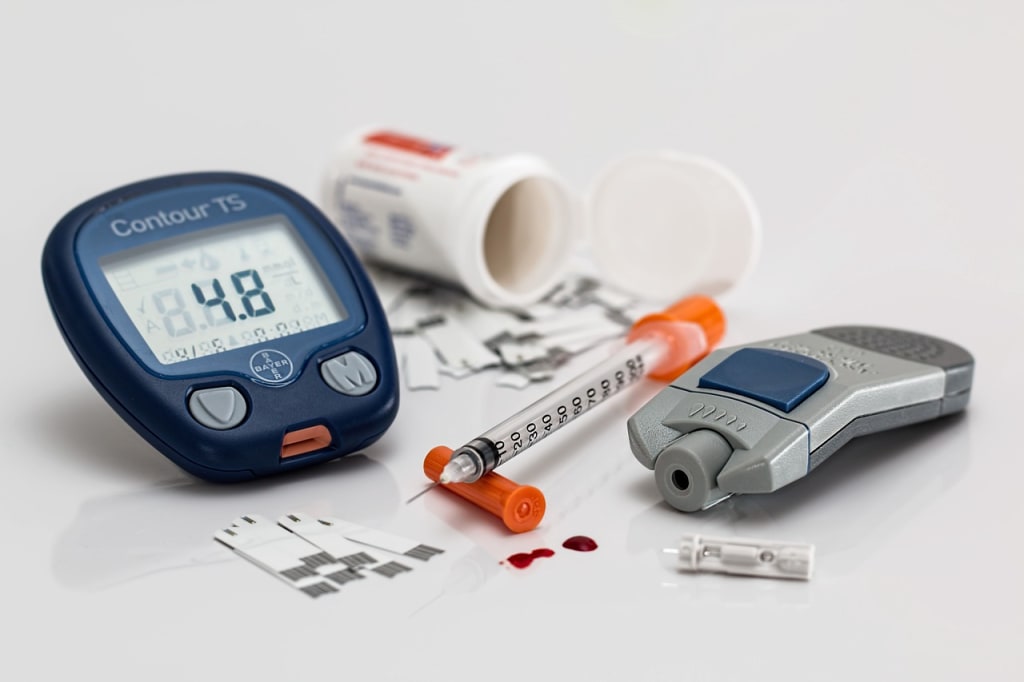
Managing blood sugar levels is crucial for individuals with diabetes to prevent long-term health complications. By keeping your blood sugar within the target range, you can reduce the risk of heart disease, vision loss, kidney disease, and improve your overall wellbeing. In this comprehensive guide, we will answer common questions about blood sugar management, including how to check blood sugar levels, when to check, blood sugar targets, symptoms of low and high blood sugar, and effective treatments.
Checking Your Blood Sugar
Regularly monitoring your blood sugar levels is essential for managing diabetes. There are two primary methods for checking blood sugar: using a blood sugar meter (glucometer) or a continuous glucose monitor (CGM). A blood sugar meter measures the sugar levels in a small sample of blood, typically obtained from a fingertip. On the other hand, a CGM utilizes a sensor inserted under the skin to monitor blood sugar levels continuously. If you use a CGM, it's still important to test daily with a blood sugar meter to ensure accuracy.
Determining When to Check
The frequency of blood sugar checks depends on the type of diabetes you have and the medications you take. Generally, it is recommended to check your blood sugar levels at the following times:
When you wake up, before consuming any food or beverages.
Before a meal.
Two hours after a meal.
At bedtime.
For individuals with type 1 diabetes, type 2 diabetes on insulin, or those experiencing frequent low blood sugar, additional checks before and after physical activity may be necessary.
Understanding Blood Sugar Targets
Blood sugar targets represent the desired range individuals aim to achieve. While specific targets may vary based on age, existing health conditions, and other factors, common targets include:
Before a meal: 80 to 130 mg/dL.
Two hours after the start of a meal: Less than 180 mg/dL.
It is crucial to consult your healthcare team to determine the optimal blood sugar targets for your individual needs.
Causes and Symptoms of Low Blood Sugar
Low blood sugar, also known as hypoglycemia, can occur due to various factors, such as skipping a meal, taking excessive insulin or other diabetes medications, increased physical activity, or alcohol consumption. Symptoms of low blood sugar may vary among individuals but commonly include shaking, sweating, nervousness, confusion, dizziness, and hunger. It's important to understand your personal symptoms and promptly address low blood sugar to prevent complications.
Try and enjoy with smart blood sugar display
Treating Low Blood Sugar
Individuals who experience hypoglycemia unawareness, characterized by low blood sugar without noticeable symptoms, may need to check their blood sugar more frequently. If low blood sugar is detected, it's crucial to treat it promptly. Carry necessary supplies, such as glucose tablets, fruit juice, regular soda, or hard candy, to combat low blood sugar. After treatment, wait for 15 minutes and recheck blood sugar levels. Repeat the treatment if blood sugar remains below 70 mg/dL. If low blood sugar is a recurring issue, consult your doctor for potential adjustments to your treatment plan.
Understanding High Blood Sugar
High blood sugar, or hyperglycemia, can occur due to illness, stress, overeating, or insufficient insulin administration. Prolonged high blood sugar levels can lead to severe health problems. Symptoms of high blood sugar often include fatigue, excessive thirst, blurry vision, and frequent urination. It is important to manage high blood sugar effectively to prevent further complications.
The Role of Ketones
Ketones are produced when the body breaks down fat for energy due to insufficient insulin in the bloodstream. Excessive production of ketones can lead to diabetic ketoacidosis (DKA), a potentially life-threatening condition. Symptoms of DKA include rapid breathing, dry skin and mouth, flushed face, frequent urination, fruity-smelling breath, headache, muscle stiffness, nausea, vomiting, and stomach pain. If you suspect DKA, test your urine for ketones using a test kit and contact your healthcare provider immediately for proper medical attention.
Treating High Blood Sugar
Consulting your doctor is crucial for managing high blood sugar levels effectively. They may recommend the following strategies:
1.Engage in regular physical activity (unless ketones are present in your urine).
2.Follow medication instructions, potentially adjusting dosages or timing if necessary.
3.Adhere to a diabetes meal plan, seeking guidance from a healthcare professional or dietitian if needed.
4.Regularly check blood sugar levels as directed by your doctor, especially during illnesses or when concerned about fluctuations.
5.Discuss insulin adjustments and appropriate types of insulin with your doctor.
About the Creator
How Intentional Blessings Are Supporting Mental Health Awareness in the U.S.
Introduction Mental health awareness in the United States has grown significantly in recent years. Alongside therapy, mindfulness, and lifestyle changes, many Americans are turning to intentional blessings as a complementary practice for emotional well-being.
By Shahid Khanabout 8 hours ago in Education



Comments
There are no comments for this story
Be the first to respond and start the conversation.