
Lunana: The Most Remote School in the World – A Classroom Above the Clouds
In the heart of the Himalayas, where education is a journey of endurance, the students and teachers of Lunana Primary School defy all odds to keep the spirit of learning alive.

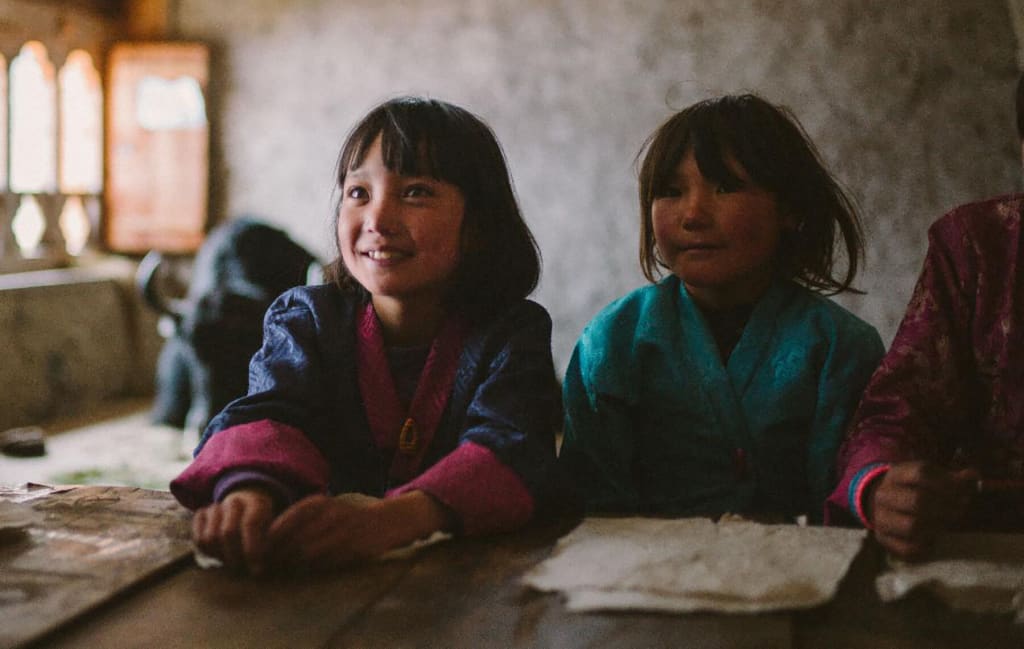
A Classroom Above the Clouds
Imagine a school where the daily commute involves a treacherous trek through the Himalayas, where books and supplies arrive on the backs of yaks, and where the nearest road is more than a week's journey away. This is not a scene from a fantasy novel but a reality for the students and teachers of Lunana Primary School, the most remote school in the world, nestled in the heart of Bhutan.
Where is Lunana?
Lunana is a secluded village in northwestern Bhutan, situated at an astonishing altitude of over 4,000 meters (13,000 feet) above sea level. It is part of the Gasa District, known for its breathtaking landscapes, glacial lakes, and pristine beauty. The village is home to a small community of yak herders and farmers who live in harmony with nature, far removed from modern civilization.
Reaching Lunana is no small feat. There are no roads, no vehicles, and no shortcuts. The only way to get there is by embarking on a grueling 6-10 day trek through rugged Himalayan terrain, braving unpredictable weather, crossing glacial rivers, and climbing steep mountain passes. This makes Lunana one of the most isolated human settlements on Earth.
The Challenges of Running a School in Lunana
Operating a school in such an isolated location presents unique challenges that most educators around the world would find unimaginable.
1. Harsh Weather Conditions
Lunana experiences long, harsh winters, with temperatures plummeting well below freezing. Heavy snowfall cuts off the village from the rest of Bhutan for six to eight months each year, making travel and supply deliveries nearly impossible.
2. Scarcity of Resources
With no direct transportation, everything from textbooks to blackboards must be carried up the mountains by porters, horses, or yaks. Electricity is scarce, and technology is nearly non-existent. Students learn in classrooms that rely on natural daylight and simple teaching materials.
3. Teacher Retention Struggles
Teaching in Lunana is not for the faint of heart. Due to the extreme isolation, many teachers opt to leave after a short period. Convincing educators to stay in such difficult conditions is a challenge, despite government incentives.
The Students of Lunana
Despite these hardships, the children of Lunana display an incredible thirst for knowledge. Most come from yak-herding families, and education is their only window to a world beyond the mountains. The students walk for miles every day to attend class, eager to learn despite the limited resources.
Many of them dream of becoming doctors, engineers, and teachers—professions that seem like a distant reality in their isolated homeland. Education in Lunana is not just about reading and writing; it is a lifeline to opportunity and a bridge to a brighter future.
A Yak in the Classroom: Lunana’s Global Recognition
Lunana gained international attention thanks to the critically acclaimed Bhutanese film "Lunana: A Yak in the Classroom" (2019). The film follows a reluctant young teacher from Bhutan's capital, Thimphu, who is assigned to Lunana. Initially resistant to the hardships, he gradually comes to appreciate the resilience and warmth of the village and its students.
The film beautifully captures the struggles of education in the region and was even nominated for Best International Feature Film at the 94th Academy Awards in 2022. This recognition shed light on the challenges faced by Lunana’s students and teachers and brought global awareness to their inspiring story.
Why Lunana Matters
Lunana may be remote, but its story resonates far beyond the Himalayas. It is a testament to the human spirit, proving that education can thrive even in the most challenging environments. The dedication of teachers who travel to this isolated village and the determination of students who dream beyond their surroundings are truly inspiring.
In a world where digital education and modern conveniences are taken for granted, Lunana reminds us of the fundamental power of learning. It shows that education is not just about technology or infrastructure but about the will to learn and the perseverance to teach.
The Future of Lunana’s Education
Despite the challenges, efforts are being made to improve education in Lunana. Solar panels have been introduced to provide some electricity, and initiatives to bring more consistent teaching staff are underway. The Bhutanese government and international organizations continue to explore ways to support these resilient children and their quest for knowledge.
A Lesson from Lunana
Lunana’s story is one of endurance, hope, and the power of education. While the world races toward digital transformation and artificial intelligence, this tiny village in the Himalayas reminds us that true learning is about passion, persistence, and purpose.
As we marvel at our modern classrooms with interactive whiteboards and high-speed internet, let us not forget the students of Lunana, who prove that even in the most remote corners of the world, education remains a beacon of hope.
Would you trek for days just to reach school? The children of Lunana do, and their story is one worth sharing.
About the Creator
Hariprasad
Passionate writer exploring the intersection of technology, geopolitics, and nature. Sharing insights on AI, global dynamics, and the beauty of our planet to inspire curiosity and meaningful conversations.
Keep reading
More stories from Hariprasad and writers in Education and other communities.
Bhutan to Australia: The Student Exodus Changing a Nation
In recent years, Bhutan has witnessed an unprecedented wave of youth migration, with thousands of students leaving the country in search of better educational and economic opportunities abroad. While Bhutan is globally known for its Gross National Happiness (GNH) philosophy, economic realities are reshaping the aspirations of its younger generation.
By Hariprasad12 months ago in Education
The Psychology of Conviction: How Successful People Execute Bold Ideas Fearlessly
Executing bold ideas requires more than just ambition and creativity; it demands a powerful mindset. Many people come up with great ideas, but only a few can confidently and consistently turn those ideas into reality. What separates those who execute fearlessly from those who hesitate or abandon their plans is a deep psychological understanding of conviction.
By Brian Ferdinand5 days ago in Education
Co-Parenting in the Digital Age
Co-Parenting in the Digital Age: Shared Circles, Alerts, and Neutral Tech Tools Modern co-parenting requires a modern toolkit. Beyond shared calendars, technology offers powerful ways to foster cooperation, ensure consistency, and prioritize your child's safety. The right digital approach can reduce conflict and create a more stable environment for everyone.
By Olivia Martinez4 days ago in Education
How to Succeed at the Benson Directory®
Congratulations and welcome to the Benson Directory® employee #22391! As our newest call handler, you will have the privilege of speaking with dozens of unique and interesting people on a daily basis as well as the opportunity to earn bonuses for high performance. Contained within this handbook you will find a set of ease to follow instructions designed to help you settle in to your new role and begin paving the way to success.
By S. A. Crawforda day ago in Fiction



Comments
There are no comments for this story
Be the first to respond and start the conversation.