

Introduction:
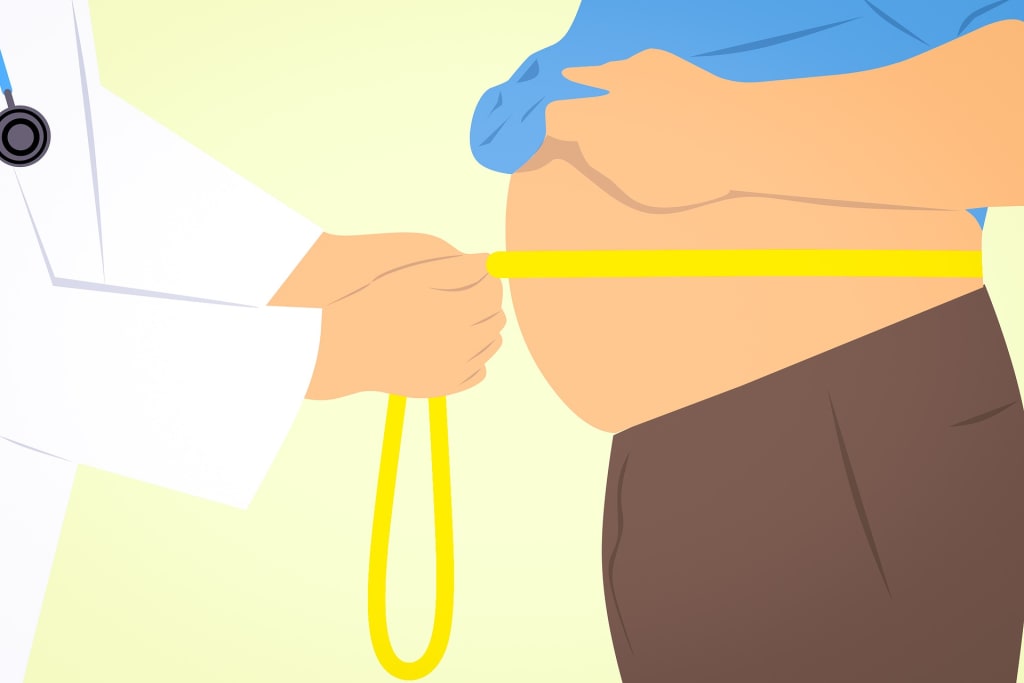
Losing belly fat can be a challenging endeavor, but with the right approach, it is definitely achievable. In this comprehensive guide, we will walk you through three stages that will help you eat effectively and lose belly fat for good. Whether you're just starting out or already on your journey, these step-by-step strategies will provide you with the knowledge and tools necessary to reach your goals. So, let's dive in and discover how you can shed that stubborn belly fat and achieve a healthier, fitter you.
Step-by-Step Guide
Stage 1: Kick-starting the Fat Loss Process:
The first stage focuses on jump-starting the fat loss process. It is essential to understand that your diet plays a crucial role in losing belly fat. To begin, you need to create an energy deficit by consuming fewer calories than your body burns daily. This deficit forces your body to tap into its fat stores for energy, leading to fat loss.
Calorie control is key in this stage. You don't have to completely eliminate carbs, sugar, or your favorite foods. The primary goal is to create an energy deficit. To determine your calorie target, multiply your body weight in pounds by 11 to 13, depending on factors such as height, age, and activity level. This estimate will guide you in establishing an appropriate calorie intake.
But not all calories are equal. To maximize the effectiveness of your diet, focus on consuming low-calorie density foods. These foods take up more space in your stomach but contribute fewer calories to your daily total. For example, 200 calories of Oreos and 200 calories of cereal have vastly different volumes. Opt for unprocessed, low-calorie density foods like fruits, vegetables, and lean proteins. These foods tend to require more calories to burn and digest, further supporting your fat loss efforts.
Additionally, protein intake is crucial to preserve muscle mass while losing fat. Studies show that higher protein diets result in more fat loss and less muscle loss compared to lower protein diets. As a general guideline, aim to consume one gram of protein per centimeter above your height in centimeters. Adjust this recommendation based on your body fat percentage and weight. Incorporating lean protein sources into your meals, along with fruits and vegetables, will keep you satiated and support your fat loss journey.
Stage 2: Going from 15% to 12% Body Fat
As you progress from stage one, you'll encounter the challenge of going from 15% to 12% body fat. At this stage, your fat loss may slow down, and hunger levels may increase. It is crucial to refine your approach to overcome these obstacles successfully.
Tracking your calorie intake becomes more critical in stage two. As you lose more fat, your metabolism decreases, and you burn fewer calories per day. To adjust for these changes, start accurately tracking your daily calorie intake. Research shows that people tend to underestimate the calories they consume, so measuring your food can provide a more accurate picture. Ensure you are maintaining an energy deficit to continue losing fat effectively.
In addition to calorie control, it's time to address your carbohydrate and fat intake. Carbohydrates provide energy and help manage hunger levels. Considering their importance, introduce more carbs into your diet while keeping protein intake high. Lower your daily fat intake to the lower end of the recommended range, around 20 to 25 percent of your calorie intake. This adjustment allows you to create space for more carbs without exceeding your overall calorie goals. The increased carbohydrates will fuel your daily activities and workouts, aiding in calorie burning and preserving muscle mass.
Stage 3: Pushing Towards Lower Body Fat Levels
The final stage focuses on pushing towards lower body fat levels. By this point, you have made significant progress, and now it's about fine-tuning your approach and maintaining discipline.
Continuing to track your calorie intake remains crucial in this stage. Additionally, choosing high-volume foods that are low in calories will help you stay full while consuming fewer calories. Opt for foods like leafy greens, vegetables, and lean proteins that provide satiety without packing on excessive calories. These foods not only support your fat loss efforts but also ensure you receive essential nutrients for overall health.
Practicing discipline is equally important, especially when dining out or attending social events. It's easy to give in to temptation and overindulge in calorie-dense foods. However, being mindful of your choices and controlling portion sizes can help you navigate these situations while staying on track with your goals.
Finally, it is essential to consider the sustainability of extremely low body fat levels. Pushing your body to very low levels of body fat may not be sustainable or healthy in the long run. Remember to prioritize your overall health and well-being above achieving a certain body fat percentage. Listen to your body and find a balance that allows you to maintain a healthy lifestyle while feeling energized and satisfied.
Conclusion:
Losing belly fat requires consistency, dedication, and a well-rounded approach. Set clear goals, find a sustainable eating plan that works for you, and be proud of your progress. Remember, the most important part of any fat loss journey is finding a strategy you can adhere to in the long run. By following the step-by-step guide outlined in this article, you'll be well on your way to losing belly fat and achieving a healthier, fitter you.
About the Creator
Zeeshan Samson
This article delves into the multifaceted nature of Bia, exploring its role in revolutionizing cancer care, empowering patients, and connecting healthcare professionals in an unprecedented way.
Keep reading
More stories from Zeeshan Samson and writers in Education and other communities.
How to Increase your IQ
Four Powerful Techniques to Increase Your IQ Have you ever felt like you were the dullest person in the room? Has a low test score made you doubt your intelligence? It's common for people to believe that their IQ is fixed and that one bad grade determines their intelligence for life. But here's the thing: your intelligence is not predetermined. The portions of your brain responsible for learning, memory, and cognition can change and develop over time. It's up to you to nurture them and help them grow. In this article, we'll explore four powerful techniques that can boost your IQ and enhance your cognitive abilities. And the best part? These techniques are right at your fingertips!
By Zeeshan Samson3 years ago in Education
Building Stronger Teams Through Diversity
Diversity in the workplace is more than a trend. It is a key part of building strong and creative teams. Companies today serve people from many cultures, backgrounds, and life experiences. Because of this, businesses need teams that reflect the world around them.
By Aaron Khieu3 days ago in Education
Effective Methods for Improving Interpersonal Communication Skills at Work and in Life
Communication plays a major role in how people connect, work together, and solve problems. Every day, people talk with coworkers, friends, family members, and new acquaintances. These interactions depend on clear and respectful communication. Because of this, improving interpersonal communication skills can help people build stronger relationships and avoid many common misunderstandings.
By Micah Love-Allotey6 days ago in Education



Comments
There are no comments for this story
Be the first to respond and start the conversation.