
Logistical Struggles
The Swinburne University of Technology Sarawak Campus Experience
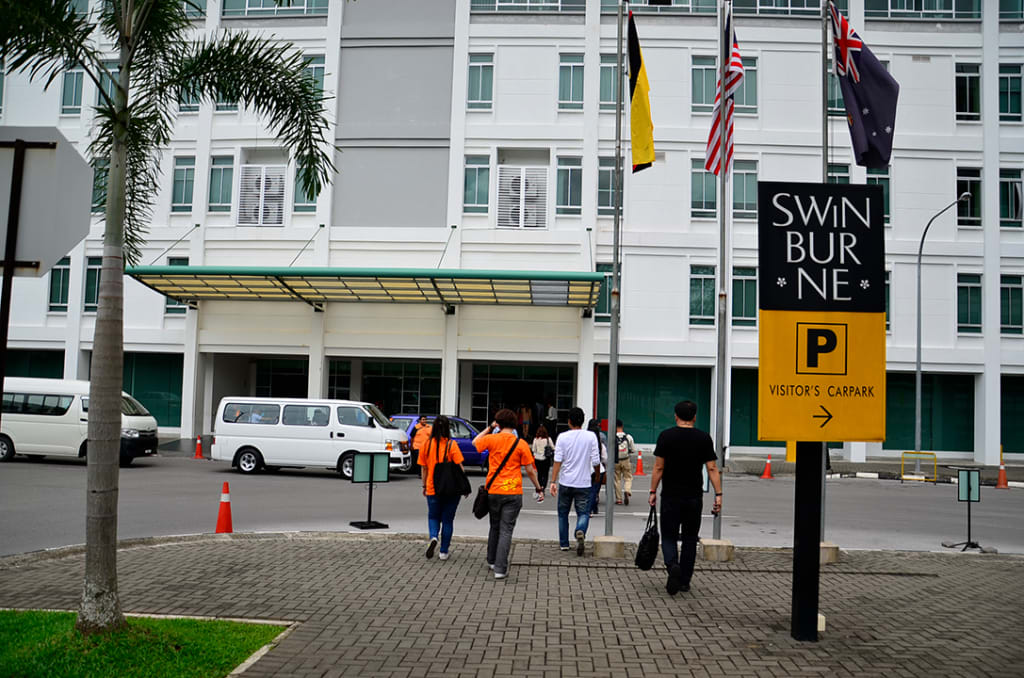
After a successful Zoom interview, I was offered a position at Swinburne University of Technology Sarawak Campus and agreed to the contract and salary. However, what followed was a series of logistical challenges that ultimately led to my decision to leave before even starting the job.
The Hiring Process and Initial Relocation
The journey began with a lengthy wait for a work visa, followed by an 11-hour flight from my home country (Iraq) to Kuala Lumpur. I arrived in Kuching ten days before my start date to secure suitable housing. Initially, I stayed in a hotel but had to relocate due to its inconvenient location behind a river. For ten days, I bore the cost of hotel stays while searching for an apartment, receiving no assistance from the university.
Housing Challenges and Transactional Attitudes
Finding affordable housing near the university proved nearly impossible due to high occupancy rates and steep prices. I eventually found an apartment in USS Uplands and agreed to rent it for RM1,500 per month. The landlady requested RM6,000 upfront, covering deposits and advance payments. However, just two days later, the agent informed me that the landlady had changed her mind and rented the apartment to someone else for RM1,600. This transactional approach, devoid of empathy or consideration, mirrored the university’s attitude — one that seemed focused solely on financial gain rather than the well-being of its faculty.
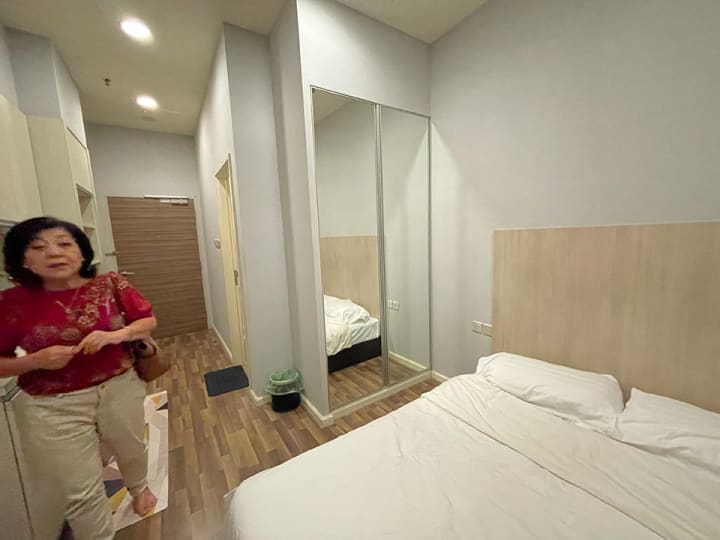
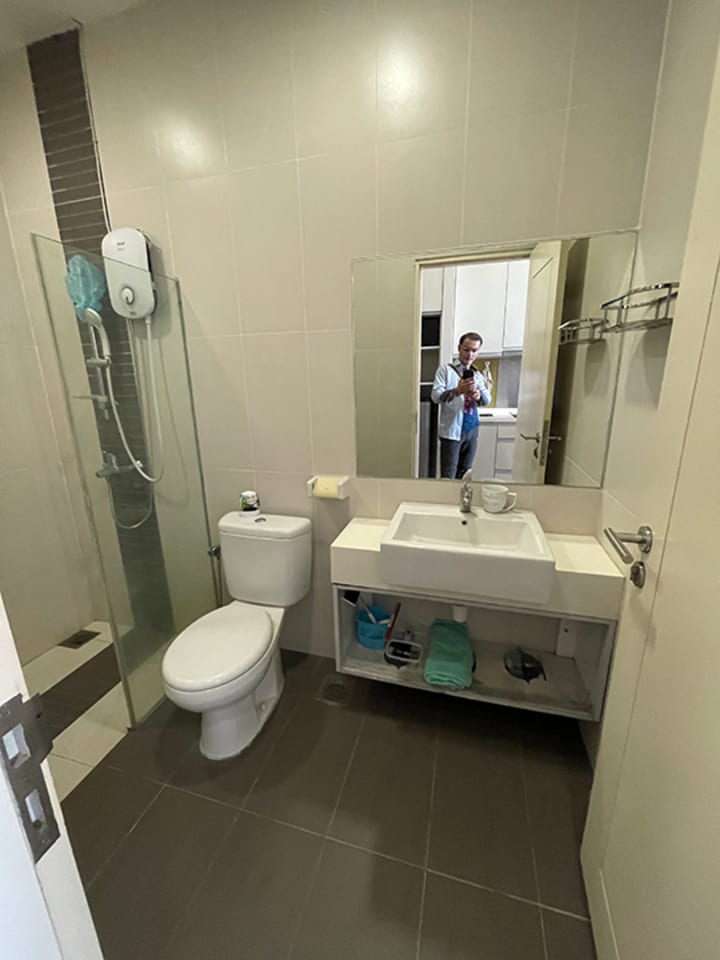
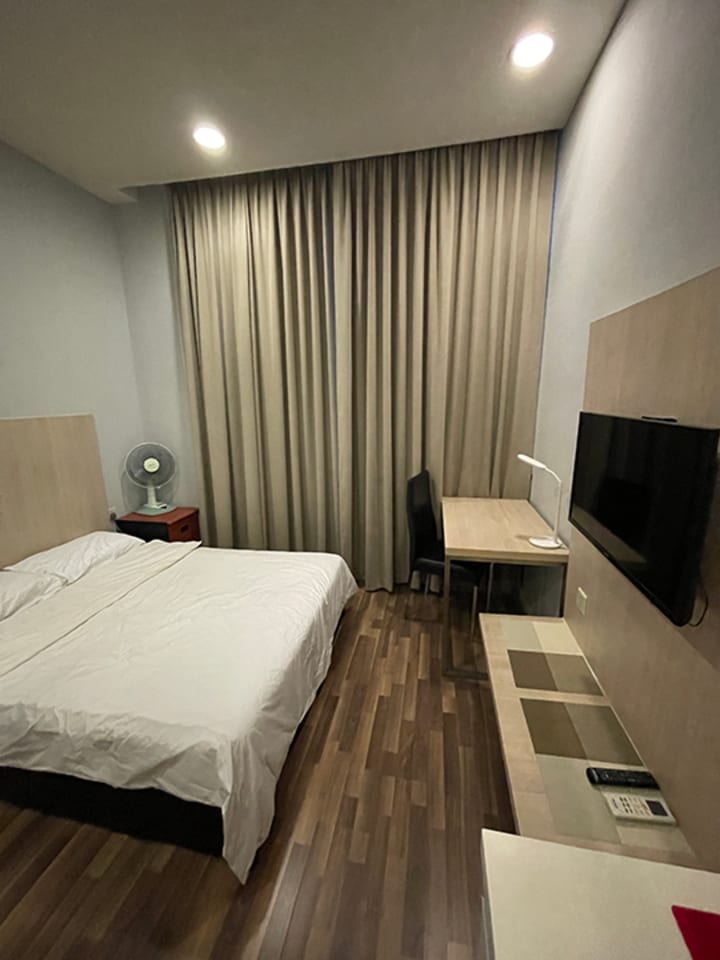
Eventually, I rented an apartment in Kozi Square, only to encounter yet another major obstacle: the near impossibility of finding Grab taxis in the early morning. Securing transportation was not only time-consuming but also prohibitively expensive, turning my daily commute into a draining and costly ordeal. But the real trap was the rental agreement itself — signing a two-year lease in Kuching meant there was no way out without severe financial consequences. Breaking the contract early would mean forfeiting all upfront payments — the hefty deposit, advance rent, and agent fees — effectively holding me hostage in a living situation that grew more unbearable by the day. I was stuck endure two years in an inconvenient, isolating location or walk away and lose thousands.
When I brought this struggle to the university’s attention, pleading for even basic assistance — perhaps a shuttle service or housing recommendations — their response was callously dismissive: “Stop making excuses and start working.” It was the final straw. Between the exploitative rental market and the university’s utter indifference to faculty welfare, the pressure became untenable. With no support and no viable alternatives, I had no choice but to leave.
A Decision Forced by Circumstances
My decision was influenced by several factors. I was alone, with no one to consult or offer alternative solutions. Additionally, my five-year leave from my position in Baghdad was set to take effect on August 28, 2024. If I didn’t return in time to cancel the order before it was officially issued, I would have lost my ability to resume my previous job for the next five years. Faced with these mounting pressures, I chose to pack my bags and return home.
Misleading Information and Lack of Warmth
The university’s HR department played a role in exacerbating my challenges. They advised me that Grab taxis were the common means of transportation in Kuching, leading me to rent in Kozi Square, which was far from the university. They failed to warn me that Grab taxis are unavailable in the early morning hours. Furthermore, HR’s communication lacked warmth or consideration. While I was still in Baghdad, their email simply stated: “On your first day of work, kindly drop by HR Office (Room G307, Level 3, Building G) at 8:30 am for a new staff briefing.” There was no welcome message or expression of support.
Ironically, when I was already in Kuching and facing housing difficulties, they suddenly softened their tone: “We look forward to welcoming you to Swinburne tomorrow. Kindly be present at the HR Office (Room G307, 3rd floor, Building G), at 8:30 am.” This shift in tone felt insincere, as if they only used welcoming language after it was too late.
Questions of Fairness and Support
I often wonder whether my experience was shaped by my background. Would a professor from Japan or America have been left to navigate these challenges alone? I doubt it. Having lived in Kuching from 2008 to 2012, I am familiar with the nature of the people there. However, I do not wish to frame this issue in racial or religious terms. The reality is that even prestigious universities like Harvard ensure that new faculty receive proper assistance upon arrival. Why doesn’t Swinburne University in Sarawak do the same?
A Call for Accountability and Improved Support
The university should take responsibility for some of the issues I faced. I lost a significant amount of money on flight tickets, deposits (including two months’ rent, one month’s utilities, and one month’s current rent), hotel fees, and other expenses. Swinburne should proactively assist professors arriving from foreign countries by meeting them at the airport and providing guidance in finding suitable housing near the university. This could involve assigning a staff member to accompany new hires, rather than leaving them to navigate the local real estate market alone.
Securing suitable housing is crucial to the success of any professor joining a university. By failing to provide this basic support, Swinburne not only jeopardizes the well-being of its faculty but also risks losing talented individuals who could contribute significantly to its academic community.
A Missed Opportunity for Both Parties
Ultimately, I lost the opportunity to teach at the university I had once dreamed of joining during my doctoral studies in Kuching. The university also lost me — it lost my artistic expertise, my international reputation as a designer, and the many ideas and projects I could have contributed. Perhaps, however, the university sees no loss at all. Their priorities appear to be purely materialistic, first and last.
Conclusion
My experience highlights the need for universities to prioritize the well-being of their international faculty. By addressing issues such as housing, transportation, and onboarding, institutions like Swinburne University of Technology Sarawak Campus can create a more welcoming and supportive environment. This, in turn, will enable them to attract and retain top talent, fostering a culture of mutual growth and success.
About the Creator
Keep reading
More stories from writers in Education and other communities.
Navigating Business Consulting Challenges to Build Stronger Companies
The modern business world moves fast and puts pressure on businesses from all sides. Leaders often know something is wrong but cannot see the whole picture. This is where strategic consulting pain points become precise and vital. Consultants help companies slow down, gain clarity, and solve problems that block growth. Their role is not to take control but to guide teams toward better decisions and steady progress.
By Nicole Metzabout 5 hours ago in Education
The Blue Ridge Stalker
Tom had left the Ford down the way, its spark plugs finally exhausted and no mechanics for a dozen miles back through the foothills to Strossburg. No matter, he had worn his boots—almost as if he planned for this to happen. The puzzle he sought to solve emanated from the woods clinging to the slopes above; the valley behind held no mysteries.
By Stephen A. Roddewig6 days ago in Fiction




Comments
There are no comments for this story
Be the first to respond and start the conversation.