
Little Fingers at Work: Fun Home Tasks That Build Writing Readiness in Kindergarteners
Supporting Fine Motor Skills Through Everyday Activities

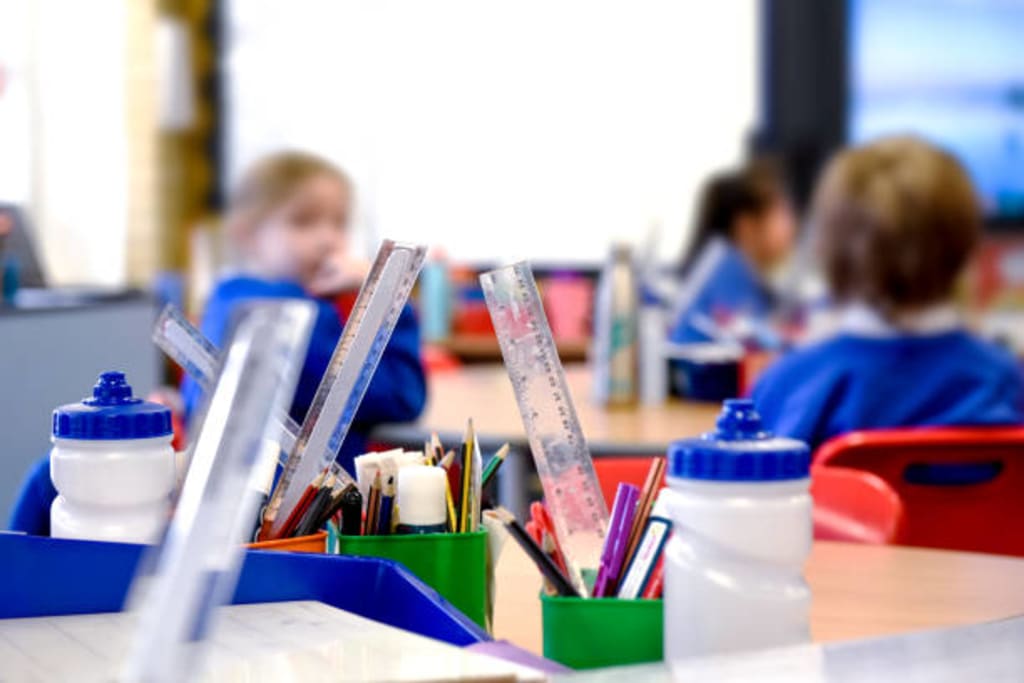
Before children can confidently write their names or form full sentences, their hands need to be ready. Writing readiness, often referred to as “pre-writing skills,” involves far more than just holding a pencil—it includes developing the fine motor control, hand strength, and coordination required for writing success.
While schools play a major role in supporting these skills, parents can make a huge impact at home through simple, engaging tasks that build dexterity and confidence. The best part? Many of these activities feel more like play than practice.
Understanding Writing Readiness
Writing is a complex process. It relies on more than cognitive development—it also requires physical capabilities. For a kindergartener, that means:
- Adequate fine motor strength in fingers and hands
- Coordination between eyes and hands
- Ability to focus on tasks for short periods
- Understanding how to hold and manipulate writing tools
Children develop these abilities at their own pace, but regular practice through everyday tasks can significantly support and accelerate their progress.
The Importance of Fine Motor Skills
Fine motor skills are the small, precise movements that involve the coordination of fingers, hands, and wrists. These skills are foundational for writing, but they’re also needed for self-care tasks like buttoning a shirt or using a fork.
Engaging in fine motor activities strengthens hand muscles, improves coordination, and helps children learn how to control their hand movements—essential for forming letters and using pencils properly.
Simple Home Tasks That Build Pre-Writing Skills
Here are some fun, developmentally appropriate activities that help build writing readiness:
1. Playdough and Clay Modelling
Rolling, pinching, and shaping playdough helps children build hand strength and control. Encourage them to make letters, shapes, or small objects to keep it creative.
2. Tearing and Cutting Paper
Using safety scissors or tearing paper along lines builds both grip strength and precision. You can also create crafts or collages using cut shapes.
3. Threading and Lacing
Beads, pasta, or buttons can be threaded onto string or pipe cleaners. This is a great activity for improving pincer grip and hand-eye coordination.
4. Using Clothes Pegs or Tongs
Ask your child to help hang socks with pegs or transfer cotton balls with tweezers. These actions strengthen the same muscles used for writing.
5. Drawing and Doodling with Variety
Offer crayons, chalk, paintbrushes, or finger paints. Changing writing tools can keep interest high while helping children experiment with grip and pressure.
6. Baking Together
Measuring, pouring, and stirring are fantastic for developing coordination and bilateral hand use—plus, it’s a rewarding sensory experience.
Encouraging Independence Builds Confidence
Giving children opportunities to complete small tasks independently also boosts their self-esteem and focus. Activities like zipping coats, opening lunch containers, or setting the table require the same fine motor control used in writing.
At newham nursery school, educators often partner with parents to promote these small but impactful tasks at home, reinforcing what’s taught in the classroom through daily experiences.
Creating a Writing-Friendly Environment
You don’t need a dedicated classroom space—just a few thoughtful adjustments at home can support early writing development:
- Provide a child-sized table and chair
- Keep a range of writing tools within reach
- Display your child’s drawings and name practice to encourage pride and motivation
- Limit screen time and increase hands-on activities
- Choosing the Right Early Learning Environment
When selecting from nurseries in Newham, parents should look for settings that prioritise hands-on learning and fine motor development. The best early years programs strike a balance between structured literacy activities and open-ended play that strengthens the body and mind.
Final Thoughts
Writing readiness is a journey, not a race. By offering playful, everyday opportunities to strengthen little hands, parents can make a big difference in their child’s readiness for writing and school success.
With patience, encouragement, and plenty of practice, those little fingers will soon be confidently gripping pencils and crafting words of their own.
About the Creator
William Henry
At Best Independent Schools UK, we are here to make your journey smoother by providing detailed information about some of the best nurseries and preparatory schools in England
Keep reading
More stories from William Henry and writers in Education and other communities.
Paint, Paste & Possibilities: How Art Inspires Deeper Learning in Kindergarten
In today’s rapidly evolving educational landscape, early childhood education is undergoing a creative transformation. More than ever, educators are turning to artistic expression as a catalyst for deeper learning among young children.
By William Henry8 months ago in Education
Do you really need to take 10,000 steps a day?
While most people avoid spending the night in jail, Jean Béliveau jumped at the opportunity. For the past three years, Béliveau had been walking from country to country, with the goal of circumnavigating the globe on foot. This required sleeping in tents, strangers’ homes, and the occasional jail cell along the way. But this morning, as Béliveau was ready to leave, the police chief, who had agreed to his sleeping arrangement, was nowhere to be found, and the guards weren’t buying his story. Few people have the time or desire to walk such extreme lengths.
By Munesh Yadavabout an hour ago in Education
What’s the best position to sleep in?
In the 1970s, psychoanalyst Samuel Dunkell proposed a curious, albeit almost completely unsubstantiated, theory that the position you sleep in reflects your personality. For example, preferring to snooze in the so-called royal position indicated self-confidence, while sleeping semi-fetal meant you’re sensible and well adjusted. While Dunkell’s ideas lack any definitive proof, how we sleep can impact our health. So, what’s the best position to sleep in? Sleep positions go by countless creative names—
By Munesh Yadav2 days ago in Education



Comments
There are no comments for this story
Be the first to respond and start the conversation.