
Lighting Control Panel
What Is a Lighting Control Panel?
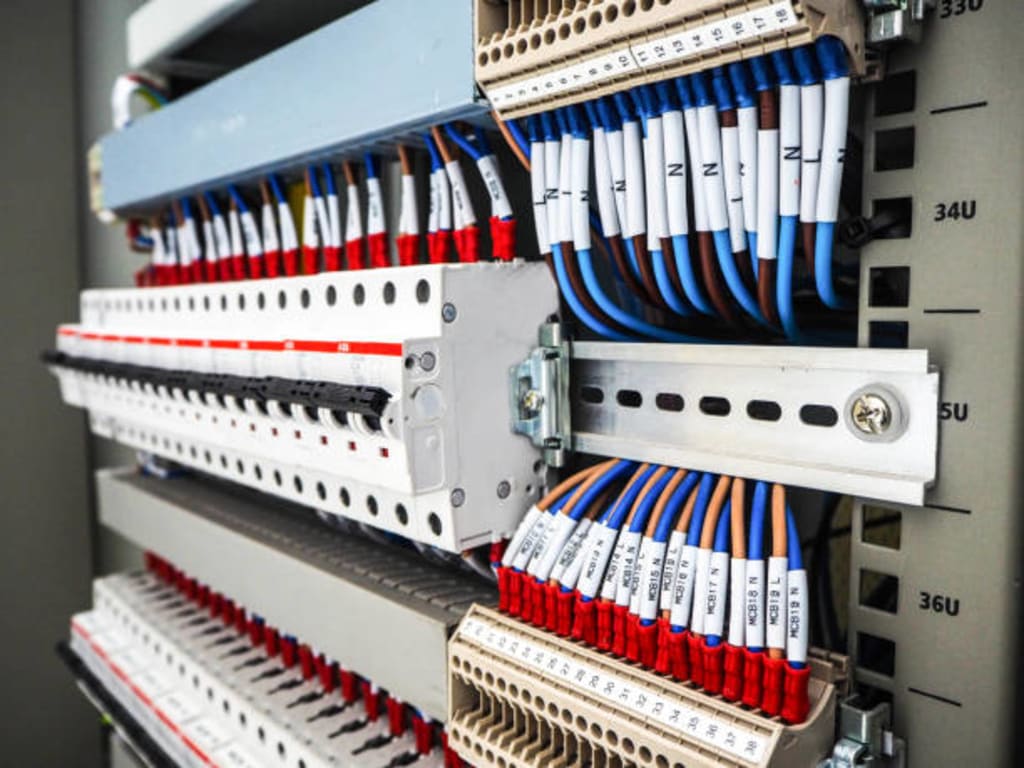
A building or facility's lighting is managed and controlled by a lighting control panel, which is a central piece of equipment. It normally consists of a number of circuits, each of which can be independently turned on or off to regulate the lighting in various parts of the structure. The panel can be manually operated with switches or buttons, or it can be programmed to turn the lights on and off automatically at specific times or in reaction to specific circumstances. The panel might also be equipped with sensors and other gadgets that let it keep track of lighting conditions and make adjustments in response to things like the amount of natural light in a space or the presence of people.
Common Mechanisms of Lighting Control Panel
There are several common mechanisms that can be used to control lighting in a building or facility:
Simple on/off switches, known as manual switches, let users manually turn on and off the lights.
Timers: Timers can be used to automatically turn lights on and off at predetermined times.
Occupancy sensors: When someone enters a room, these sensors detect their presence and turn on the lights; when no one is present, they turn them off.
Utilizing sensors to gauge the quantity of natural light present in a space and changing the artificial lighting as necessary is known as daylight harvesting.
Scene control: Scene control systems allow users to create and save different lighting configurations (scenes) for different purposes, such as reading, entertaining, or working.
Dimmers: Dimmers allow users to adjust the intensity of the lighting in a room.
Remote control systems enable customers to manage the lights from a distance using devices like a smartphone or tablets.
Voice control: Some lighting control systems can be controlled using voice commands.
Daylight-linked Lighting Control Panel
A particular kind of lighting control panel employs sensors to determine how much natural light is present in a space and then adjusts the artificial lighting accordingly. This kind of system is frequently utilized in structures with large windows or skylights to maximize natural light and lower energy usage.
A daylight-linked lighting control panel has sensors that detect the amount of light entering a space and transmit that data to the panel. In order to augment the natural light and keep a constant level of illumination, the panel then modifies the artificial lighting. To better optimize energy use, the panel might also have other functions like timers and occupancy sensors.
Daylight-linked lighting management systems can regulate lighting in buildings with a lot of natural light in a way that is both economical and energy-efficient. By decreasing the need for artificial lighting, they can lower energy expenditures while also enhancing the overall lighting quality of a place by seamlessly blending natural and artificial light.
What are lighting control systems?
Users can adjust the illumination in a building or facility using lighting control systems. In addition to a network of switches, sensors, and other devices that are located all throughout the building, they frequently feature a central control panel. These devices provide input to the control panel, which then uses that information to change the lighting in various parts of the building.
Lights can be turned on and off, their intensity can be changed, and various lighting arrangements (scenes) can be made for various reasons using lighting control systems. Additionally, they can be set to switch on and off at predetermined intervals or in reaction to certain circumstances, such as the number of people in the room or the quantity of daylight.
Lighting control systems can be a cost-effective and energy-efficient way to manage lighting in a building, as they can help reduce energy consumption and improve the overall lighting quality in a space. They can also provide convenience and flexibility for users, as they can be controlled remotely or through voice commands. Read more.
About the Creator
Keep reading
More stories from carlo wilson and writers in Education and other communities.
Systems for Power Management: Definition and Use
Introduction: What is a power management system? A power management system is an instrument that can be used in a building to help regulate its energy use. Power Management Systems come in a wide range of configurations, but they all share one trait: they work together to save expenses and improve energy efficiency.
By carlo wilson3 years ago in Education
How Fusion Powers Stars: The Secret Nuclear Reaction That Lights the Universe
Introduction: The Light That Has Always Been There Every night, when we look up at the sky, we see stars—countless points of light stretching across the darkness. They appear steady, eternal, and powerful. For thousands of years, humans wondered what fuels them. Why do they shine for so long? What keeps them burning?
By shahkar jalala day ago in Education



Comments
There are no comments for this story
Be the first to respond and start the conversation.