

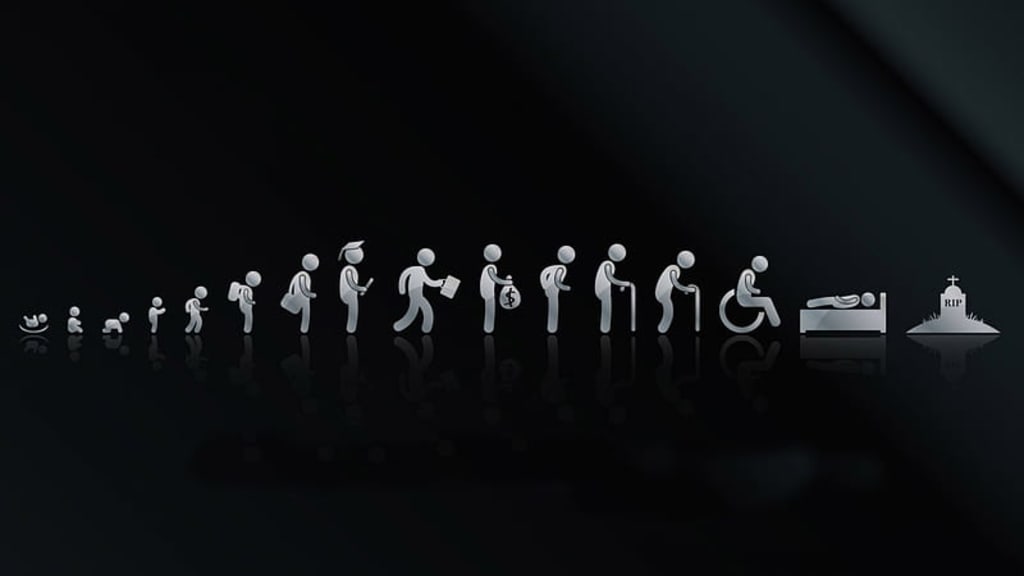
Life after death is a topic that has captivated human imagination and sparked philosophical and religious debates for centuries. It is a concept that revolves around the idea of the continuation of consciousness or existence beyond the physical death of the body. While various religious and cultural traditions offer diverse perspectives on what happens after death, this essay will explore some of the common beliefs and theories regarding life after death, as well as examine the scientific and philosophical perspectives on this intriguing subject.
Religious and Spiritual Perspectives:
Many religious traditions propose the existence of an afterlife, where the soul or essence of an individual continues to exist after death. These beliefs provide comfort and hope to believers, assuring them of a continued existence beyond earthly life. Different religions offer distinct conceptions of the afterlife.
Islam: Islamic belief includes the notion of life after death, emphasizing the Day of Judgment. Muslims believe in bodily resurrection and the eternal nature of the soul. The Day of Judgment entails a reckoning of one's deeds, determining entry into Paradise (Jannah) or punishment in Hell (Jahannam)
Christianity: In Christian theology, life after death is based on the belief in the resurrection of Jesus Christ. Christians anticipate a future resurrection of the dead and an eternal life in the presence of God. According to Christian teachings, individuals will be judged based on their actions and beliefs during their earthly life, leading to either eternal salvation in heaven or damnation in hell.
Hinduism: Hinduism presents a cyclical view of life and death, known as samsara. According to Hindu beliefs, individuals undergo a continuous cycle of birth, death, and rebirth, driven by the law of karma. The ultimate goal is to break free from this cycle through spiritual enlightenment, achieving moksha or liberation from the cycle of rebirth.
Buddhism: Buddhism also subscribes to the concept of reincarnation, where individuals go through multiple lives. However, unlike Hinduism, Buddhism seeks to escape the cycle of rebirth altogether. Buddhists believe in attaining enlightenment, reaching a state of Nirvana that transcends life and death.
These are just a few examples of religious perspectives on life after death, and many other faiths and belief systems offer their own interpretations and explanations.
Scientific Perspectives:
While religion provides metaphysical explanations and narratives regarding life after death, science approaches the topic from a different angle. Science primarily focuses on empirical evidence and rational inquiry, often challenging supernatural or spiritual claims. Consequently, scientific perspectives on life after death tend to be skeptical and based on the naturalistic worldview.
Materialism: From a strictly materialistic standpoint, life after death is viewed as implausible. Materialists argue that consciousness arises from the physical processes of the brain, and when the brain ceases to function at death, consciousness also ceases to exist. According to this view, there is no evidence or scientific basis to support the notion of an afterlife.
Near-Death Experiences (NDEs): Near-death experiences have garnered significant attention in scientific research. NDEs are reported by individuals who have been pronounced clinically dead or come close to death and then revived. These experiences often include sensations of floating outside the body, moving through a tunnel, encountering deceased loved ones, and a sense of peace and transcendence. While NDEs are intriguing, they remain highly subjective and difficult to verify, leaving room for various interpretations.
Consciousness Studies: The field of consciousness studies explores the nature and origins of consciousness. While the workings of consciousness are not yet fully understood, scientists are making progress in uncovering the neural correlates of consciousness. Some theories propose that consciousness might have a basis beyond the physical brain, leading to speculations about the possibility of consciousness surviving death. However, such theories remain speculative and require further
About the Creator
Ayesh khan
Step into the extraordinary world of Ayesh khan, a writer whose words hold the power to transport you to realms beyond imagination.
So, if you seek to be swept away by tales, Open the pages, step into her wonderland to captivated by magic.
Keep reading
More stories from writers in Education and other communities.
The BMI Blueprint: Your Personal Guide to Weight & Health
Why This Simple Number Holds the Key to Your Health In the landscape of health metrics that can sometimes feel overwhelming, one measurement stands out for its simplicity and profound implications: your Body Mass Index. This uncomplicated calculation, which compares your weight to your height, serves as a crucial screening tool that healthcare professionals have relied upon for decades to assess potential health risks and guide wellness strategies.
By Back links Areaa day ago in Education
Building a Lasting Impression: How Growth Drives a Strong Hospitality Brand
Creating a strong hospitality brand through growth is key to long-term success in the industry. A brand is more than a logo or a catchy slogan. It is the full experience a guest has from the moment they hear about a hotel or restaurant until they leave. Growth helps shape that experience. It influences how a brand is seen, how it operates, and how it builds trust.
By Asad Malikabout 22 hours ago in Education
Trouble at the Tea Leafing Café
The rain had started right around the time that Annie was buttering her second thick slice of homemade toast for breakfast, and hadn’t paused since. Not that anyone could tell. The windows of the café were fogged over, and with every seat filled with happy customers munching on fresh baked pastries or steaming bowls of the delicious soup of the day, it was hardly surprising. Annie looked around the room, finally taking a moment to breathe after the lunch time rush. Her old life already felt like a bad memory, a part of her history, always, but just that. History.
By Hannah Moore3 days ago in Fiction


Comments
There are no comments for this story
Be the first to respond and start the conversation.