
Know About Tropics and Tropical Cyclone
Tropics and Tropical Cyclone

Tropics
The tropics refer to the region of the Earth that lies between the Tropic of Cancer and the Tropic of Capricorn. This equatorial belt, approximately 23.5 degrees north and south of the equator, experiences a relatively consistent climate throughout the year. Characterized by warm temperatures, abundant sunlight, and high humidity, the tropics support a diverse range of ecosystems, including rainforests, savannas, and coral reefs. These regions have distinct wet and dry seasons due to the movement of the Intertropical Convergence Zone, a band of clouds and thunderstorms that shifts with the changing angle of the sun. The tropics are home to a rich variety of plant and animal species, and many cultures and economies depend on the resources these areas provide.
Tropical Cyclone
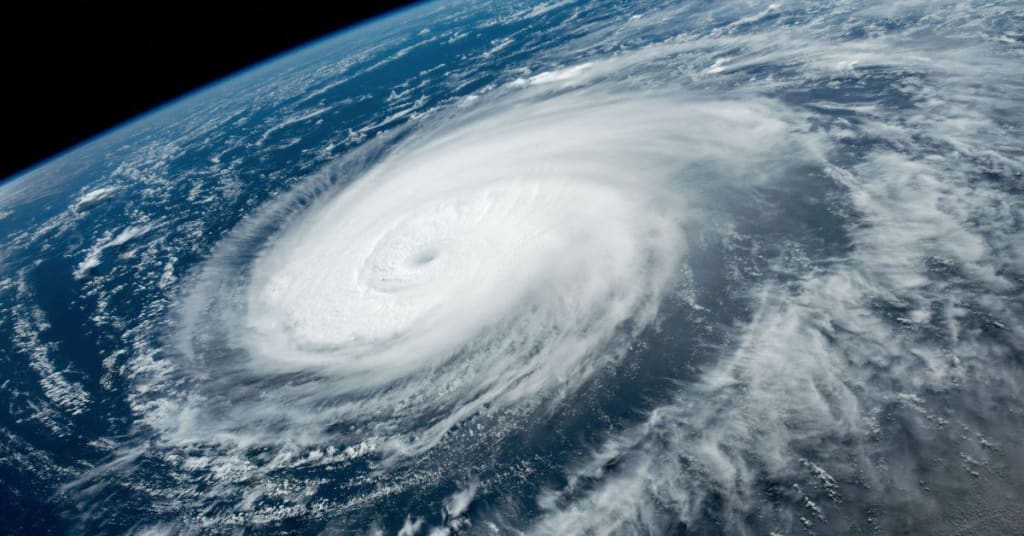
Tropical cyclones, Nature's Powerful Fury also known as hurricanes or typhoons depending on their location, are among the most powerful natural phenomena on Earth. These massive swirling storms are characterized by their strong winds, heavy rainfall, and potential for devastating impacts on coastal areas. Understanding the science behind tropical cyclones is crucial for preparation, response, and minimizing the damage they can inflict.
Formation and Structure:
Tropical cyclones originate over warm ocean waters near the equator, typically between 5 and 30 degrees latitude. Warm ocean waters provide the necessary energy for their formation. As the sun heats the ocean's surface, it causes water to evaporate, releasing latent heat into the atmosphere. This warm, moist air rises, and as it cools and condenses, it forms clouds and releases additional heat. This process creates a cycle of warm, moist air rising from the ocean's surface, which fuels the growth of the storm.
The rotating system of a tropical cyclone is driven by the Earth's rotation, known as the Coriolis effect. This effect causes the storm to develop a well-defined center called the eye, surrounded by concentric bands of clouds and rain known as the eyewall.
Stages of Development:
Tropical cyclones go through several stages of development:
Tropical Disturbance: This initial stage involves a cluster of thunderstorms over warm waters. If conditions are conducive, it can evolve into the next stage.
Tropical Depression: When the disturbance becomes more organized and wind speeds reach a minimum threshold, it is classified as a tropical depression.
Tropical Storm: If wind speeds continue to increase, the system becomes a tropical storm. At this point, the storm is given a name.
Hurricane/Typhoon: When the wind speeds surpass a specific threshold (74 mph or 119 km/h), the tropical storm intensifies into a hurricane (or typhoon, depending on its location).
Intensity and Impact:
Tropical cyclones are categorized based on their wind speeds using the Saffir-Simpson Hurricane Wind Scale. The scale ranges from Category 1 (weakest) to Category 5 (strongest). As a cyclone intensifies, its impacts become more severe, including stronger winds, heavier rainfall, and higher storm surges.
The destructive potential of tropical cyclones lies not only in their strong winds but also in the associated heavy rainfall. Intense rainfall can lead to widespread flooding, causing destruction of infrastructure, homes, and loss of life. Storm surges, caused by the cyclone's low pressure and strong winds, can inundate coastal areas, leading to devastating coastal erosion and flooding.
Preparation and Mitigation:
Given the potentially catastrophic consequences of tropical cyclones, preparation and mitigation are crucial. Early warning systems, satellite technology, and computer models have significantly improved our ability to predict the path and intensity of these storms. Government agencies, disaster management organizations, and meteorological departments play a vital role in monitoring, forecasting, and issuing timely alerts to vulnerable communities.
Coastal regions prone to tropical cyclones often implement building codes and infrastructure designed to withstand high winds and flooding. Evacuation plans and shelters are established to ensure the safety of residents during cyclone threats.
Tropical cyclones are awe-inspiring natural phenomena that demonstrate the immense power of Earth's interconnected systems. While their impacts can be devastating, advancements in meteorology and disaster preparedness have significantly improved our ability to anticipate and mitigate their effects. By understanding the science behind these storms and taking proactive measures, societies can minimize the damage caused by these powerful forces of nature.
About the Creator
papershub
Love to read and write
A World Photography Day Tale
As the golden rays of the morning sun painted the world in hues of warmth, a quaint village came to life on the canvas of a photographer's imagination. It was World Photography Day, a day to celebrate the art of freezing moments in time, and Jane, an aspiring photographer, had a tale to tell through her lens.
By papershub3 years ago in Photography
Exploring FSC 5999: Miscellaneous Electrical and Electronic Components in Aerospace and Avionics
When I first started studying aircraft systems, I realized that aviation engineering is as much about the parts you don’t see as the ones you do. Beyond major systems like engines and flight controls, there exists a broad yet vital collection of miscellaneous electrical and electronic components — categorized under FSC 5999 — that quietly support mission-critical functions throughout an aircraft.
By Beckett Dowhanabout 6 hours ago in Education
A Knight of the Seven Kingdoms Series Review (Season 1)
As one of the biggest properties in fantasy, A Song of Ice and Fire remains immensely popular with audiences. After reaching far into the past with House of the Dragon, a second spin-off was on the cards. A Knight of the Seven Kingdoms serves up a bite-sized slice of action and drama, but it still claims a spot among the best small-screen titles.
By Robert Cain5 days ago in Geeks




Comments
There are no comments for this story
Be the first to respond and start the conversation.