
Key Factors to Consider When Planning an Industrial Building Project
Critical choices that define safety, strength, and efficiency
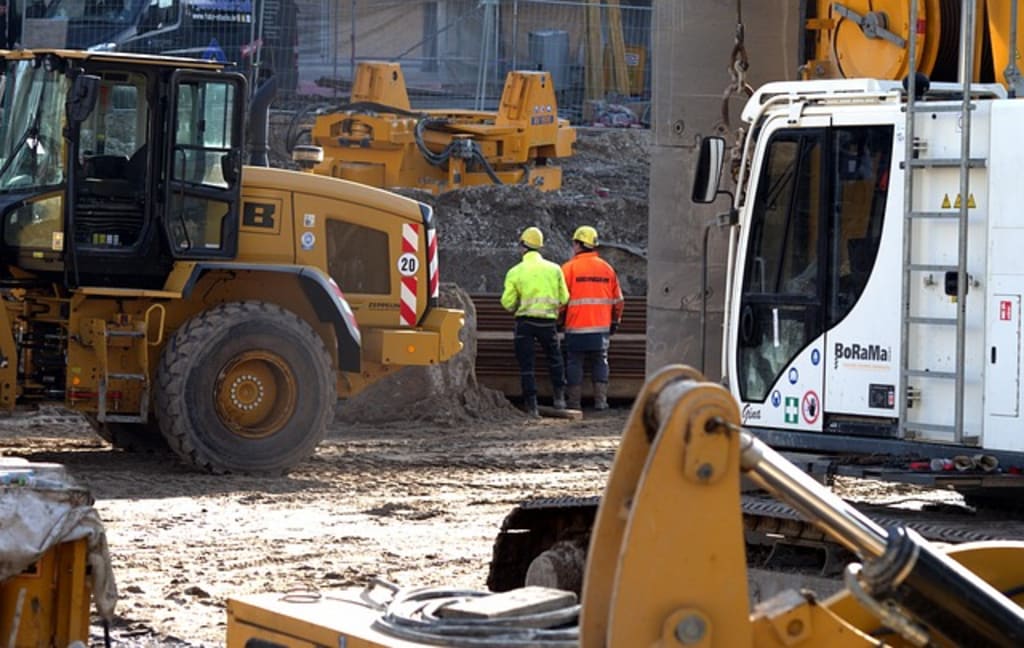
Constructing an industrial building involves a sequence of procedures starting from planning, strategic consideration, and long term decision making. Planned site selection, along with construction materials and future extensibility, can dictate whether operational goals, legal regulations, and budget restrictions are fulfilled.
Below is a list of key points relevant to constructing a warehouse, distribution center, or manufacturing plant:
Site Selection and Location
The most important factor in the completion of an industrial building starts from the site selection as it is imperative in the first steps of industrial construction. The marking of a well thought out site can strengthen even logistics and transportation as well as the cost controlling structure of the business. The following pointers must also be respected:
Accessibility of employee and supplier roadways
Highways and railways proximity including ports and airports
Local regulations along with zoning restrictions
Infrastructure issues including pre-existing utilities
No potential problem concerning the environment’s ecology
Engaging with an expert building professional from the early stages can aid with the selection of the site. These construction professionals possess remarkable skills that can be crucial at such stages.
Building Design and Layout
At the very minimum, the functionality must drive your industrial building design. The blueprint must facilitate smooth operations, as well as support growth. The most notable considerations are:
Integration of office areas.
Strategic positioning of loading docks.
General ventilation or lighting methods.
Safety and emergency routes.
It is very important to create a space that accounts for specifics of your industry. Discussing your design with competent architects or design-build firms will ensure that your layout meets design standards and operational workflows.
Structural Materials and Strength
Industrial buildings require wrought materials to be done in such a way that they can withstand rough use, high/low temperatures and aging. This is the reason as to why most of the fabrication works have a Steel frame. Because it is strong and very adaptable. Another reason is the concrete on the foundation and the floor because of its strength, resistance to damage, maintenance and load bearing.
Quality concrete flooring for an industrial setting is ideal because not only can it support the heavy equipment, its non slip surface helps reduce dust accumulation and improves overall workplace safety. The concrete supplied should be compliant with the industry’s requirement, the flooring should also be tough, well finishing, and treated to resist wear and chemical damage.
Budgeting Strategies and Expense Control
Even a well-thought-out plan can fail if a budget is exceeded. It is very important to set a reasonable budget from the start, factoring in some flexibility for unplanned challenges. The primary components of cost are:
Land purchase
Legal and permitting costs
Labor and materials of construction
Installation of equipment
Setting up utilities
Budgetary expenses can be effectively managed through an experienced industrial building construction company that provides precise estimates, project schedules, and clear communication during the construction process.
Permits and Compliance Measures
Local, state, and federal laws all form an integral part of industrial construction. These include zoning and environmental permits, building codes, fire prevention, and OSHA standards. Not adhering to these may cause huge fines or costly delays.
A well-established industrial building construction company will help you navigate through these codes and permits, ensuring that all project phases are completed in legal compliance.
Sustainability and Energy Efficiency
Sustainable development is becoming a consideration even in industrial construction. The use of energy-saving lighting, HVAC systems, and insulation greatly reduces the operating expenses over a period of time. Other green building considerations include:
The Installation of Solar Panels
Construction of Rainwater Harvesting Systems
The Use of Recycled Construction Materials
The Design of Natural Lighting
Sustainable practices help with environmental compliance, but they also enhance a company’s image and may even help with tax breaks or LEED certification.
Technology Integration
Most modern industrial facilities come integrated with modern technologies that streamline the safety and operational efficiency of the facility, including
Smart Technologies for HVAC and Lighting
Automated Machinery
Security Surveillance Technology
Monitoring IoT Systems
Integrating new technologies at the design stage instead of retrofitting to avoid incurring extra costs later.
Timeline and Project Scheduling
Each construction project possesses a timeline, and previously deadlined stages have to be completed without delays, or else the budget takes a massive blow. A reasonable timeline should cater to every single stage of the project from planning and permitting to construction and finally the commissioning.
Maintain full transparency with the contractor, supplier and other stakeholders to ensure the project is managed well and delivered on time as planned. Updating inspection progress at regular intervals and clearly defining goals help ensure that no surprises painfully derail the project as it sets out to meet targets.
Flexibility and Additional Development
Needs for industries may change with time. Regardless of whether you plan to increase the level of output or intend to branch out, the design of the building should be adaptable. Ensure there is space on the lot for future construction and think about modular building techniques which provide for greater ease of expansion.
This approach makes your facility more efficient as compared to your expenditures and ensures that your facility is capable of growing side by side with your business.
Summing Everything Up
Making plans for building an industrial structure entails a lot more than deciding where to build and digging a foundation. It takes focus on the layout, permits, funding, and preparing for whatever the effects of time conceivably could be. Getting the right professionals can improve the efficiency of the entire process, compliance, and costs.
Regardless of the company you choose, this is the most integral step towards achieving a sustained outcome. Every aspect from concrete flooring and energy efficiency to window scalability impacts the facility's capabilities in aiding your operations now and years to come.
At ICM, we bring over 30 years of experience in industrial construction to the table in every project. We closely collaborate with the clients during the process to provide customized, mission-ready structures within schedule and beyond expectations. Visit our website or get in touch with us for more information!
About the Creator
Industrial Construtors Manager Inc.
Industrial Constructors/Managers Inc. (ICM Inc.) is a leading industrial construction company specializing in heavy construction, fabrication, plant maintenance, rigging, piping, electrical, and specialty services.
Keep reading
More stories from Industrial Construtors Manager Inc. and writers in Education and other communities.
Steel Fabrication in Industrial Construction: Why It’s the Backbone of Every Successful Build
In the world of industrial production, there may be no room for guesswork. Facilities want to be sturdy, efficient, and built to last. That’s in which steel fabrication plays a crucial role. Whether you're building a processing plant, energy facility, or a multi-acre warehouse, the energy and precision of custom-fabricated steel may be the difference between an undertaking that prospers—and one that fails to fulfill overall performance demands.
By Industrial Construtors Manager Inc.8 months ago in Education
Market Impact Estimation and Slippage Control in Automated Stock Trading
Automated stock trading has changed the way people trade in today’s markets. With the help of algorithms and clear rules, traders can buy and sell stocks faster and with more discipline. Even so, every trading system faces two real challenges: market impact and slippage. Learning how these work and how automated systems handle them helps traders build smarter and more reliable strategies.
By james hallabout 20 hours ago in Education
Building Stronger Schools Through Student Mental Health Support
Schools across the United States face a growing responsibility to support students with anxiety and depression. Academic pressure, social media influence, family stress, and uncertainty about the future affect students at younger ages than ever before. Therefore, schools must recognize that mental health directly shapes learning outcomes, behavior, and long-term well-being. When students feel emotionally supported, they engage more fully in class and build stronger relationships. As a result, mental health care should stand alongside academic instruction as a core school priority.
By Martin Karp2 days ago in Education




Comments
There are no comments for this story
Be the first to respond and start the conversation.