
Key Elements of Successful Supply chain Management System
supply chain management important elements
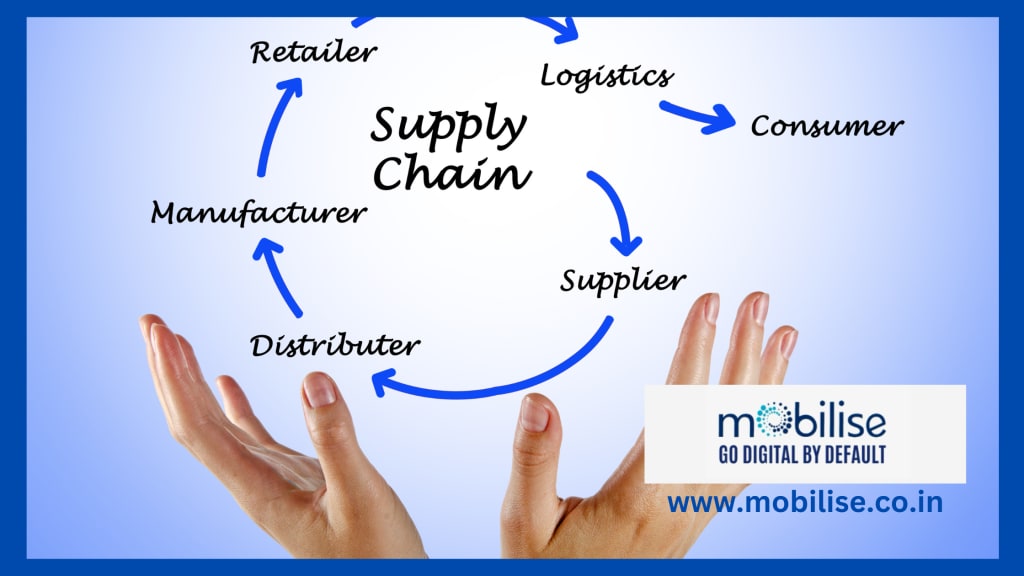
Ever wondered why some businesses always deliver on time while others stumble? The secret lies in their supply chain management (SCM). A well-managed supply chain isn’t just about moving products from A to B; it’s about ensuring everything flows smoothly, efficiently, and in sync with customer needs. Let’s dive into the key elements that make SCM successful.
Understanding Supply Chain Management (SCM)
Definition of SCM
Supply chain management involves overseeing the flow of goods, information, and finances from raw materials to the end customer. It’s like orchestrating a symphony where every note matters.
Role in Modern Business
In today’s fast-paced world, SCM ensures businesses can meet customer expectations while controlling costs. Without it, chaos reigns, leading to lost sales and unhappy customers.

Key Elements of Successful Supply Chain Management
Strategic Planning
Every journey needs a map. Strategic planning in SCM means setting clear objectives that align with overall business goals. Whether it’s reducing delivery times or cutting costs, having a plan keeps everyone on the same page.
Robust Technology Integration
Technology is the backbone of modern SCM. Tools like ERP systems and real-time analytics help businesses track inventory, predict demand, and identify bottlenecks. It’s like having a GPS for your supply chain.
Effective Communication and Collaboration
Imagine a relay race where no one knows when to pass the baton. That’s what a poorly managed supply chain looks like. Strong communication ensures suppliers, manufacturers, and distributors work together seamlessly.
Inventory Management
Too much inventory ties up capital, while too little leads to stockouts. The key is finding the perfect balance, ensuring you have just enough to meet demand without overloading your warehouse.
Demand Forecasting
Using tools like predictive analytics, businesses can anticipate customer needs and adjust their supply chain accordingly. Accurate forecasting is like having a crystal ball for your business.
Logistics and Transportation
Efficient transportation is the lifeline of SCM. By optimizing routes and leveraging 3PL providers, businesses can cut costs and speed up delivery times.
Supplier Relationship Management
A strong relationship with suppliers ensures reliability and trust. Regular evaluations and open communication help maintain these partnerships.
Risk Management
From natural disasters to cyberattacks, risks are everywhere. Identifying potential disruptions and having contingency plans in place ensures your supply chain remains resilient.
Sustainability in Supply Chain
Eco-friendly practices aren’t just good for the planet; they’re good for business. From reducing waste to adopting green technologies, sustainability is becoming a core focus in SCM.
Benefits of Successful Supply Chain Management
Enhanced Efficiency
A streamlined supply chain reduces costs and eliminates redundancies, ensuring your business operates like a well-oiled machine.
Improved Customer Satisfaction
Happy customers are loyal customers. Faster deliveries and readily available products keep them coming back.
Competitive Advantage
A robust supply chain helps businesses adapt to market changes quickly, giving them an edge over competitors.
Challenges in Implementing SCM
Implementing effective SCM isn’t a walk in the park. From technological hurdles to resistance to change, businesses face numerous challenges. However, with the right strategies, these obstacles can be overcome.
Conclusion
Supply chain management is the backbone of any successful business. By focusing on strategic planning, leveraging technology, and fostering collaboration, businesses can achieve operational excellence and delight their customers.
FAQs on SCM
Q1. What is the main goal of supply chain management?
Ans. The main goal is to ensure the efficient flow of goods, information, and finances while meeting customer expectations.
Q2. How does technology impact SCM?
Ans. Technology improves visibility, efficiency, and accuracy in managing supply chain operations.
Q3. What are the challenges in maintaining supplier relationships?
Ans. Key challenges include miscommunication, conflicting priorities, and ensuring consistent quality.
Q4. Why is sustainability important in SCM?
Ans. Sustainability reduces environmental impact, enhances brand reputation, and can lead to cost savings.
Q5. How can businesses improve demand forecasting?
Ans. By leveraging data analytics, historical trends, and machine learning to predict customer needs accurately.
About the Creator
Nick
ERP Software Expert at www.mobilise.co.in
How Early Hustle Jobs Build Lifelong Skills and Confidence
Early hustle jobs often begin as simple ways to earn extra money, but their long-term impact is far greater than most people recognize. Whether someone starts by babysitting, mowing lawns, working retail, or serving tables, these early experiences develop foundational skills that shape personal and professional success for decades.
By David Lipan5 days ago in Education
Career Growth Paths After Completing a Network Technician Program
Embarking on an Information Technology career can be very thrilling and fulfilling, especially when you choose a high-demand field that offers a clear path for career advancement. A computer network technician training gives a very good foundation for those who are new to the field of networking to learn and get acquainted with the very basics of networking, hardware, software, and troubleshooting. Getting through a computer network technician program would not only make you technically competent to enter the IT field but would also open multiple pathways for your career growth.
By Meaghan Howeabout 17 hours ago in Education



Comments
There are no comments for this story
Be the first to respond and start the conversation.