
Kamala Harris’ Fracking Flip-Flop: What It Means for the 2024 Election
2024 election

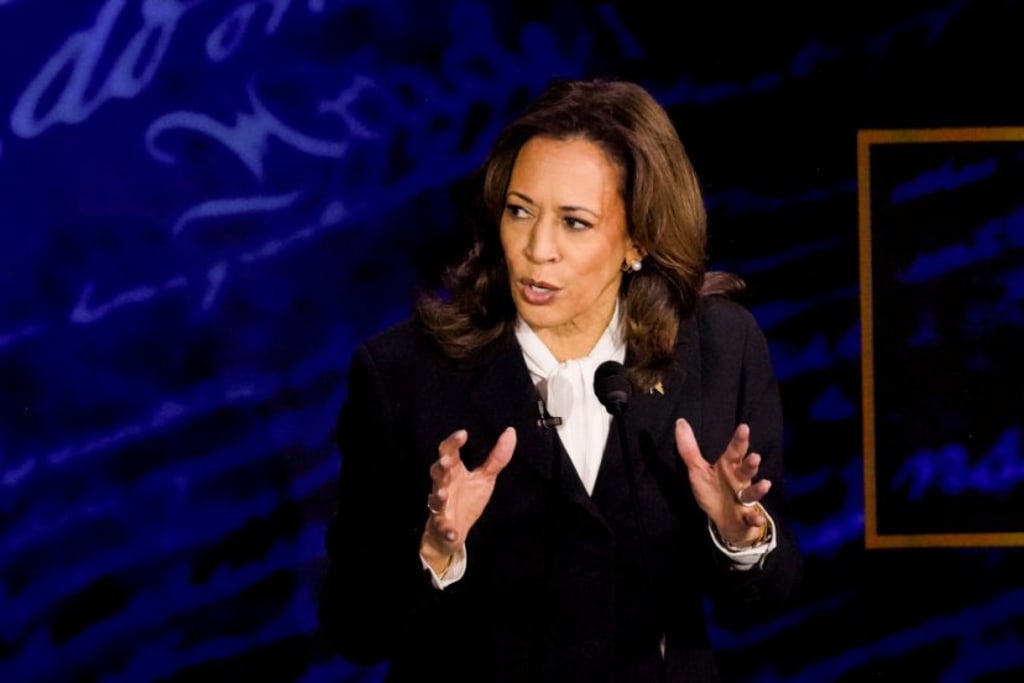
In a heated presidential debate held on September 10, 2024, Vice President Kamala Harris made a notable shift in her stance on fracking, which has become a hot topic in the 2024 election. This change, combined with the broader energy and climate discussions, highlights the evolving dynamics of American energy policy.
A couple of years ago, President Joe Biden signed the Inflation Reduction Act (IRA), a landmark piece of legislation aimed at combating climate change. With an estimated $370 billion allocated for emissions-reducing programs, the IRA was hailed as a major step towards a greener future. However, during the debate, Harris emphasized a different aspect of this law, arguing that it also enabled increased oil and gas drilling in the U.S. This shift in focus illustrates how the conversation around energy policy is changing, especially as election pressures mount.
Harris’ most striking reversal was her newfound support for fracking—a technology used to extract oil and gas from underground deposits. Back in 2019, Harris was vocal about her support for banning fracking due to environmental concerns. Fast forward to the debate stage, and she was now celebrating the "largest increase in domestic oil production in history" under the Biden Administration. Her statement suggested a more balanced approach to energy policy, where she now supports domestic fossil fuel production alongside advancing clean energy technologies.
This change in Harris’ position came amid relentless attacks from former President Donald Trump, who repeatedly claimed during the debate that Harris’ policies would be disastrous for the oil industry. Trump warned that if Harris were elected, "oil will be dead," using the issue to portray her as hostile to traditional energy sectors.
On the surface, the debate may seem like a straightforward clash over energy policies. Biden's administration has heavily invested in clean energy while also supporting increased oil and gas production to stabilize energy markets. In contrast, Republicans generally advocate for policies that favor fossil fuels more aggressively. However, Harris’ shift in stance indicates a nuanced approach to addressing energy needs and climate goals simultaneously.
The political landscape around energy has shifted significantly since the 2020 presidential election. Back then, the oil market was in turmoil due to the COVID-19 pandemic, with prices plummeting and the industry struggling. But geopolitical events, such as Russia’s 2022 invasion of Ukraine, led to fears of oil supply disruptions. In response, Biden called on American companies to boost oil production to counteract these disruptions.
Amid these changes, the focus of Democrats has shifted from pushing new climate policies to defending the existing ones. The IRA and other regulations face threats from potential future administrations that might seek to dismantle or alter them. Harris’ debate performance, with its emphasis on balancing fossil fuel production with clean energy investments, reflects this defensive stance.
Harris’ change in position on fracking also highlights the importance of Pennsylvania in the election. Pennsylvania is a critical swing state where fracking has significantly impacted the local economy. Supporting a fracking ban could be politically risky given the industry's importance in the state. By aligning with more moderate energy policies, Harris is likely aiming to appeal to voters in Pennsylvania and other states where fossil fuel industries play a major role.
While fracking has become a focal point in the debate, it’s crucial to recognize that a president alone cannot unilaterally ban fracking. Energy markets are influenced by a complex mix of factors including global demand, technological advancements, and regulatory changes. The role of the presidency is to shape policy, but broader market forces drive the energy sector.
Ultimately, Harris’ approach to energy policy suggests a pragmatic strategy—continuing to support clean energy initiatives while also acknowledging the ongoing role of fossil fuels in the American economy. As the debate over energy policy intensifies, voters should consider the broader context of these discussions and the practical implications of the policies proposed by both candidates.
In summary, Kamala Harris’ reversal on fracking and her focus on balancing energy policy reflect the complexities of modern energy politics. As the 2024 election approaches, understanding these nuances will be crucial for voters navigating the evolving landscape of energy and climate policy.
About the Creator
Krish
follow for more updates
Taher Saifuddin: Transforming Toronto’s Classrooms with Inclusive and Future-Focused Education
In the heart of Canada’s most diverse city, Toronto educator Taher Saifuddin is quietly leading a transformation in the way learning is delivered, measured, and experienced. With over two decades of experience, Taher is recognized for his dynamic role in teaching, academic leadership, and digital innovation across Toronto’s private and independent schools.
By Dena Falken Esq5 days ago in Education
What People Get Wrong About Consulting
Many people talk about consulting, but few understand what it truly involves. Movies, social media, and word of mouth often shape a narrow view. This creates confusion for students, business owners, and even new consultants. The topic of common misconceptions about consulting matters because these beliefs affect career choices and business decisions. When ideas are wrong, expectations break down fast.
By Nicole Metz5 days ago in Education
Center Stage with Paul Stewart
*** I'm keen to republish the interviews I did for my series with Vocal creators. It's been a few years and I thought it might be nice to revisit these wonderful conversations. I'll be releasing them one at a time for a few weeks/months.
By Heather Hubler3 days ago in Interview



Comments
There are no comments for this story
Be the first to respond and start the conversation.