
Justin Trudeau May Step Down as Liberal Party Leader This Week: Report
Speculation Surrounding Trudeau’s Exit

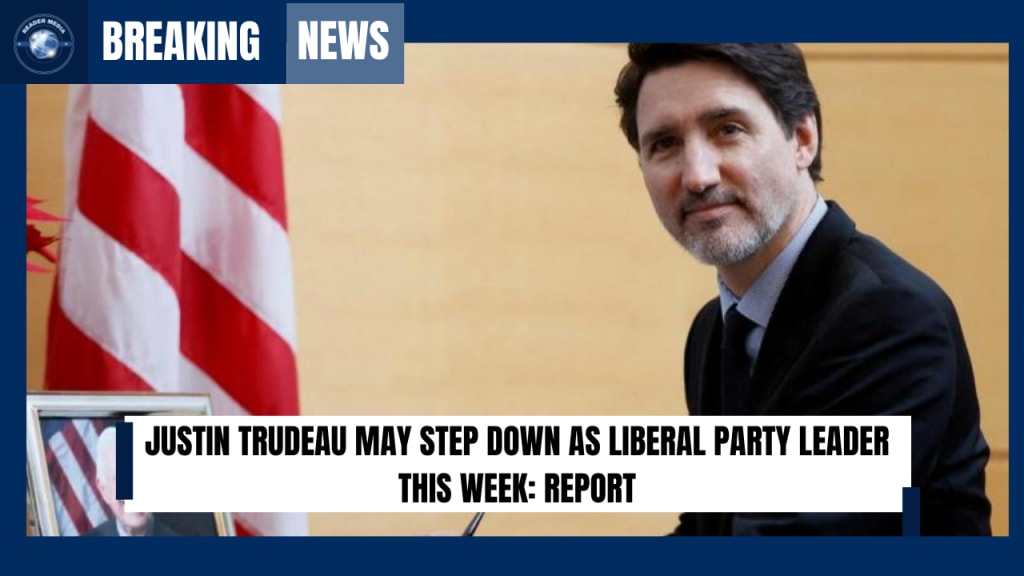
Canadian Prime Minister Justin Trudeau is reportedly on the verge of stepping down as the leader of the Liberal Party, according to multiple sources. This potential resignation could mark a significant shift in Canada’s political landscape. Insiders have suggested that Trudeau has recognized the importance of announcing his decision before meeting with the Liberal caucus to avoid speculation that he was forced out by his own party members.
Speculation Surrounding Trudeau’s Exit
While Trudeau has not made any official statements about his plans, three unnamed sources revealed that he is considering his next steps carefully. It remains unclear whether he will leave immediately after announcing his resignation or stay on as Prime Minister until a new leader is chosen. This uncertainty has fueled speculation within the Liberal Party and beyond. The party’s national executive group is expected to meet this week to discuss leadership matters, according to The Globe and Mail. This meeting could provide crucial insights into the next steps for both Trudeau and the party.
Mounting Pressure Within the Liberal Party
Trudeau has faced internal criticism for some time, but tensions have recently reached a boiling point. The situation escalated on December 16, when Finance Minister and Deputy Prime Minister Chrystia Freeland announced her resignation. Freeland, once seen as one of Trudeau’s closest allies, cited disagreements over financial policies and a lack of preparedness for potential tariffs from U.S. President-elect Donald Trump as key reasons for her departure.
In a publicly released resignation letter, Freeland criticized the government’s approach, stating, “We need to take [Trump’s tariff] threat extremely seriously. That means keeping our fiscal powder dry today, so we have the reserves we may need for a coming tariff war.” She also condemned what she called “costly political gimmicks” that she believed undermined the government’s credibility and the trust of Canadian citizens.
Freeland’s sudden resignation sent shockwaves through the party and raised serious questions about Trudeau’s leadership. Her departure appeared to embolden critics within the Liberal Party, who have been calling for a change in leadership.
Regional Caucuses Voice Discontent
Trudeau’s challenges are not limited to individual resignations. Several regional caucuses within the Liberal Party, including those in Atlantic Canada, Ontario, and Quebec, have reportedly expressed a lack of confidence in his leadership. Together, these regions account for 131 of the party’s 153 seats in the House of Commons—a significant portion of the Liberal Party’s power base. Losing support from these caucuses has created a major rift within the party and highlighted Trudeau’s declining influence.
Adding to the pressure, the New Democratic Party (NDP), which has supported Trudeau’s minority government in Parliament, has also called for his resignation. NDP leader Jagmeet Singh, in particular, has been vocal about his dissatisfaction with Trudeau’s leadership. On December 20, Singh took to X (formerly Twitter) to express his frustrations, writing, “Justin Trudeau failed in the biggest job a Prime Minister has: to work for people, not the powerful. The NDP will vote to bring this government down and give Canadians a chance to vote for a government who will work for them.”
This statement signaled that the NDP’s patience with Trudeau’s government has worn thin, and it further fueled speculation about an impending leadership change.
Leadership Transition and the Liberal Party’s Future
As pressure mounts, Trudeau has reportedly been consulting with his closest advisors and senior members of the Liberal Party to assess his position. In December, he informed Liberal MPs that he would take time over the holidays to reflect on his future. Over the past two weeks, discussions between Trudeau’s team and party leaders have intensified, focusing on whether he should remain in his role until a new leader is chosen.
The process of selecting a new leader, should Trudeau step down, is expected to be a critical moment for the Liberal Party. With no clear frontrunner to replace Trudeau, the party faces significant challenges in maintaining unity and preparing for the next federal election. A leadership race could provide an opportunity for renewal, but it could also expose deeper divisions within the party.
Trudeau’s Legacy and Challenges Ahead
If Trudeau resigns, it will mark the end of nearly a decade of leadership that began with his election as Prime Minister in 2015. During his tenure, Trudeau has faced both praise and criticism for his handling of major events, including the COVID-19 pandemic, environmental policies, and Canada’s role on the global stage.
However, his government has also been plagued by controversies and criticisms, ranging from ethics violations to economic challenges. Recent dissatisfaction among party members and voters alike has raised questions about his ability to continue effectively as Prime Minister.
For the Liberal Party, Trudeau’s departure could represent both a risk and an opportunity. While a new leader might bring fresh ideas and energy to the party, the transition also comes with uncertainties. The party will need to carefully navigate this leadership change to ensure it remains competitive in the next election.
What’s Next?
Canadians are now waiting for an official announcement from Trudeau, which is expected in the coming days. His decision will not only shape his political legacy but also influence the direction of the Liberal Party and the country’s political future.
Whether Trudeau resigns immediately or stays on temporarily, his departure will mark the end of an era in Canadian politics. As the Liberal Party prepares for this potential transition, the focus will be on uniting its members and selecting a leader who can address the challenges ahead. For now, the political spotlight remains firmly on Justin Trudeau and the decisions he will make in the days to come.
This content has been created by an AI language model and is intended to provide general information. While we strive to deliver accurate and reliable content, it may not always reflect the latest developments or expert opinions. The content should not be considered as professional or personalized advice. We encourage you to seek professional guidance and verify the information independently before making decisions based on this content.
This information is sourced from Yahoo
About the Creator
Reader Media News
Welcome to Reader Media – your go-to source for the latest news, expert insights, and in-depth articles across business, tech, health, entertainment, sports, and more. Stay informed and engaged with the world through quality content.
Keep reading
More stories from Reader Media News and writers in Education and other communities.
Wayne Osmond, Beloved Member of The Osmonds, Passes Away at 73
Wayne Osmond, a singer, guitarist, and one of the founding members of the legendary family music group The Osmonds, has passed away at the age of 73. He died earlier this week in Salt Lake City after suffering a massive stroke, according to a statement by his brother Merrill Osmond. The Associated Press also reported on the news.
By Reader Media Newsabout a year ago in Education
A School Morning Assembly
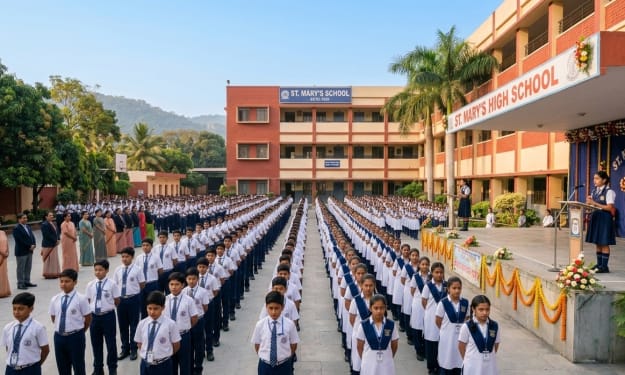
Morning assembly is an important activity in many schools. It is a daily gathering of students and teachers before the start of classes. Usually, the assembly takes place in the school ground or in a large hall. All the students stand in lines according to their classes while teachers supervise them. Morning assembly helps students begin their day in a disciplined and organized way. It also creates a positive environment for learning. The morning assembly usually begins with a prayer. The prayer helps students feel calm and focused. It gives them a peaceful start to the day. In many schools, the national anthem is also sung during the assembly. Singing the national anthem together creates a feeling of respect and love for the country. It also helps students feel united as members of the same school community.
By aadam khan6 days ago in Education
How Gamified Learning Platforms Are Transforming Modern Education
Education has entered a new digital era where traditional classroom methods are being supported by innovative technologies. Instead of relying solely on textbooks, lectures, and written exams, educators are now exploring interactive tools that make learning more engaging and effective. One of the most important innovations in modern education is the concept of gamified learning, which blends academic content with elements commonly found in digital games.
By Backlinks Cart3 days ago in Education



Comments
There are no comments for this story
Be the first to respond and start the conversation.