
John Amos: The Legacy of a Trailblazing Actor
Champion of Integrity and TV Icon

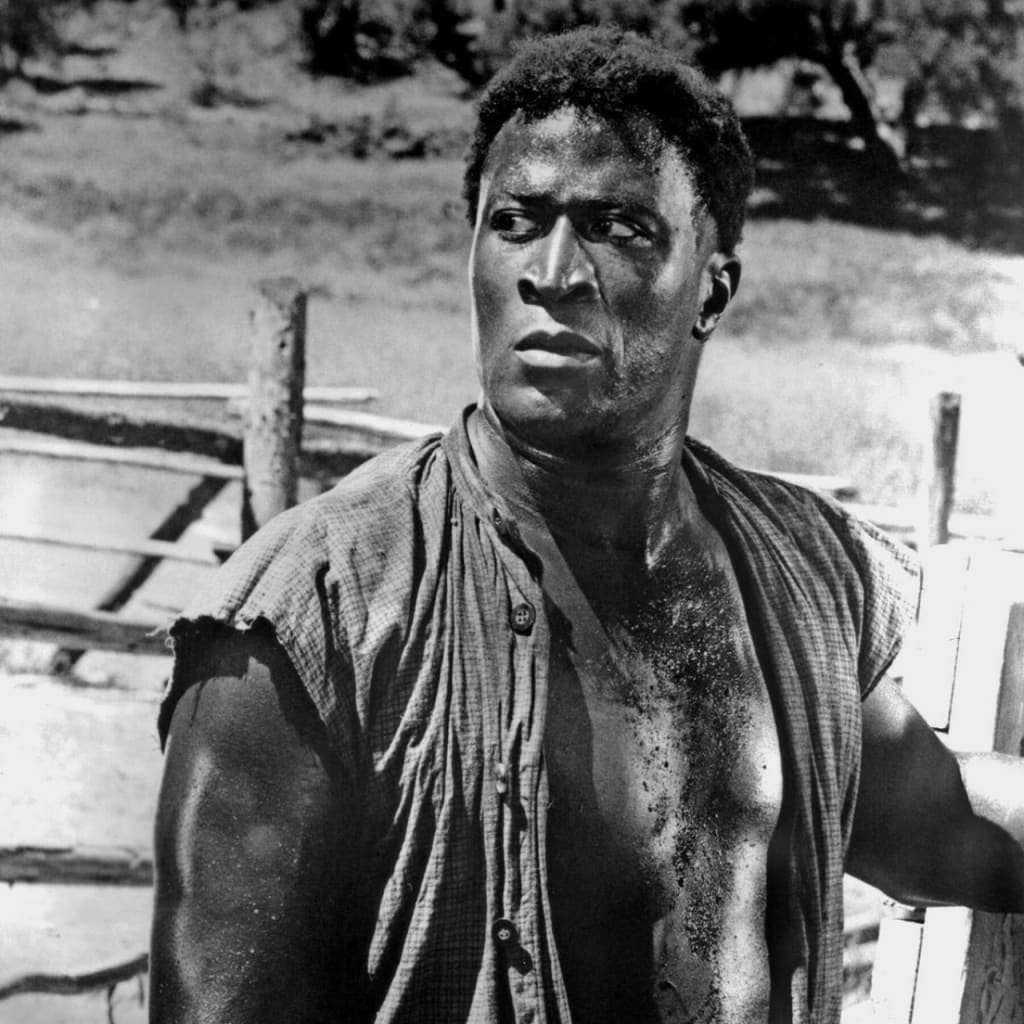
John Amos, an actor known for his pivotal roles in TV history, passed away on August 21, 2024, at the age of 84 in Los Angeles. His career was a blend of groundbreaking performances, deep integrity, and a fearless stance against demeaning portrayals of Black characters on screen. He became a household name through his roles in iconic TV shows such as Good Times and Roots, but his influence extended far beyond the screen.
A Journey from Football to Acting
John Amos didn't start out as an actor. In his early life, he had dreams of a football career, but after facing repeated injuries and being cut from over a dozen professional and minor-league teams, he shifted his focus to other avenues. In his twenties, Amos worked a variety of jobs, from ditch-digging and lumberjacking to restaurant management and social work. His foray into stand-up comedy gave him a way to channel his frustration and creativity, which eventually led him to pursue acting.
Amos quickly found solace in the world of entertainment. He often said that being on stage allowed him to "be other people without getting into trouble." It was this discovery that set him on the path to a career that would forever change television.
Breaking into TV
Amos faced challenges breaking into the industry, particularly in the late 1960s, when roles for Black actors were limited and often stereotypical. When he first attempted to pitch his ideas and writing to TV executives, his physical appearance—he was a large, athletic man—often led them to dismiss his potential for comedy. However, he didn't let that stop him.
In 1969, Amos became one of the first African Americans to write for a network TV show when he joined the writing team for The Leslie Uggams Show on CBS. Soon, he transitioned from behind the scenes to on-camera roles, landing small but notable parts in various TV series.
Good Times: A Groundbreaking Role
Amos’s career took a major leap in 1974 when he starred as James Evans in Good Times, a sitcom that portrayed a loving Black family living in a high-rise housing project in Chicago. This show was unique for its time because it depicted a two-parent Black family, something rare in TV portrayals. Amos took his role as the family patriarch very seriously. He often emphasized the responsibility he felt to portray a strong, caring father figure, knowing that millions of viewers, including his own children and father, were watching.
However, the success of Good Times came with its own struggles. Amos frequently clashed with the show’s all-White writing staff and creator Norman Lear. He felt that the show’s focus had shifted too much toward the antics of J.J. (played by Jimmie Walker), whose comedic catchphrase “Dy-no-mite!” became a hit but, in Amos’s view, overshadowed the serious themes of the show. These disagreements eventually led to Amos being fired from the show in 1976, and his character was killed off.
Despite the fallout, remains a milestone in TV history, with Amos’s role as James Evans standing out as a rare portrayal of a strong Black father figure on network television.
The Role of a Lifetime in Roots
Amos found his most profound role soon after leaving Good Times when he was cast as the adult Kunta Kinte in the 1977 miniseries Roots. The series, based on Alex Haley’s book, told the story of Kunta Kinte, an African man enslaved and brought to America, and traced his family's history across generations. Roots was a landmark in American television, reaching 130 million viewers and winning numerous awards. Amos’s portrayal of Kunta Kinte earned him an Emmy nomination and solidified his place in TV history.
Despite the widespread acclaim for Roots, Amos was selective about his future roles. He turned down parts that he felt were demeaning or stereotypical, preferring to wait for opportunities that reflected the dignity and complexity of Black characters.
A Career of Integrity
Amos's refusal to accept roles that portrayed Black characters in a negative light cost him many opportunities, but he never wavered in his commitment to representation. His experiences growing up in Newark, New Jersey, where he faced racism while helping to integrate schools, shaped his resolve to fight for better roles for Black actors.
Amos’s later career included memorable roles in films such as Coming to America (1988), where he played the proud owner of McDowell’s, a spoof of McDonald’s, and in action films like Die Hard 2 (1990). He also appeared in numerous TV shows, including recurring roles in The West Wing and The Fresh Prince of Bel-Air.
He continued to work throughout his life, even writing and performing a one-man show, Halley’s Comet, about an elderly man reflecting on his life. This show became a popular feature at regional theaters and Black arts festivals across the country.
A Legacy of Strength and Commitment
John Amos was not just an actor; he was a pioneer. He fought for better representation of Black characters on TV and in film at a time when such roles were few and far between. His roles in Good Times and Roots have left an indelible mark on American television, and his commitment to integrity in his work serves as an example for actors and creators today.
Amos’s legacy is one of perseverance, talent, and courage. He may be gone, but the impact he made on TV and film will continue to be felt for generations.
About the Creator
Keep reading
More stories from Black Rose and writers in Education and other communities.
Tragic Fall at Devils Tower: A Reminder of the Dangers of Rock Climbing
In a tragic incident, a 21-year-old rock climber lost his life after falling from Devils Tower National Monument in Wyoming. The climber, identified as Stewart Phillip Porter from Eau Claire, Wisconsin, sustained severe injuries in the fall, which took place on Sunday evening while he was rappelling down the iconic tower. This incident serves as a sobering reminder of the inherent risks involved in rock climbing, even at well-known locations like Devils Tower.
By Black Roseabout a year ago in Education
The Impact of Virtual Reality on Healthcare Innovation and Medical Practice
Virtual reality is steadily transforming the healthcare industry by offering immersive digital environments that support medical education, treatment planning, and patient care. Unlike traditional tools, VR allows healthcare professionals to interact with highly detailed simulations that replicate real medical situations. These interactive experiences provide opportunities for learning and preparation that were previously difficult to achieve through conventional training methods.
By Alex Kipman4 days ago in Education
Why the Sun Will Become a Red Giant: The Future of Our Solar System Explained
Every morning, the Sun rises as it has for billions of years, bathing Earth in light and warmth. To us, it feels permanent and unchanging. Yet in the vast timeline of the universe, the Sun is only halfway through its life.
By shahkar jalala day ago in Education
TUS NUA - ch 53
TUS NUA – ch 53 New Beginnings – Mia and Midnight (*)(*)(*) Finola knew Ali’s brother-in-law needed to put his mind at rest. She fed her arm through his and led him outside. “We’ll sit here. If you like, I can put a block around us so our conversation will be private.”
By Margaret Brennan7 days ago in Fiction




Comments
There are no comments for this story
Be the first to respond and start the conversation.