
Japan Travel Guide 2025: Complete Winter Guide for UAE Residents
Complete Japan travel guide 2025 for UAE residents. Winter destinations, visa process, costs, and simple tips for your perfect Japan holiday from Dubai.

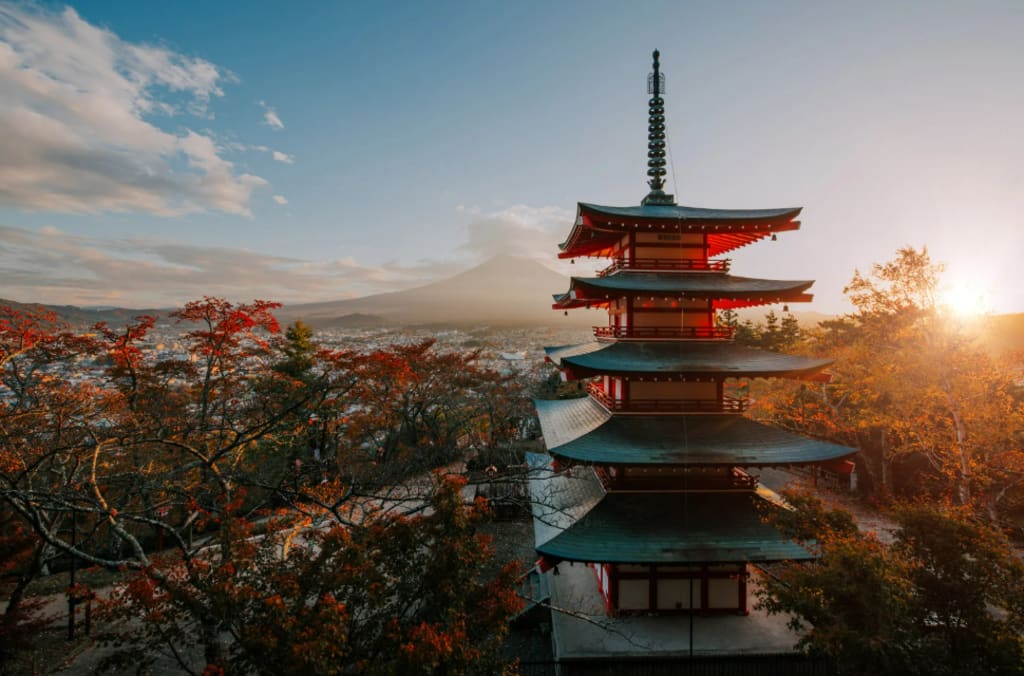
What You Will Learn Here
- Best places to visit in Japan during winter
- How to get Japan visa from UAE (simple steps)
- How much money you need for Japan trip
- What to pack and when to go
- Best food to try and cultural tips
- Simple travel planning steps
- Money saving tricks for Japan travel
Why Visit Japan in Winter 2025
Japan in winter is like stepping into a fairy tale book. From December to March, the country becomes a winter wonderland with snow, hot springs, and amazing festivals.
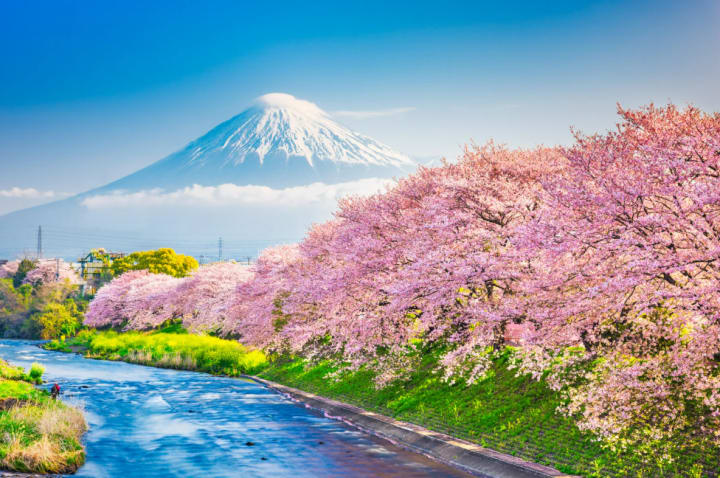
Here's why winter is the perfect time for UAE people to visit Japan:
- Perfect timing: UAE winter weather is comfortable for flying
- Less crowds: Fewer tourists than spring cherry blossom season
- Amazing snow: See real snow and winter activities
- Hot springs: Perfect way to warm up in cold weather
- Winter festivals: Special events you can't see other times
- Good flight deals: Often cheaper than peak seasons
Winter transforms Japan's landscape into snowy paradise, with famous spots like Nagano's snow-covered temples and Jigokudani Monkey Park where wild snow monkeys relax in hot springs.
Best Places to Visit in Japan During Winter
1. Tokyo - The Big City Winter Experience
Why Go: City lights, winter illuminations, and urban culture
Tokyo in winter is magical. The city covers itself with millions of lights, and you can experience both modern Japan and traditional culture.
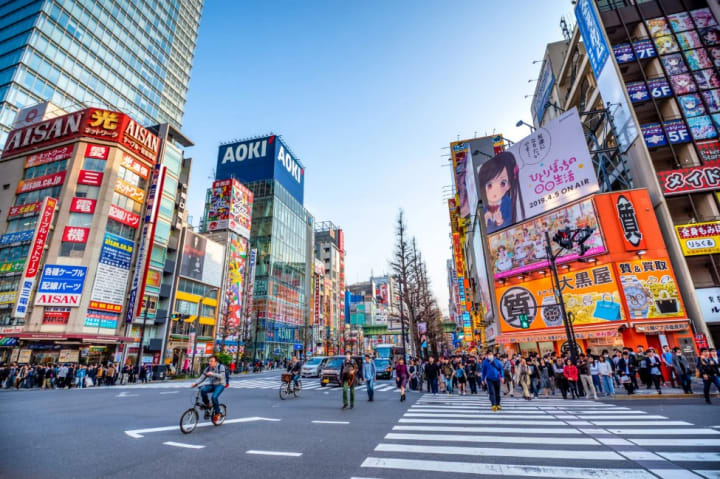
What You Can Do:
- See amazing winter light shows in Shibuya and Shinjuku
- Visit warm indoor attractions like teamLabs digital art museum
- Try hot street food from vending machines
- Shop in heated underground malls
- Visit traditional temples covered in snow
- Experience Tokyo Disneyland's winter decorations
Best Areas to Stay:
- Shibuya: Close to shopping and nightlife
- Shinjuku: Great for food and transport connections
- Asakusa: Traditional area with temples
Money Tips:
- Stay in business hotels (clean and affordable)
- Eat at convenience stores (good quality, very cheap)
- Buy Tokyo Metro day passes for transport
- Visit free observation decks instead of paid ones
2. Kyoto - Traditional Japan in Snow
Why Go: Beautiful temples, traditional culture, peaceful atmosphere
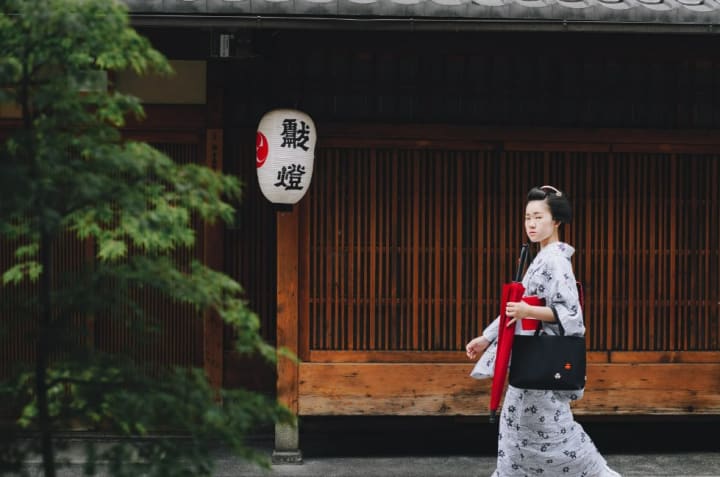
Kyoto is the old capital of Japan. In winter, the temples and traditional buildings look amazing, covered in snow.
What You Can Do:
- Visit the famous Golden Temple (Kinkaku-ji) in snow
- Walk through bamboo forests
- See geishas in traditional districts
- Try traditional tea ceremonies
- Visit peaceful zen gardens
- Experience traditional ryokan hotels
Must-See Places:
- Fushimi Inari Shrine (thousands of red gates)
- Arashiyama Bamboo Grove
- Gion district (traditional area)
- Kiyomizu-dera Temple
Cultural Tips:
- Be quiet in temples
- Don't touch anything without permission
- Remove shoes when entering traditional buildings
- Bow slightly when meeting people
3. Osaka - Food Paradise City
Why Go: Amazing food, friendly people, good base for day trips
Osaka is called "Japan's kitchen" because the food here is the best in Japan. Perfect for food lovers and budget travelers.
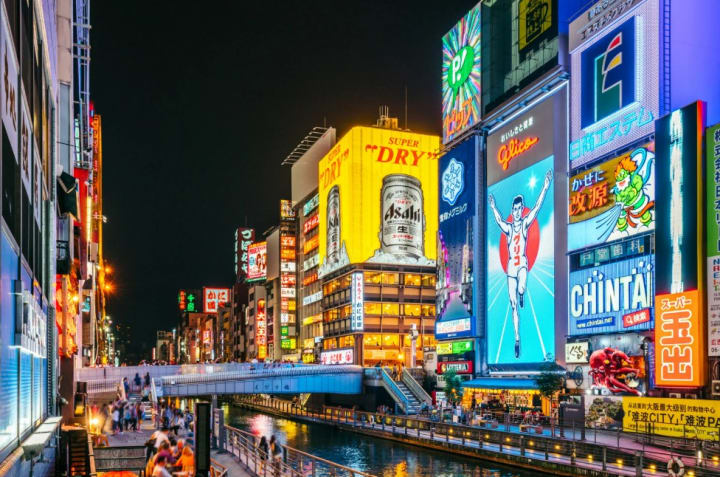
What You Can Do:
- Try takoyaki (octopus balls) - Osaka's famous food
- Visit Osaka Castle covered in snow
- Experience crazy nightlife in Dotonbori district
- Take day trips to nearby cities
- Visit Universal Studios Japan
- Eat at local markets and street food areas
Best Food to Try:
- Takoyaki (octopus balls)
- Okonomiyaki (savory pancakes)
- Ramen noodles (perfect for cold weather)
- Kobe beef (expensive but worth it)
- Fresh sushi and sashimi
Budget Food Tips:
- Eat at food courts in department stores
- Try convenience store meals
- Look for lunch set menus (much cheaper)
- Eat at local markets
4. Hokkaido - Snow and Outdoor Activities
Why Go: Best snow in Japan, winter sports, hot springs
Hokkaido is Japan's northern island. It has the most snow and is perfect for people who want to experience real winter.
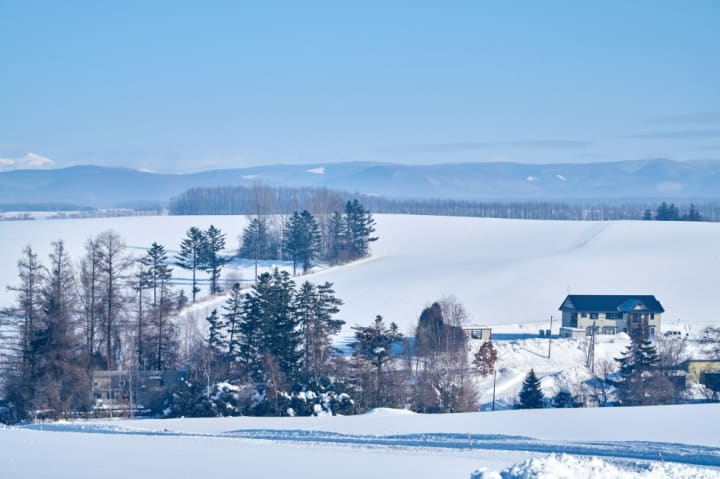
What You Can Do:
- Learn to ski or snowboard (many beginner slopes)
- See the famous Sapporo Snow Festival (February)
- Try fresh seafood (especially crab and sea urchin)
- Relax in natural hot springs outdoors
- Take horse-drawn sleigh rides
- See beautiful winter landscapes
Best Cities in Hokkaido:
- Sapporo: Main city with good facilities
- Niseko: World-famous skiing area
- Otaru: Beautiful canal and glass shops
- Hakodate: Famous morning seafood market
Winter Activity Tips:
- Rent equipment instead of buying
- Take lessons for skiing/snowboarding
- Dress in layers for warmth
- Book hot spring hotels in advance
5. Mount Fuji Area - Iconic Japan Experience
Why Go: See Japan's most famous mountain, and traditional hot springs
Mount Fuji is Japan's symbol. In winter, it's covered in snow and looks most beautiful.
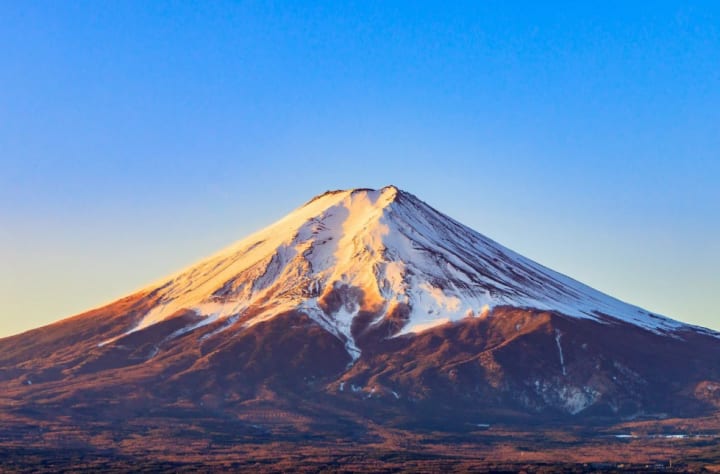
What You Can Do:
- Take photos of snow-covered Mount Fuji
- Stay in traditional hot spring hotels
- Visit Fuji Five Lakes area
- Try local specialties like Hoto noodles
- Take scenic train rides
- Visit traditional villages nearby
Best Views of Mount Fuji:
- Lake Kawaguchi (closest lake)
- Hakone area (hot springs and views)
- The bullet train between Tokyo and Osaka
Planning Tips:
- The Weather can change quickly in mountain areas
- Book accommodation early (very popular)
- Check weather before mountain trips
- Bring warm clothes, even for day trips
6. Nagano - Snow Monkeys and Mountains
Why Go: Famous snow monkeys, beautiful mountains, winter sports
Nagano is famous for its snow-covered temples and Jigokudani Monkey Park, where wild snow monkeys relax in steaming hot springs.
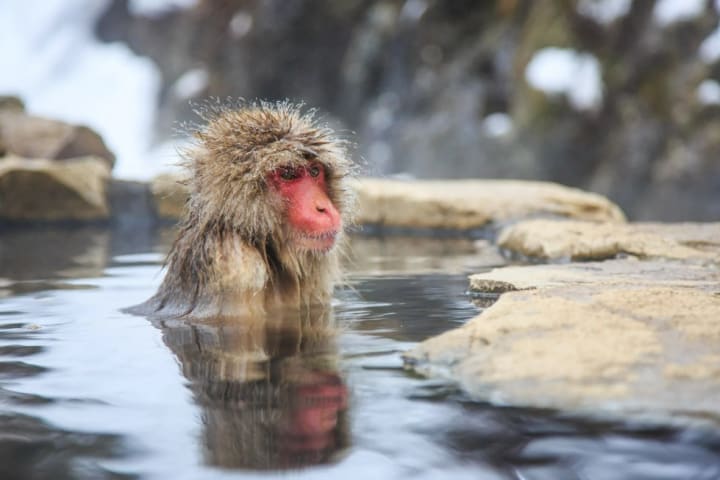
What You Can Do:
- Watch snow monkeys bathing in hot springs
- Visit historic temples in the snow
- Try skiing or snowboarding
- Stay in mountain hot spring hotels
- Try local mountain food
- Experience traditional Japanese hospitality
Snow Monkey Tips:
- Visit in the morning or late afternoon for the best photos
- Don't feed or touch the monkeys
- Wear good shoes (path can be slippery)
- Bring waterproof camera protection
Japan Visa for UAE Residents: Simple Step-by-Step Guide
Getting a Japan visa from UAE is now easier with the new e-visa system. Here's exactly what you need to do:
Step 1: Check if You Can Apply
Basic Requirements:
- UAE residency visa valid for at least 3 months
- Passport valid for at least 6 months from travel date
- Clean travel history with no legal or immigration issues
- You can stay up to 90 days with this visa
Step 2: Collect Your Documents
- Required Documents Checklist:
- Scanned passport copy (clear and complete)
- UAE residence visa copy
- Recent passport-sized photo (white background)
- Travel itinerary (flight bookings)
- Hotel booking confirmations
- 6-month bank statement showing adequate funds
- Employment certificate or business license
- Visa application form (filled completely)
- Additional Documents (if needed):
- Sponsor letter (if someone is paying for your trip)
- Letter of invitation (if staying with friends/family)
- Travel insurance (recommended)
Step 3: Apply Through VFS Global
Where to Apply:
- All visa applications are now handled by VFS Global (since August 2024)
- You need to book an appointment online
- VFS Global office is located in Dubai
- Application Process:
- Book appointment online at VFS Global website
- Fill out visa application form online
- Upload all required documents
- Pay visa fees online
- Attend appointment at VFS Global office
- Submit biometric data (fingerprints and photo)
Step 4: Wait for Processing
Processing Time:
- Normal processing: 4-7 business days
- Rush processing available for extra fee
- Apply within 90 days of your planned travel
- Visa Fees (approximate):
- Single entry tourist visa: 200-250 AED
- Processing fees: 50-100 AED
- Rush processing: Extra 100-150 AED
Step 5: Receive Your Visa
What You Get:
- Single entry e-visa valid for up to 90 days
- Period of stay can be 15, 30, or 90 days
- Electronic visa sent to your email
- Print copy for travel (keep digital copy as backup)
Important Visa Tips:
- Check all information before submitting
- Keep visa copy on your phone and printed
- UAE residence visa must be valid when returning from Japan
- Don't book flights before getting visa approval
How Much Money Do You Need for Japan Trip
- Japan can be expensive, but with smart planning, you can visit on different budgets:
- Budget Travel (400-600 AED per day)
Accommodation:
- Stay in hostels or capsule hotels: 80-150 AED per night
- Business hotels: 150-250 AED per night
Food:
- Convenience store meals: 15-25 AED
- Local restaurants: 25-50 AED per meal
- Street food and markets: 10-30 AED
Transport:
- Local trains and buses: 30-80 AED per day
- Private guided tours: 1,000-2,000 AED per day
- 7-day JR Pass: 1,000 AED (good value for multiple cities)
Activities:
- Temple visits: Free to 20 AED
- Museums: 20-50 AED
- Hot springs: 50-100 AED
- Mid-Range Travel (600-1,000 AED per day)
- Exclusive cultural experiences: 500-1,500 AED
Money-Saving Tips for Japan:
- Buy JR Pass before traveling: Much cheaper than individual tickets
- Eat at convenience stores: High quality, very affordable
- Stay in business hotels: Clean, efficient, good value
- Use free wifi: Available in most public places
- Visit free attractions: Many temples, parks, and markets are free
- Shop at 100-yen stores: Great for souvenirs and daily items
- Use discount passes: Many cities offer tourist day passes
- Eat lunch sets: Much cheaper than dinner at same restaurants
When to Visit Japan: Month-by-Month Guide
December
Weather: Cold (5-15 C), occasional snow in mountains Good for: Christmas illuminations, fewer crowds, hot springs Events: Christmas markets, winter illuminations start What to pack: Warm clothes, waterproof jacket
January
Weather: Coldest month (0-10 C), more snow Good for: New Year celebrations, winter sports, hot springs Events: New Year festivities, hatsumode (first shrine visit) Special tip: Many shops close January 1-3 for holidays
February
Weather: Still cold (2-12 C), peak winter Good for: Plum blossoms, winter festivals, skiing Events: Sapporo Snow Festival, plum blossom viewing Best deals: Often cheapest month for flights and hotels
March
Weather: Getting warmer (8-18 C), less snow Good for: Early cherry blossoms, comfortable walking weather Events: Early cherry blossoms in southern Japan Planning tip: Book early for cherry blossom season
What to Pack for Japan Winter Trip
Essential Clothing:
- Warm jacket: Waterproof and windproof
- Layers: Thermal underwear, sweaters, cardigans
- Waterproof shoes: For walking on wet/snowy streets
- Warm accessories: Hat, gloves, scarf
- Comfortable walking shoes: For indoor wear (you'll remove shoes often)
Electronics and Gadgets:
- Power adapter: Japan uses Type A plugs
- Portable battery: For long sightseeing days
- Waterproof phone case: For snow and rain
- Camera: For amazing winter scenery
- Translation app: Google Translate works offline
Personal Items:
- Moisturizer: Cold weather makes skin dry
- Lip balm: Essential in cold weather
- Hand warmers: Buy in Japan, very useful
- Small backpack: For daily sightseeing
- Cash: Japan is still mostly cash-based
Cultural Items:
- Conservative clothes: For temple visits
- Indoor shoes: Many places require shoe removal
- Small towel: Public baths don't provide towels
- Business cards: If meeting Japanese people
Japanese Culture and Customs: Simple Guide
Basic Etiquette:
- Bow slightly when meeting people (small nod is enough)
- Remove shoes when entering homes, temples, some restaurants
- Don't eat while walking - find a place to sit or stand
- Be quiet on trains - no loud talking or phone calls
- Don't tip - tipping is not expected in Japan
Temple and Shrine Etiquette:
- Bow before entering temple or shrine grounds
- Wash hands and mouth at purification fountain
- Don't touch religious statues or objects
- Take photos quietly (check if photography is allowed)
- Dress modestly - cover shoulders and knees
Dining Etiquette:
- Say "itadakimasu" before eating (like saying grace)
- Say "gochisousama" after finishing meal (thank you for the meal)
- Don't stick chopsticks upright in rice bowl
- Don't pass food chopstick to chopstick
- Slurping noodles is okay - actually shows you enjoy them
Hot Spring (Onsen) Rules:
- Shower completely before entering hot spring water
- Don't wear any clothes in the hot spring
- Bring a small towel but don't put it in the water
- Stay quiet and relaxed
- Don't drink alcohol before using hot springs
Getting Around Japan: Simple Transport Guide
Japan Rail Pass (JR Pass):
- What it is: Unlimited travel on JR trains for fixed period
- Cost: 7-day pass: ~1,000 AED, 14-day pass: ~1,600 AED
- Good for: Multiple city trips, bullet trains (shinkansen)
- How to buy: Must buy before arriving in Japan
- Where to use: All JR trains, buses, and ferries
Local Transportation:
- IC Cards: Rechargeable cards for all public transport
- Popular cards: Suica (Tokyo), Icoca (Osaka/Kyoto)
- Cost: 20 AED deposit + money for travel
- Benefits: Works on trains, buses, and many shops
Taxis:
- When to use: Short distances, when carrying luggage
- Cost: Expensive (starting ~15 AED, then ~3 AED per 280m)
- Tips: Doors open automatically, most drivers don't speak English
- Apps: Use Google Maps or local taxi apps
Domestic Flights:
- When useful: Tokyo to Hokkaido, long distances
- Airlines: ANA, JAL, Jetstar, Peach
- Cost: Often competitive with bullet trains
- Booking tip: Book early for better prices
Best Food to Try in Japan
Must-Try Dishes:
- Ramen (Hot Noodle Soup):
- Perfect for cold weather
- Different styles: miso, shoyu, tonkotsu
- Cost: 25-50 AED per bowl
- Where: Ramen shops everywhere, try different styles
Sushi and Sashimi:
- Fresh fish, highest quality in Japan
- Cost: 50-200+ AED depending on restaurant
- Tip: Try conveyor belt sushi for budget option
- Best: Tsukiji Fish Market area in Tokyo
- Takoyaki (Octopus Balls):
- Osaka specialty, street food
- Hot balls with octopus inside
- Cost: 15-25 AED for portion
- Where: Street stalls, especially in Osaka
Tempura:
- Light, crispy fried vegetables and seafood
- Cost: 40-100 AED for set meal
- Best: Specialist tempura restaurants
- Tip: Eat immediately while hot and crispy
Yakiniku (Japanese BBQ):
- Grill meat at your table
- Social dining experience
- Cost: 80-200 AED per person
- Perfect for: Group dining, cold weather
Traditional Sweets:
- Mochi (rice cakes), especially in winter
- Dorayaki (pancake sandwich)
- Taiyaki (fish-shaped pastry)
- Cost: 10-30 AED each
Where to Eat:
- Department Store Food Courts:
- High quality, reasonable prices
- Usually on basement floors (depachika)
- Good for: Trying different foods in one place
Convenience Stores:
- Surprisingly good quality food
- Available 24/7
- Cost: 10-40 AED per meal
- Best: 7-Eleven, FamilyMart, Lawson
Local Markets:
- Fresh, cheap, authentic
- Morning markets are best
- Good for: Breakfast, fresh seafood
- Famous: Tsukiji Market (Tokyo), Kuromon Market (Osaka)
Simple 7-Day Japan Itinerary for First-Time Visitors
Day 1: Arrive in Tokyo
- Land at Narita or Haneda Airport
- Take train to hotel in Shibuya or Shinjuku
- Walk around area, try convenience store food
- See winter illuminations in evening
- Rest and adjust to time difference
Day 2: Tokyo Sightseeing
- Morning: Visit Sensoji Temple in Asakusa
- Afternoon: Explore Harajuku and Omotesando
- Evening: Shibuya Crossing and surrounding area
- Food: Try ramen for lunch, izakaya for dinner
Day 3: Day Trip from Tokyo
- Option A: Mount Fuji area (Hakone or Kawaguchi)
- Option B: Nikko (temples and nature)
- Evening: Return to Tokyo, relax
Day 4: Travel to Kyoto
- Morning: Take bullet train to Kyoto (3.5 hours)
- Afternoon: Check into hotel, explore Gion district
- Evening: Try kaiseki dinner or local restaurants
Day 5: Kyoto Temples and Culture
- Morning: Kinkaku-ji (Golden Pavilion)
- Afternoon: Fushimi Inari Shrine
- Evening: Walk through Gion, maybe see geisha
Day 6: Osaka Day Trip
- Morning: Take train to Osaka (1 hour from Kyoto)
- Afternoon: Osaka Castle, Dotonbori district
- Evening: Try takoyaki and local food
- Night: Return to Kyoto or stay in Osaka
Day 7: Return Home
- Morning: Last-minute shopping in Kyoto or Tokyo
- Afternoon: Travel to airport
- Tips: Leave extra time for airport procedures
- Alternative: Add Hokkaido (10-day trip)
- Days 1-3: Tokyo
- Days 4-6: Kyoto/Osaka
- Days 7-9: Hokkaido (skiing, snow monkeys)
Day 10: Return
Quick Summary: Your Japan Winter 2025 Guide
Japan in winter 2025 offers incredible experiences for UAE residents. From snow-covered temples to steaming hot springs, it's a perfect winter escape.
Best Places to Visit:
- Tokyo: City lights, urban culture, convenient base
- Kyoto: Traditional temples, cultural experiences
- Osaka: Amazing food, friendly atmosphere
- Hokkaido: Best snow, winter sports, unique experiences
- Mount Fuji area: Iconic views, traditional hot springs
Visa Process:
- Check eligibility (UAE residence visa valid 3+ months)
- Collect documents (passport, photos, bank statements)
- Apply through VFS Global with appointment
- Wait 4-7 days for processing
- Receive e-visa by email
Budget Planning:
- Budget travel: 400-600 AED per day
- Mid-range travel: 600-1,000 AED per day
- Luxury travel: 1,000+ AED per day
- Big savings: JR Pass, convenience store food, business hotels
Essential Tips:
- Learn basic etiquette (bowing, shoe removal)
- Carry cash always (Japan is cash-based)
- Pack warm clothes and layers
- Book accommodation early
- Try local food (amazing quality)
- Use public transport (efficient and clean)
Best Time to Visit:
- December: Christmas lights, fewer crowds
- January: New Year culture, coldest month
- February: Winter festivals, plum blossoms
- March: Getting warmer, early cherry blossoms
Cultural Highlights:
- Experience hot springs (onsen)
- Try authentic Japanese food
- See traditional temples and shrines
- Experience Japanese hospitality (omotenashi)
- Learn about Japanese history and culture
Japan offers an unforgettable winter experience combining ancient traditions with modern innovations. The country's efficiency, safety, and unique culture make it perfect for UAE residents seeking a different kind of winter holiday.
Start planning your Japan adventure now - book your visa appointment early, research your destinations, and get ready for the trip of a lifetime!
About the Creator
Keep reading
More stories from Rilwan Hussain and writers in Education and other communities.
Top 10 Countries You Should Visit in Winter 2025: Simple Guide for UAE People
What You Will Learn Here Best 10 countries to visit in winter 2025 How much money you need Which countries don't need visa Simple tips to plan your trip What documents you need How to save money on travel
By Rilwan Hussain6 months ago in Education
The Impact of Virtual Reality on Healthcare Innovation and Medical Practice
Virtual reality is steadily transforming the healthcare industry by offering immersive digital environments that support medical education, treatment planning, and patient care. Unlike traditional tools, VR allows healthcare professionals to interact with highly detailed simulations that replicate real medical situations. These interactive experiences provide opportunities for learning and preparation that were previously difficult to achieve through conventional training methods.
By Alex Kipman4 days ago in Education
Why the Sun Will Become a Red Giant: The Future of Our Solar System Explained
Every morning, the Sun rises as it has for billions of years, bathing Earth in light and warmth. To us, it feels permanent and unchanging. Yet in the vast timeline of the universe, the Sun is only halfway through its life.
By shahkar jalal2 days ago in Education




Comments
There are no comments for this story
Be the first to respond and start the conversation.