
Jaguars in Mexico: A Symbol of Resilience and Biodiversity
Exploring Conservation Triumphs, Threats, and Future Challenges for Mexico's Iconic Predator

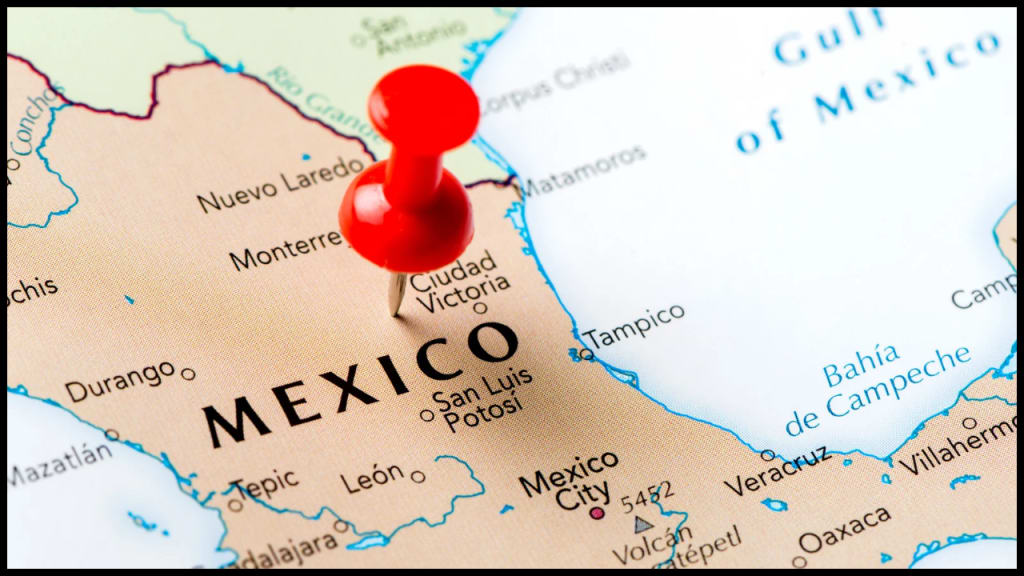
Start writing...Jaguars in Mexico: Conservation Success and Future Challenges
Hello friends,
Read on to learn about the conservation success and future challenges of jaguars in Mexico. Discover how protected areas, wildlife corridors, and community efforts protect iconic predators, including threats from habitat loss, poaching, and climate change.
With its position at the top of the food chain, as an apex predator, and also a cultural symbol of strength and resilience, jaguars have been integral to Mexico's ecosystems for a long time. It is one of the majesty cats, featured in its spotted coat and stealth, vital to biodiversity in tropical and subtropical forests. Yet survival remains an ongoing threat by habitat destruction, illegal poaching, and human-wildlife conflict. Still, there are conservation successes in Mexico that create promise for jaguar populations. This article delves into these triumphs and barriers on the horizon.
The Role of Jaguars in Mexican Ecosystems
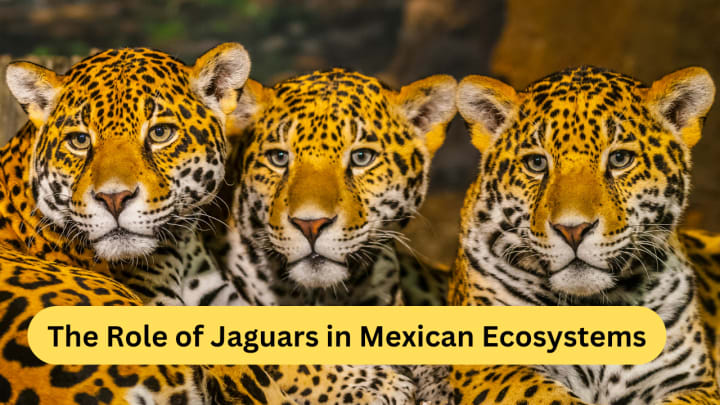
Jaguars are not just top predators but rather keystone species sustaining the delicate balance of their ecosystems. They impose regulations on herbivore populations, such as deer, that help prevent overgrazing and promote forest regeneration. Jaguars also interact with prey populations and behaviors, which affects the nature of a food web dynamic across their range.
The species has Approximately half of the total jaguar population in Latin America resides in Mexico, making it a crucial stronghold. It spans a variety of ecological niches- from tropical rainforests in the Yucatán Peninsula, and the arid parts of Sonora.
Conservation Success Stories in Mexico

National Jaguar Census
The National Jaguar Census started in 2008, represented the cornerstone for jaguar conservation in Mexico. The census showed a promising rise in jaguar numbers - approximately from 4,000 in 2010 to 4,800 in 2018. This is also due to more effective conservation activity and protection of the habitat.
Protected Areas
Mexico has established several reserves and national parks to be jaguar habitats, such as Calakmul Biosphere Reserve and Montes Azules Biosphere Reserve. These secure habitats are jaguar-safe zones free from human disturbance.
Wildlife Corridors
This has significantly succeeded in linking disrupted habitats and allows jaguars the freedom to move and reproduce without lowering genetic variability. The risk of inbreeding is very low, and the populations are rather sound.
Community Engagement Programs
Local communities also take part in jaguar conservation through education and eco-tourism programs. Organizations, such as the National Jaguar Conservation Alliance, collaborate with ranchers and farmers to reduce human-jaguar conflict, thereby decreasing retaliatory killings.
Threats Currently Confronted by Jaguars Conservation in Mexico
Although there are gains, there are several threats that still face jaguars in Mexico:
1. Habitat Loss
Agriculture, cattle grazing, and urbanization are still the largest problems faced. Between 2001 and 2020, Mexico lost around 7.9% of its forest cover, directly affecting the jaguar's habitats.
2. Wildlife Smuggling
Jaguars are hunted for their pelts, jaws, and other parts, which is traded in the black market. This illegal trade is due to the demand for exotic products and traditional medicine.
3. Human-Wildlife Conflict
The increasing human settlement trespassing into the jaguar territory evokes a clash, as jaguars begin to raid and kill livestock. This often ends in the killing of jaguars by the ranchers.
4. Climate Change
Changing rainfall patterns and rising temperature threaten the jaguar habitat and their prey. Coastal areas especially mangrove forests are expected to become inundated, which further minimizes the habitats.
Future Challenges and Solutions
Only through adapted conservation strategies can jaguars across Mexico endure in the long run, considering these increasingly challenging issues:
1. Expanding and maintaining wildlife corridors will be crucial for countering fragmented habitats. Wildlife corridors should connect key reserves and allow jaguars to safely move through larger landscapes.
2. Promoting Sustainable Land Use
Adoption of sustainable agricultural practices, such as agroforestry, can reduce habitat loss while supporting local economies.
3. Combating Illegal Trade
Greater enforcement of anti-poaching legislation and global cooperation in breaking down wildlife trafficking networks are necessary.
4. Climate Change Mitigation
Proactive measures, such as the conservation of mangroves and other coastal habitats, can mitigate climate change impacts. Further jaguar adaptability research will inform future conservation work.
5. Community-Based Conservation
Expanding community engagement programs can promote coexistence between humans and jaguars. Subsidies for nonlethal deterrents, such as guard dogs or better livestock enclosures, can help dissipate the means and opportunities of wildlife-human conflict.
Technology in Jaguar Conservation
Technology has transformed wildlife conservation:-
Camera Traps: These devices monitor jaguar populations and behaviors without the presence of humans.
GPS Tracking Collars: Tracking helps identify critical habitats and migration corridors that jaguars use.
AI and Big Data: Advanced algorithms can analyze camera trap data and satellite imagery allowing researchers to identify jaguar habitats and threats.
International Significance of Jaguar Conservation
Maintaining jaguars in Mexico has implications beyond national borders. Jaguars are umbrella species, and saving their habitats benefits thousands of other species, from monkeys and birds to plants and insects. Jaguars also serve as a cultural symbol in Mesoamerican countries, representing strength and resilience. Their survival is an indicator of the health of ecosystems in Mexico and of its commitment to biodiversity.
Call to Action: What You Can Do
Even individuals can contribute to jaguar conservation:
Support Conservation Organizations: Donate to groups like Panthera or the National Jaguar Conservation Alliance.
Promote Eco-Tourism: Visit reserves responsibly to support local economies and conservation efforts.
Raise Awareness: Share information about jaguar conservation on social media to inspire others.
Consume Responsibly: Choose sustainable products that do not contribute to deforestation.
Conclusion
Jaguars in Mexico embody a delicate balance with nature. Conservation success stories of jaguars report the collaborative efforts of governments, scientists, and local communities to ensure these wonderful creatures' survival and adapt to ongoing threats and challenges. It is with our capacity to highlight these wonderful beings and their situations that we safeguard them and, therefore, the ecosystems dependent on them.
Preserving jaguars is not just a question of saving a species, but of keeping the intricate web of life that each jaguar represents. Let us act now to ensure the beauty and the majesty of the jaguar under wild skies are enjoyed by generations yet to come.
FAQs
1. Why are jaguars crucial to Mexico's ecosystems?
Jaguars are keystone species that regulate populations of prey, prevent ecological imbalance, and otherwise promote forest health by stopping overgrazing.
2. How many jaguars are remaining in Mexico?
According to the latest National Jaguar Census, there exist approximately 4,800 jaguars in Mexico, showing an increase in population thanks to the conservation efforts done.
3. What are the biggest threats to jaguars in Mexico?
The largest threats include habitat destruction, illegal poaching, human-wildlife conflict, and climate change.
4. What are wildlife corridors and why are they crucial for jaguars?
Wildlife corridors link separated habitats, thus enabling jaguars to roam, hunt, and mate freely, reducing the risks of inbreeding.
5. How does climate change affect jaguars?
Climate change disrupts habitats, alters prey availability, and increases the risk of extreme weather events, making survival harder for jaguars.
6. What conservation efforts have been successful in Mexico?
Establishment of protected areas, wildlife corridors, community education programs, and the National Jaguar Census.
7. Can jaguars coexist with humans?
Yes, through community engagement programs, better livestock management, and eco-tourism, coexistence can be allowed while minimizing conflicts.
8. Are jaguars in Mexico protected by law?
Yes, jaguars are protected by law, and Mexican wildlife laws, along with its habitats, have conservation programs.
9. What is the importance of technology regarding jaguar conservation?
Technologies such as camera traps, GPS collars, and AI data analysis help monitor jaguar populations and track their movement.
10. How can individuals contribute to jaguar conservation?
You can donate to conservation organizations, support eco-tourism, raise awareness, and choose sustainable products to help protect jaguar habitats.
About the Creator
Kalpesh Vasava
"Storyteller | Creative Writer | Passionate Explorer of Ideas"
I’m a dedicated writer with a love for sharing compelling stories and inspiring readers through words. My content explores diverse topics such as...
Ielievenreatingeaningftabl
Keep reading
More stories from Kalpesh Vasava and writers in Education and other communities.
Analysis: Detailed analysis of India Budget 2025
Analysis: Detailed analysis of India Budget 2025 Explore the key highlights, challenges, and expectations of Budget 2025 in India. Learn about infrastructure, healthcare, tax reforms, sustainability, and more. Includes 7 FAQs for a complete understanding of India's economic roadmap.
By Kalpesh Vasava12 months ago in Education
Do you really need to take 10,000 steps a day?
While most people avoid spending the night in jail, Jean Béliveau jumped at the opportunity. For the past three years, Béliveau had been walking from country to country, with the goal of circumnavigating the globe on foot. This required sleeping in tents, strangers’ homes, and the occasional jail cell along the way. But this morning, as Béliveau was ready to leave, the police chief, who had agreed to his sleeping arrangement, was nowhere to be found, and the guards weren’t buying his story. Few people have the time or desire to walk such extreme lengths.
By Munesh Yadavabout 15 hours ago in Education
What’s the best position to sleep in?
In the 1970s, psychoanalyst Samuel Dunkell proposed a curious, albeit almost completely unsubstantiated, theory that the position you sleep in reflects your personality. For example, preferring to snooze in the so-called royal position indicated self-confidence, while sleeping semi-fetal meant you’re sensible and well adjusted. While Dunkell’s ideas lack any definitive proof, how we sleep can impact our health. So, what’s the best position to sleep in? Sleep positions go by countless creative names—
By Munesh Yadav3 days ago in Education




Comments
There are no comments for this story
Be the first to respond and start the conversation.