
JOurney to lalibela(underground church)
Observe on your own eys
"Exploring the Ancient Wonders of Lalibela
: 
Lalibela, a small town nestled in the highlands of Ethiopia, holds within its ancient roots a captivating tale of history and faith. As I embarked on my journey to this mystical place, I was filled with awe and anticipation, knowing that I was about to witness the remarkable underground churches that have made Lalibela famous worldwide. Join me as we delve into the depths of Lalibela's past and explore the architectural wonders that have stood the test of time.
Introduction to Lalibela and its Historical Significance
Lalibela, named after the revered King Lalibela of the Zagwe dynasty, is a UNESCO World Heritage Site and a place of great religious importance for Ethiopian Orthodox Christians. This hidden gem, located in the Amhara region of Ethiopia, is often referred to as the "New Jerusalem" due to its architectural resemblance to the original holy city. Lalibela's underground churches are not only a testament to the remarkable engineering skills of its creators but also a reflection of the deep faith and devotion of the Ethiopian people.
The Legend Behind the Creation of Lalibela's Underground Churches
Legend has it that Lalibela, inspired by a divine vision, embarked on a mission to build a "New Jerusalem" in Ethiopia. According to the story, angels descended from heaven to help Lalibela in his quest, carving the churches out of solid rock under his guidance. This mystical tale adds an air of enchantment to the already awe-inspiring structures. As I stood before the underground churches, I couldn't help but marvel at the intricacy and precision of their construction. Each church is a masterpiece, meticulously carved out of a single rock, showcasing Lalibela's vision and the dedication of those who brought it to life.
A Closer Look at the Architectural Wonders of Lalibela
The architectural brilliance of Lalibela's underground churches is a sight to behold. The churches are interconnected by a network of tunnels and passageways, creating a labyrinthine experience for visitors. The rock-hewn structures feature intricate carvings, delicate arches, and beautifully crafted windows. The attention to detail is evident in every nook and cranny, with religious symbols adorning the walls and ceilings. As I explored the churches, I marveled at the advanced engineering techniques employed centuries ago, with pillars supporting the massive rock ceilings and drainage systems designed to withstand the test of time.
Exploring the Famous Rock-Hewn Churches of Lalibela
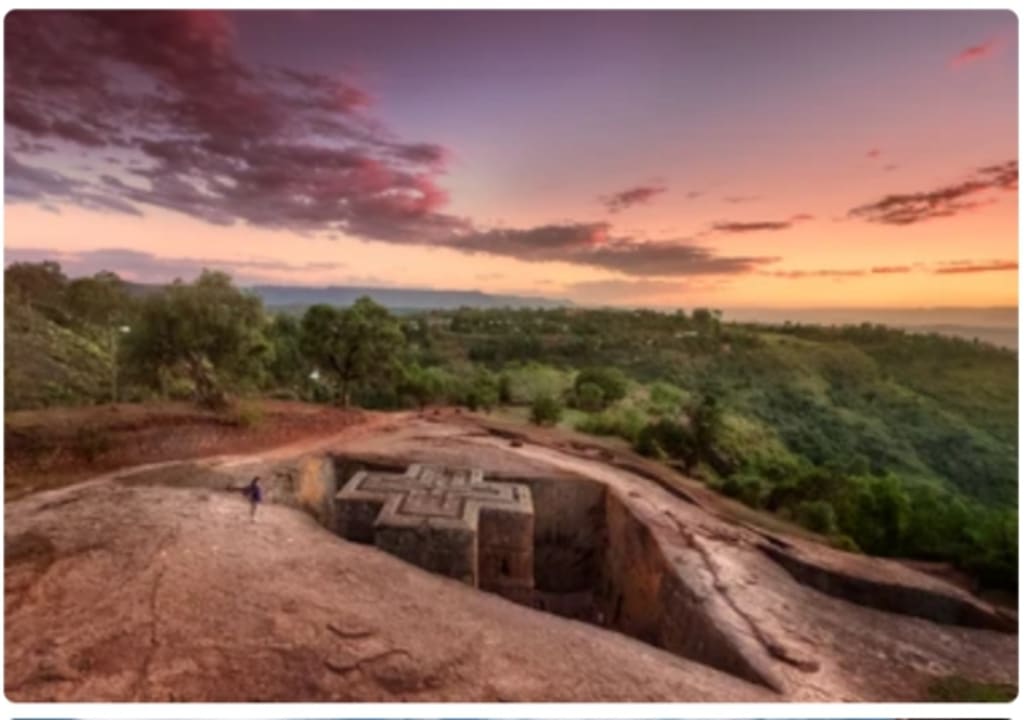
Lalibela is home to eleven rock-hewn churches, each with its unique charm and significance. One of the most famous churches is the Church of Saint George, carved in the shape of a cross. This iconic structure, adorned with intricate carvings and surrounded by a deep trench, is a symbol of Lalibela's spiritual heritage. Other notable churches include the Church of Saint Mary, known for its beautiful frescoes, and the Church of Saint Emmanuel, which houses ancient religious artifacts. Exploring these churches is like stepping back in time, immersing oneself in the rich history and spirituality that Lalibela has to offer.
The Religious and Cultural Significance of Lalibela's Churches
Lalibela's underground churches hold immense religious and cultural significance for the Ethiopian Orthodox Christian community. These sacred spaces are not merely architectural wonders but also places of worship and pilgrimage. Every year, thousands of pilgrims flock to Lalibela to celebrate religious festivals and partake in spiritual rituals. The churches serve as a testament to the enduring faith of the Ethiopian people and provide a tangible connection to their religious heritage. The vibrant ceremonies and heartfelt prayers that fill the air in Lalibela create an atmosphere of reverence and devotion that is truly awe-inspiring.
About the Creator
Keep reading
More stories from writers in Education and other communities.
Innovation and Adaptability in Action: How to Thrive in a Fast-Changing World
The modern world changes fast. New tools, new ideas, and new challenges appear every day. People and organizations must respond with speed and purpose. This is why innovation and adaptability matter more than ever. These skills help individuals, teams, and businesses stay strong during change. They support growth, learning, and long-term success. When change feels constant, the right mindset can turn risk into opportunity. Innovation and adaptability are not abstract ideas. They are daily actions. They guide how we solve problems, learn new skills, and adjust plans. They help us move forward when old ways no longer work. In a world shaped by technology, climate issues, and social shifts, these qualities are essential.
By Brian Ferdinand7 days ago in Education


Comments (1)
Wenderful&art full place you have to visit once in your life. If you wish contact me +251939967505