
Is Data Science Replacing Counselors or Empowering Them?
Exploring How AI-Driven Insights Complement Human Expertise in Counseling
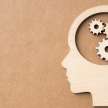

• Data science is reshaping mental health support through predictive modeling and behavioral analytics.
• Benefits teams use behavioral data to forecast burnout, guide interventions, and tailor communications. roles.
• Hybrid psychology-data science degrees are preparing professionals for workforce wellness
• AI tools enhance (but don’t replace) the empathy and nuance of human counseling.
Data is having its moment in nearly every sector, and behavioral health is no exception. As analytics and AI tools grow more sophisticated, psychology is entering a new era, one where counselors aren’t being replaced, but rather retooled. In the workplace, this evolution has direct implications for benefits professionals tasked with supporting employee well-being, retention, and engagement.
From Talk Therapy to Algorithms
Today’s psychology programs look very different from those of a decade ago. Universities are increasingly integrating behavioral analytics, psychometrics, and predictive modeling into their curricula. The goal isn’t to turn therapists into coders but to equip them with tools that expand their reach and precision.
These skills are particularly valuable in organizational settings, where mental health intersects with performance, productivity, and morale. Armed with data, practitioners can move from reactive care to proactive strategy, identifying patterns that signal stress, disengagement, or burnout long before they manifest in absenteeism or resignation letters.
When Psychology Meets Machine Learning
At the intersection of psychology and machine learning, a new field is emerging: computational behavioral science. This approach uses algorithms to detect patterns in human behavior, drawing on everything from wearable data to language analysis in emails or chat messages.
While this may sound clinical, the aim is deeply human. The right data can help counselors prioritize who needs outreach, customize interventions, and better understand what makes people thrive in their roles. It’s not about replacing therapeutic judgment but enhancing it.
This shift matters to benefits professionals because it reframes mental health not as an isolated offering, but as a dynamic, measurable factor in organizational health.
What It Means for Benefits Strategy
For HR and benefits teams, behavioral data offers an expanded toolkit. Some companies now use predictive modeling to forecast employee attrition, stress levels, or job satisfaction. These insights help guide more timely and targeted interventions, whether through wellness programs, EAP adjustments, or policy changes.
During high-stakes periods like open enrollment, behavioral insights can also inform communication strategies. For instance, “nudge” campaigns based on employee segmentation have proven more effective than one-size-fits-all emails. Instead of a blanket reminder, employees might receive personalized messages tailored to their previous benefit choices or digital engagement habits.
This doesn’t mean HR teams need to become behavioral scientists. But partnering with vendors who understand both data and psychology—or hiring talent with hybrid skill sets—can create meaningful value.
New Degrees for a New Workforce
Higher education is catching up with this shift. Several universities now offer interdisciplinary programs that combine psychology and data science, preparing graduates for roles in health tech, HR analytics, and organizational consulting.
Programs at institutions like Stanford, NYU, and the University of Michigan are blending coursework in behavioral theory, statistics, AI ethics, and machine learning. While traditional psychology paths still thrive, these hybrids are gaining traction, especially among students interested in workforce applications or digital mental health tools.
Students searching for the best schools for psychology might increasingly weigh whether data science or tech integration is part of the curriculum. Employers, in turn, are starting to see these cross-trained professionals as highly valuable additions to HR, wellness, and employee experience teams.
Can Empathy Be Automated?
Still, questions remain about whether AI and empathy can truly coexist. While data can flag behavioral risks, it can't replicate the nuance of human connection. Automation can streamline intake forms or triage requests, but the work of truly supporting someone through grief, anxiety, or burnout requires a human touch.
That’s why the most effective models pair data with people. Chatbots might handle first contact or routine check-ins, while licensed professionals step in for deeper care. AI can suggest possible interventions, but it's the counselor who chooses how to act.
For benefits professionals, this means investing in platforms and partnerships that use data to enhance (not replace) compassionate care. Tools should extend the capacity of human providers, not reduce them to system administrators.
What to Watch Going Forward
As the mental health landscape continues to evolve, benefits leaders should keep an eye on three things:
1. Tech-literacy among providers: Are your wellness partners using behavioral insights to improve outcomes, or just collecting data for reports?
2. Hybrid credentials: Professionals trained in both psychology and analytics can bridge the gap between mental health and HR strategy.
3. Employee trust: Transparency about how behavioral data is used is essential. Ethical,consent-based practices will drive adoption and avoid backlash.
The rise of behavioral analytics isn’t a threat to counseling; it’s a new frontier. By understanding and responsibly leveraging these tools, benefits professionals can offer more timely, targeted, and effective mental health support. The future of workplace well-being won’t just be about access. It will be about insight.
Author bio:
Josh Kruk is the Director of Digital Marketing at Canisius University. With extensive experience in content strategy, website optimization, and user experience (UX), he specializes in driving digital growth through data-driven marketing and SEO. Josh has led large-scale digital initiatives that enhance engagement, improve search visibility, and optimize user journeys. Passionate about innovation, he continuously refines digital experiences to maximize impact.
About the Creator
All Insights News
AIN is a passionate knowledge seeker dedicated to uncovering and sharing insights across diverse topics. Committed to continuous learning and clear communication, striving to enlighten and inspire through thoughtful exploration and analysis
Keep reading
More stories from All Insights News and writers in Education and other communities.
What Decision-Theoretic Models Guide Automated Stock Trading Bot?
Automated stock trading bots work in fast financial markets where prices change quickly. Every decision must be made on time and in a logical way. Unlike human traders, bots do not use emotions. They use mathematical models to study data and decide what action to take. These models are called decision-theoretic models. They help the bot choose the best option when the future is uncertain. Decision theory uses probability, statistics, and simple value comparisons to look at possible results and pick the most useful one. In automated stock trading bots, these models control when to buy, when to sell, how much to trade, and how to manage risk. Understanding these models helps explain how professional bots make smart and consistent decisions.
By james hall6 days ago in Education
Understanding Gifted Students and the Support They Actually Need
When working with children with high learning needs, it is essential to treat them thoughtfully. It is not rare to discover that children with high learning needs have characteristics such as curiosity and a quick mind. In most homes and institutions, there is a dilemma of how to treat these children in a manner that will give them confidence and balance. The question of gifted education Australia has become crucial, allowing adults to recognise ability while also recognising well-being, motivation, and development.
By Amara Gomez6 days ago in Education
No Word Comes Near Enough
The English language has its limits. I learned this when I became a student of the Bible and looked up the Greek and Hebrew definitions behind the Scriptures I loved. Some languages have so much more depth and power than the one I use to convey my thoughts. But, even so, I don't think any word could ever come close to describing this void and pain I am journeying through. I don't know how to swim through its murky waters.
By Shirley Belk6 days ago in Poets



Comments
There are no comments for this story
Be the first to respond and start the conversation.