
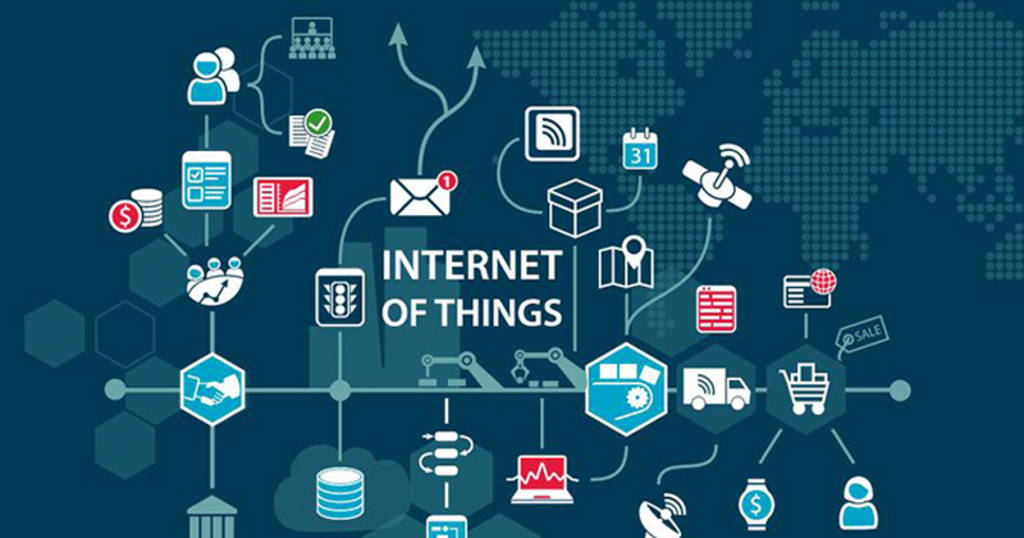
The Internet of Things (IoT) is a rapidly growing phenomenon that has the potential to revolutionize the way we live and work. At its core, IoT is about connecting everyday objects and devices to the internet, enabling them to communicate with each other and with us. This allows for a wide range of applications, from smart homes and cities to industrial automation and healthcare. In this article, we'll take a closer look at IoT and its potential to transform our world.
What is IoT?
IoT refers to the interconnection of physical objects and devices with the internet. These objects can be anything from smartphones and appliances to industrial equipment and vehicles. By connecting these objects to the internet, they can communicate with each other and with us, enabling new levels of automation and data analytics.
At its most basic level, IoT involves adding sensors and connectivity to objects that were previously "dumb" or unconnected. For example, a smart thermostat might use sensors to detect the temperature and humidity in a room, and then adjust the temperature automatically to maintain a comfortable environment. Similarly, a smart appliance might be able to communicate with your smartphone to let you know when it's time to restock the fridge.
IoT is made possible by a combination of hardware, software, and networking technologies. Devices typically have sensors and processors that allow them to collect and process data, and wireless connectivity (such as Wi-Fi or cellular) that allows them to communicate with other devices or the cloud. Cloud platforms provide the infrastructure for storing and analyzing data, as well as for managing devices and applications.
Applications of IoT :-
IoT has a wide range of applications in many different industries, from consumer electronics and healthcare to manufacturing and transportation. Here are a few examples:
Smart homes: IoT can enable a wide range of smart home applications, such as controlling the temperature, lighting, and security of your home remotely. Smart appliances can also monitor their own performance and alert you when they need maintenance or repair.
Smart cities: IoT can enable cities to become more efficient and sustainable, by providing real-time data on traffic, energy consumption, and other metrics. This can help city officials optimize resource allocation and reduce waste.
Industrial automation: IoT can enable factories and other industrial facilities to become more efficient and productive, by providing real-time data on equipment performance and energy consumption. This can help optimize workflows and reduce downtime.
Healthcare: IoT can enable remote monitoring and diagnosis of patients, allowing healthcare providers to provide more personalized and efficient care. Wearable devices can also monitor patients' vital signs and alert healthcare providers if there are any issues.
Challenges of IoT :-
While IoT has a lot of potential, there are also some challenges that need to be addressed. Security is a major concern, as many IoT devices are vulnerable to hacking and other cyber attacks. There is also the issue of interoperability, as many IoT devices use different communication protocols and standards, making it difficult to integrate them into a cohesive system.
Another challenge is the sheer volume of data that IoT devices generate. This data needs to be stored, processed, and analyzed in real-time, which requires significant computing resources. This can be expensive, especially for smaller organizations or individuals.
Finally, there are also concerns around privacy, as IoT devices can collect and transmit sensitive personal data. This has led to calls for more robust data protection laws and regulations to ensure that people's privacy is protected.
IoT technology. In fact, it's estimated that by 2025, there will be over 75 billion connected IoT devices worldwide.
One area where IoT is expected to have a significant impact is in the field of transportation. Connected vehicles can communicate with each other and with traffic management systems, allowing for more efficient traffic flow and fewer accidents. They can also provide real-time data on traffic patterns and road conditions, enabling better route planning and reducing congestion.
Another area where IoT is expected to make a big impact is in the field of agriculture. IoT sensors can monitor soil moisture, temperature, and other conditions, allowing farmers to optimize their crop yields and reduce waste. They can also monitor the health and location of livestock, enabling farmers to better manage their herds and prevent disease outbreaks.
IoT is also being used in the field of energy management. Smart meters can monitor energy consumption in homes and businesses, allowing for more efficient use of energy and lower costs. Smart grids can also monitor energy production and consumption at a larger scale, enabling utilities to better manage their resources and reduce waste.
Despite the potential benefits of IoT, there are still many challenges that need to be addressed. One of the biggest challenges is ensuring that IoT devices are secure and protected from cyber attacks. This is especially important given the sensitive data that many IoT devices collect and transmit.
Another challenge is ensuring that IoT devices are interoperable, meaning that they can communicate with each other and with other systems. This requires the development of common standards and protocols, which can be difficult given the diversity of IoT devices and applications.
Finally, there are concerns around the social and ethical implications of IoT. For example, there are concerns that IoT devices could be used to monitor people's behavior or track their movements without their consent. There are also concerns around the impact of IoT on employment, as automation enabled by IoT could lead to job losses in certain industries.
Despite these challenges, the potential of IoT is immense. As the technology continues to evolve and become more widespread, we can expect to see more and more applications and innovations that leverage the power of IoT. From smart homes and cities to connected vehicles and agriculture, IoT has the potential to transform virtually every aspect of our lives. The key will be to address the challenges and ensure that the benefits of IoT are realized while minimizing the risks.
Conclusion
The Internet of Things is a rapidly growing phenomenon that has the potential to transform the way we live and work. By connecting everyday objects and devices to the internet, we can enable new levels of automation, efficiency, and data analytics. While there are certainly challenges that need to be addressed, the potential benefits of IoT are significant. As the technology continues to evolve, we can expect to see more and more applications and innovations that leverage the power of IoT in the coming years. Here are some of the exciting possibilities that could become a reality with the continued development of IoT:
1. Smart homes and cities: IoT technology can be used to create smart homes and cities, where devices and systems are interconnected and can communicate with each other. This can lead to more efficient energy usage, better waste management, and improved transportation systems.
2. Healthcare: IoT devices can be used to monitor patients remotely and collect data on their health, allowing for early detection and prevention of diseases. Wearable devices like smartwatches can also track fitness and activity levels, helping people maintain a healthy lifestyle.
3. Industrial automation: IoT technology can be used to automate industrial processes, improving efficiency and reducing costs. For example, sensors can be used to monitor the condition of machines and predict when maintenance is needed, reducing downtime and increasing productivity.
4. Environmental monitoring: IoT sensors can be used to monitor environmental conditions like air and water quality, allowing for better management of natural resources and early detection of environmental hazards.
5. Retail: IoT technology can be used to personalize the shopping experience for customers, allowing for targeted marketing and improved customer service. For example, sensors can be used to track customers as they move through a store, providing personalized recommendations and deals based on their interests.
6. Agriculture: IoT sensors can be used to monitor crop health and soil conditions, allowing farmers to optimize their yields and reduce waste. They can also be used to monitor the health and location of livestock, improving animal welfare and reducing the risk of disease outbreaks.
7.Transportation: IoT technology can be used to create connected vehicles that communicate with each other and with traffic management systems, leading to more efficient traffic flow and fewer accidents. It can also be used to provide real-time data on traffic patterns and road conditions, enabling better route planning and reducing congestion.
These are just a few examples of the many possibilities of IoT technology. As the technology continues to evolve and become more widespread, we can expect to see even more exciting applications and innovations. The key will be to ensure that IoT devices are secure, interoperable, and ethically sound, so that we can reap the benefits of this technology while minimizing the risks.
About the Creator
Keep reading
More stories from Anjali Gagneja and writers in Education and other communities.
Civic Engagement
Civic engagement refers to the active participation of citizens in the political, economic, and social life of their communities. This involvement can take many forms, from voting and community organizing to volunteering and advocating for social justice. In this article, we'll explore the importance of civic engagement, how it benefits individuals and communities, and how we can encourage more people to get involved.
By Anjali Gagneja3 years ago in Education
NCLEX Study Plan: A Step-by-Step Guide for Nursing Students
Preparing for the NCLEX-RN is one of the most important milestones in the nursing students’ career. This is because the NCLEX is the final step before nursing students can become licensed nurses. However, it is not as easy as simply reading nursing textbooks and taking notes from class lectures. This is because the NCLEX is designed to test the nursing students’ clinical judgment and decision-making skills.
By Sulcus Learning4 days ago in Education
A School Morning Assembly
Morning assembly is an important activity in many schools. It is a daily gathering of students and teachers before the start of classes. Usually, the assembly takes place in the school ground or in a large hall. All the students stand in lines according to their classes while teachers supervise them. Morning assembly helps students begin their day in a disciplined and organized way. It also creates a positive environment for learning. The morning assembly usually begins with a prayer. The prayer helps students feel calm and focused. It gives them a peaceful start to the day. In many schools, the national anthem is also sung during the assembly. Singing the national anthem together creates a feeling of respect and love for the country. It also helps students feel united as members of the same school community.
By aadam khan7 days ago in Education




Comments
There are no comments for this story
Be the first to respond and start the conversation.