
Introduction: What is ChatGPT and How Is AI Changing Education?
ChatGPT
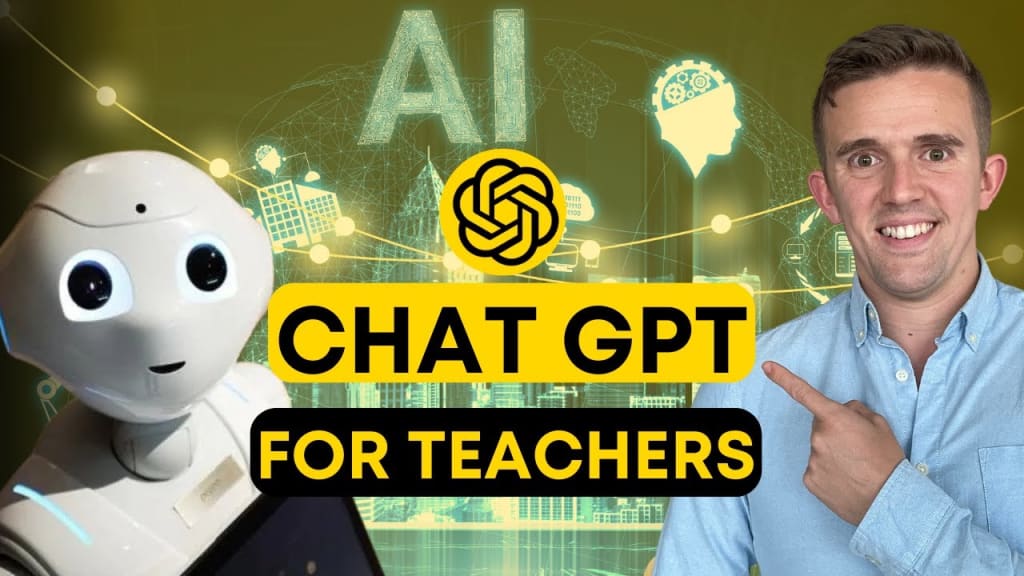
ChatGPT is a large language model developed by OpenAI based on the GPT-3.5 architecture. It is one of the most advanced AI systems developed to date, capable of understanding natural language and generating human-like responses to a wide range of questions and prompts. ChatGPT has been trained on a massive amount of data, which enables it to respond to a vast range of topics and provide highly accurate and relevant answers.
The role of AI in education has been growing rapidly in recent years, with a growing number of institutions incorporating AI tools and technologies into their teaching and learning processes. AI has the potential to revolutionize education, making it more accessible, personalized, and effective. In this article, we will explore how AI is changing education and how ChatGPT is contributing to this change.
One of the most significant ways in which AI is changing education is through personalized learning. With the help of AI, it is now possible to create personalized learning experiences for students. AI systems can analyze data from multiple sources, including assessments, learning activities, and student feedback, to understand how each student learns and what their strengths and weaknesses are. This information can then be used to create personalized learning paths that cater to the unique needs of each student.
ChatGPT plays an essential role in personalized learning by providing students with instant access to a vast amount of knowledge. Students can ask ChatGPT any question, and it will provide them with accurate and relevant answers. This is especially beneficial for students who may struggle with traditional learning methods and need more support.
Another way in which AI is changing education is through intelligent tutoring systems. Intelligent tutoring systems are AI-powered systems that provide students with personalized feedback and guidance as they learn. These systems can adapt to each student's learning style, pace, and level of understanding, making learning more effective and efficient.
ChatGPT can be used as an intelligent tutoring system by providing students with instant feedback and guidance as they learn. Students can ask ChatGPT for help with a particular concept, and it will provide them with a detailed explanation, examples, and even practice problems. This makes learning more interactive and engaging, as students can receive instant feedback on their progress and identify areas where they need to improve.
AI is also changing education by enabling the development of virtual assistants and chatbots. Virtual assistants and chatbots are AI-powered systems that can assist students with a wide range of tasks, including scheduling, reminders, and organization. These systems can also provide students with support and guidance outside of the classroom, making learning more accessible and convenient.
ChatGPT can be used as a virtual assistant or chatbot by providing students with personalized support and guidance. Students can ask ChatGPT for help with a variety of tasks, including scheduling, reminders, and organization. This frees up teachers' time to focus on more complex tasks, such as lesson planning and assessment.
AI is also transforming the way we assess student learning. Traditionally, assessments have been based on standardized tests and exams, which do not always provide an accurate measure of a student's understanding of a subject. AI-powered assessments, on the other hand, can analyze a wide range of data, including student behavior, performance, and engagement, to provide a more comprehensive picture of a student's learning.
ChatGPT can be used as an assessment tool by analyzing data from student interactions and learning activities. This data can be used to identify areas where students are struggling and provide targeted feedback and support to help them improve.
In conclusion, AI is transforming education in many ways, making it more accessible, personalized, and effective. ChatGPT is playing an essential role in this transformation by providing students with instant access to a vast amount of knowledge, personalized feedback and guidance, and support outside of the classroom. As AI continues to evolve, it is likely to revolutionize education even further, creating new opportunities for students and teachers alike.
One of the most exciting developments in AI-powered education is the use of virtual and augmented reality. These technologies can create immersive learning experiences that simulate real-world situations and environments. For example, students can explore historical sites or scientific concepts in virtual reality, allowing them to visualize and interact with complex concepts in a way that was previously impossible.
ChatGPT can also contribute to virtual and augmented reality experiences by providing students with relevant information and guidance as they explore these environments. This makes learning more engaging and interactive, allowing students to connect with complex concepts in a way that is meaningful and memorable.
AI is also transforming education by enabling new forms of collaboration and communication. With the help of AI-powered tools, students can collaborate on projects and assignments in real-time, regardless of their location or time zone. This makes it easier for students to work together and share ideas, creating a more dynamic and engaging learning experience.
ChatGPT can contribute to collaborative learning by providing students with instant access to information and feedback as they work on projects and assignments. This allows students to collaborate more effectively and efficiently, making the learning process more productive and enjoyable.
Despite the many benefits of AI-powered education, there are also concerns about its impact on society. Some worry that AI could lead to job displacement and exacerbate existing inequalities in education. Others are concerned about the ethics of AI, particularly with regards to data privacy and security.
To address these concerns, it is important to ensure that AI-powered education is used responsibly and ethically. This includes developing robust data privacy policies, ensuring that AI-powered tools are accessible to all students, and promoting diversity and inclusivity in AI development.
In conclusion, AI is changing education in many exciting and innovative ways, and ChatGPT is playing an essential role in this transformation. From personalized learning to intelligent tutoring systems, virtual assistants, and augmented reality, AI is revolutionizing education, making it more accessible, personalized, and effective. As AI continues to evolve, it is likely to create new opportunities for students and teachers alike, shaping the future of education for generations to come.
About the Creator
Keep reading
More stories from Asjal Abrar and writers in Education and other communities.
The Rise of Cybersecurity Threats: Protecting Your Business
The rise of cybersecurity threats has become a major concern for businesses of all sizes. With the increasing reliance on technology and the internet, the threat landscape has become more complex and sophisticated. Hackers and cybercriminals are constantly finding new ways to exploit vulnerabilities and steal sensitive information. In this article, we will explore the rising threat of cybersecurity and offer tips on how to protect your business from potential attacks.
By Asjal Abrar3 years ago in Education
Best Laptop for Adobe Illustrator
If you’ve ever opened Adobe Illustrator and felt your laptop slow you down, lag on big files, or struggle with smooth zooming, this blogpost is for you. The right laptop can make designing feel fast, smooth, and honestly enjoyable.
By Projectorsea2 days ago in Education


Comments
There are no comments for this story
Be the first to respond and start the conversation.