
Insects as food
should people include more insects in their diet
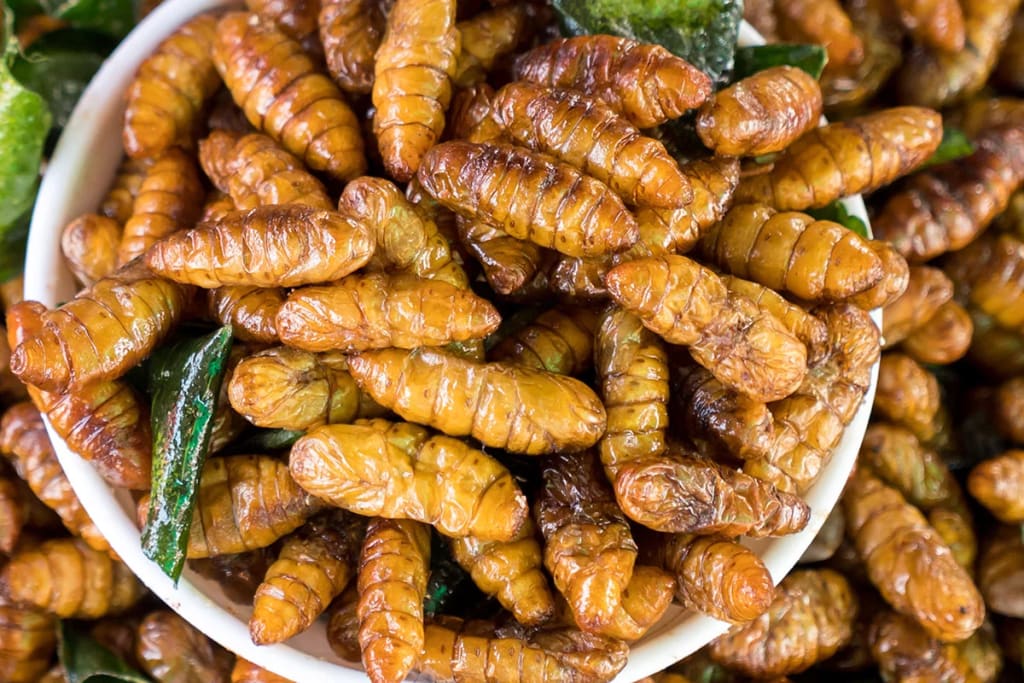
Insects as food, also known as entomophagy, is the practice of consuming insects as a source of nutrition. While it may seem unusual to some cultures, insects have been consumed as food by humans for thousands of years in various parts of the world.
Edible insect species: There are numerous edible insect species, including crickets, mealworms, grasshoppers, ants, beetles, silkworms, and more. Different species have distinct flavors and textures, ranging from nutty to earthy.
Including insects in diets is a topic that has gained attention in recent years due to their potential as a sustainable and nutritious food source. Here are some considerations regarding the inclusion of insects in diets:
Nutritional Value: Insects are highly nutritious and can be a good source of protein, healthy fats, vitamins, and minerals. For example, crickets are rich in protein, iron, calcium, and vitamin B12. Including insects in your diet can offer a nutrient-dense alternative to traditional animal protein sources.
Environmental Sustainability: Insects are more environmentally friendly to produce compared to conventional livestock. They require less land, water, and feed, and emit fewer greenhouse gases. Rearing insects has a lower ecological footprint, making them a potentially sustainable food source for a growing population.
Cultural and Historical Significance: Insects have been a part of human diets in many cultures throughout history. They have been consumed in various forms, such as roasted, ground into flour, or incorporated into dishes. Embracing insects as a food source can be a way to appreciate and preserve cultural heritage.
Potential Challenges: There are some challenges associated with insect consumption. For many people, the idea of eating insects may be culturally unfamiliar or even off-putting. Overcoming the "yuck" factor can be a significant barrier to widespread acceptance. Additionally, regulatory frameworks and food safety standards may need to be developed or adapted to ensure the safety of insect-based products.
Culinary traditions: Insect consumption is deeply rooted in the culinary traditions of many cultures. Insects are eaten in various forms, such as fried, roasted, boiled, or ground into flour for baking. They can be incorporated into dishes or used as ingredients in snacks, soups, sauces, and more.
Allergies and Sensitivities: It's worth noting that some individuals may have allergies to specific insects, similar to other food allergies. As with any new food, it is important to be aware of potential allergic reactions and introduce insects into the diet gradually and in small amounts.
Food safety considerations: It's crucial to ensure that the insects consumed as food are safe and free from contaminants. Insect farms that produce insects for human consumption should adhere to proper hygiene and quality control standards.
Health and allergenic concerns: While insects are generally safe to eat, some people may have allergies to certain species, similar to allergies to other foods. Additionally, individuals with shellfish allergies may also be allergic to insects due to shared allergenic proteins.
Global acceptance and market: In recent years, there has been growing interest and acceptance of insects as food in Western countries. Many companies are exploring the production of insect-based food products, such as protein bars, snacks, and alternative flours. However, acceptance and availability may vary depending on cultural norms and regulatory frameworks.
Potential future role: Given the sustainability and nutritional benefits, insects could play a significant role in addressing global food security challenges. They offer a promising alternative protein source, especially as the world's population continues to grow.
While insects as food may not be widely accepted or readily available in all regions, they present an intriguing solution to various food-related issues. Nonetheless, it's important to consider cultural perspectives, personal preferences, and dietary needs when discussing and promoting insect consumption.
In conclusion, while including insects in diets can offer nutritional and environmental benefits, the decision to incorporate them into one's diet is a personal choice. As the field of entomophagy (the practice of eating insects) continues to evolve, further research, awareness, and development of insect-based food products may help increase their acceptance and accessibility as a sustainable food option.
About the Creator
Keep reading
More stories from Iranzi Innocent and writers in Education and other communities.
Breaking the Silence: Addressing Erectile Dysfunction to Strengthen Your Marriage and Improve Intimacy
Understanding Erectile Dysfunction Erectile dysfunction is a common condition that affects many men and can have a significant impact on both their marriage and their intimacy. It is important to understand what erectile dysfunction is and how it can affect your relationship. Erectile dysfunction, also known as impotence, is the inability to achieve or maintain an erection sufficient for sexual intercourse. This can lead to feelings of frustration, embarrassment, and even shame. It is crucial to address this issue in order to improve your marriage and strengthen the intimacy between you and your partner.
By Iranzi Innocent3 years ago in Education
The Emotional and Human Impact Behind Major Medical Breakthroughs
Major medical breakthroughs often capture attention for their scientific achievement, yet their most profound significance lies in the emotional and human stories they shape. Although clinical data, research milestones, and technological advancements illustrate progress, the accurate measure of success lies in the lives transformed by these discoveries.
By Mark Bouzyk2 days ago in Education




Comments
There are no comments for this story
Be the first to respond and start the conversation.