
Increase in Rape Cases: Causes, Consequences, and Solutions
Rape Cases
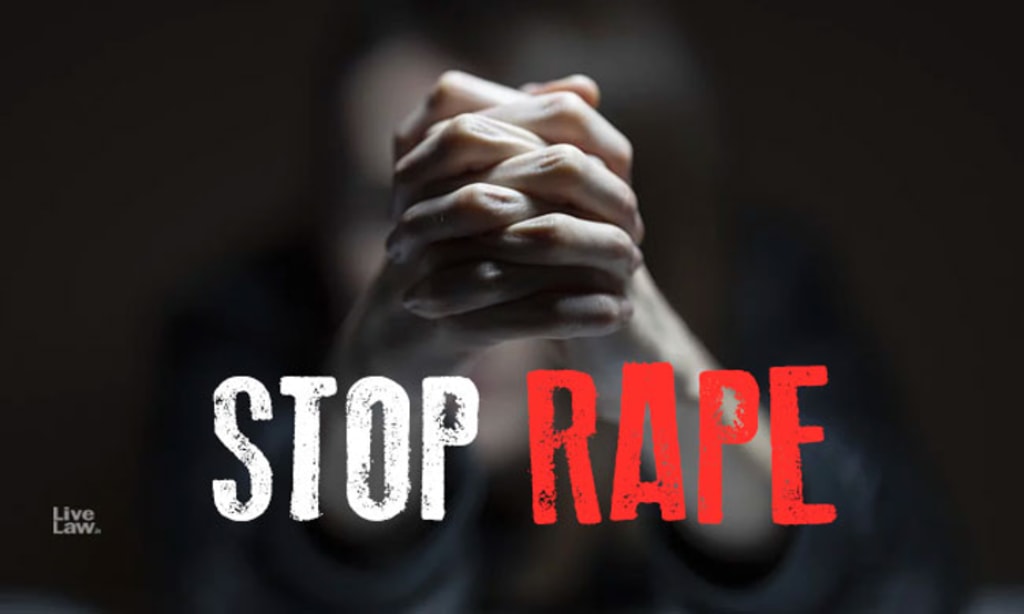
Introduction:- The rise in rape cases globally is a pressing issue that demands urgent attention. Despite legal reforms and social awareness campaigns, sexual violence remains a significant threat to individuals, particularly women and children. Understanding the reasons behind this increase, its impact on victims and society, and possible solutions is crucial for effectively addressing the crisis.
Causes of the Increase in Rape Cases
Several factors contribute to the rise in rape cases, including:
1.Weak Law Enforcement and Judicial Delays:- Many rape cases go unpunished due to inefficient legal systems, lack of evidence, victim-blaming, and prolonged trials. When perpetrators are not held accountable, it emboldens others to commit similar crimes.
2. Cultural and Patriarchal Norms:- In many societies, patriarchal structures and gender inequality contribute to the normalization of sexual violence. Some cultures blame victims rather than perpetrators, discouraging survivors from reporting crimes.
3. Lack of Comprehensive Sex Education:- Ignorance about consent, gender respect, and bodily autonomy fosters a culture where sexual violence is tolerated. Many young people do not receive adequate education on these topics, leading to misguided attitudes and behaviors.
4. Increased Digital Exploitation and Pornography:- The rise of digital platforms has led to an increase in sexual violence, including online harassment, child pornography, and cyberstalking. Easy access to violent and exploitative content can desensitize individuals and encourage sexual aggression.
5. Alcohol and Drug Abuse:- Substance abuse is often linked to sexual violence, as intoxication can impair judgment and lower inhibitions, leading to increased instances of rape and assault.
Consequences of Rape
1. Physical and Psychological Trauma:- Victims of rape often suffer severe physical injuries and long-term psychological effects, including PTSD, depression, anxiety, and suicidal tendencies.
2. Social Stigma and Isolation:- Many survivors face victim-blaming, leading to social isolation and discrimination. In some cultures, victims are forced to marry their rapists or suffer lifelong disgrace.
3. Impact on Families and Communities:- Families of victims experience emotional distress, financial burdens, and social stigma. Communities with high rates of sexual violence face decreased social trust and safety concerns.
4. Legal and Economic Costs:- Governments and organizations spend significant resources on medical treatment, legal proceedings, and rehabilitation programs for survivors, impacting national economies.
Combat Rape To curb the rising cases of rape, a multi-pronged approach is needed.
1. Strengthening Legal Frameworks:- Stricter laws with swift and severe punishment for rapists. Fast-track courts to ensure timely justice for victims. Ensuring that marital rape and other forms of sexual violence are criminalized.
2. Empowering Women and Promoting Gender Equality:- Encouraging women’s education, employment, and financial independence. Challenging gender norms that perpetuate violence against women.
3. Comprehensive Sex Education and Awareness Campaigns:- Teaching young people about consent, respect, and gender equality.Encouraging discussions on sexual violence to remove stigma and empower victims.
4. Community Vigilance and Support Systems:- Establishing local support groups for survivors. Encouraging bystander intervention and community-led initiatives to prevent assaults.
5. Use of Technology for Safety:- Mobile apps for women’s safety, emergency contacts, and GPS tracking. Strengthening cybersecurity laws to combat digital sexual exploitation.
Conclusion:- The rise in rape cases is not just a legal issue but a deep-rooted societal problem that reflects broader failures in justice, education, and cultural attitudes. It is a violation of human rights that leaves lifelong scars on survivors and weakens the moral fabric of society. Addressing this crisis requires a collective effort from governments, law enforcement, educators, and communities. Laws must be enforced with zero tolerance for sexual violence, ensuring swift justice for victims. Education must prioritize teaching consent, respect, and gender equality from an early age. Communities must shift from victim-blaming to survivor support, fostering an environment where reporting crimes is safe and encouraged. Ultimately, ending rape is not just about punishment—it’s about prevention, empowerment, and cultural change. By standing together against sexual violence, we can create a world where safety and dignity are fundamental rights for all.
About the Creator
Keep reading
More stories from writers in Education and other communities.
How Early Hustle Jobs Build Lifelong Skills and Confidence
Early hustle jobs often begin as simple ways to earn extra money, but their long-term impact is far greater than most people recognize. Whether someone starts by babysitting, mowing lawns, working retail, or serving tables, these early experiences develop foundational skills that shape personal and professional success for decades.
By David Lipan4 days ago in Education


Comments
There are no comments for this story
Be the first to respond and start the conversation.