
In what ways do psychologists use Cognitive Behavioral Therapy (CBT) to treat common mental health disorders?
Psychologists use

Cognitive Behavioral Therapy (CBT) is one of the most researched and effective forms of modern psychology. It is a problem-focused, systematic form of therapy that focuses on the interaction between thoughts, emotions, and behavior. A variety of mental health issues—anxiety, depression, obsessive-compulsive disorder (OCD), post-traumatic stress disorder (PTSD), and phobias—are successfully treated using CBT. Unlike some therapeutic approaches that focus primarily on the past, CBT emphasizes present experiences and practical strategies, empowering individuals to identify unhelpful thought patterns, modify behaviors, and develop healthier coping mechanisms.
Understanding Cognitive Behavioral Therapy
Essentially, CBT is based on the principle that our thoughts dictate our feelings and behaviors. Distorted or negative thinking can lead to emotional distress and problem behaviors. By recognizing and reforming these thoughts, individuals can achieve excellent progress in mental health and daily functioning.
For example, an individual with social anxiety might say to themselves, "If I speak up, everyone will judge me." This kind of thinking can result in intense fear and avoidance, such as skipping social events. CBT helps the individual become aware of this biased thought, question its reality, and gradually engage in social interactions with confidence.
The Role of Psychologists in CBT
Psychologists play a key role in guiding clients through the CBT process. Their activities include assessment, treatment planning, intervention, and maintenance.
1. Assessment and Case Conceptualization
Psychologists begin by evaluating the person's mental health problems through interviews, questionnaires, and behavioral observations. They seek patterns of negative thinking, emotional triggers, and problem behaviors. This comprehensive assessment forms the basis for a personalized CBT plan.
2. Goal Setting
CBT is extremely goal-oriented. Psychologists collaborate with clients to establish realistic and attainable goals, i.e., reduce panic attacks, manage anger, or improve social relationships. Clearly defined goals provide direction and motivation throughout treatment.
3. Psychoeducation
Psychologists educate clients about the CBT model, explaining how thoughts, feelings, and behaviors are interconnected. This knowledge engages individuals to take an active role in their treatment and builds self-awareness.
4. Cognitive Restructuring
One of the most important aspects of CBT is identifying and challenging cognitive distortions—thought patterns that are biased, exaggerated, or irrational. Common distortions include:
All-or-nothing thinking: Viewing things in extremes, e.g., "I flunked this exam; I'm a failure."
Catastrophizing: Expecting the worst-case scenario, e.g., "If I mess up, everybody will hate me."
Overgeneralization: Drawing sweeping conclusions based on a single event.
Psychologists assist clients in replacing these distorted cognitions with balanced, realistic alternatives that reduce emotional upset and promote adaptive behavior.
5. Behavioral Interventions
CBT is not solely focused on changing cognitions—it's also on changing behaviors. Psychologists help clients gradually expose themselves to feared situations, learn problem-solving, and reinforce adaptive behaviors through exercises such as:
Exposure therapy: Gradually confronting feared objects or situations to reduce avoidance and anxiety.
Behavioral activation: Planning activities that are pleasurable to counteract depression.
Skill-building exercises: Acquiring relaxation, time management, and assertiveness.
6. Homework Assignments
CBT often includes structured exercises outside the therapy. They may take the form of thought records, practice relaxation, or gradual exposure to feared situations. Homework reinforces in-therapy skills and promotes active participation in recovery.
7. Monitoring Progress
Psychologists track clients' progress using self-report measures, behavioral observations, and feedback. The treatment plan is revised as needed to achieve continued improvement and long-term success.
Common Mental Health Disorders Treated with CBT
1. Anxiety Disorders
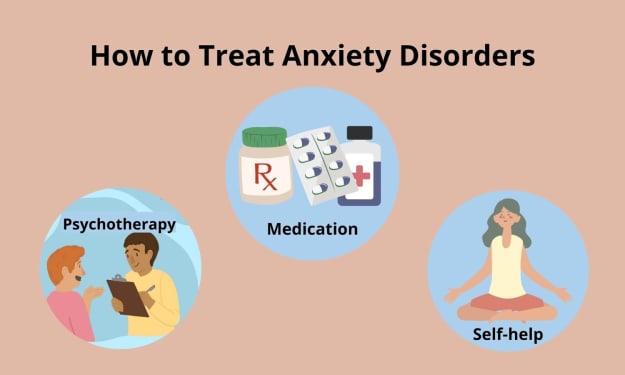
CBT is highly effective for generalized anxiety, social anxiety, panic disorder, and phobias. Clients learn to identify anxious thoughts, practice relaxation skills, and gradually expose themselves to feared situations, which reduces avoidance and fear responses.
2. Depression
In depression, negative thought patterns can lead to reinforcement of hopelessness and inactivity. CBT allows individuals to become aware of these thoughts, challenge them, and engage in positive, rewarding activities to improve mood and motivation.
3. Obsessive-Compulsive Disorder (OCD)
CBT for OCD often involves exposure and response prevention (ERP), which subjects individuals to obsessions without indulging in compulsive rituals. Psychologists guide clients through this systematic process to reduce anxiety and compulsive behavior.
4. Post-Traumatic Stress Disorder (PTSD)
CBT not only addresses PTSD but also processes traumatic memories, challenges negative thoughts about oneself or the world, and exposure to trauma-related stimuli in a graded and safe manner. Some of the methods include cognitive restructuring and graded exposure.
5. Eating Disorders
CBT addresses distorted beliefs about body image, food, and self-esteem. Psychologists help clients develop healthier eating habits, cope with triggers, and challenge unhealthy behaviors and thoughts.
6. Stress and Anger Management
CBT serves to teach hands-on skills for managing stress, regulating emotions, and responding constructively to challenges, reducing interpersonal conflicts and enhancing overall quality of life.
Benefits of CBT
Evidence-based and structured: Backed by extensive research for a wide range of mental health issues.
Short-term and goal-oriented: Many clients achieve change in weeks or months.
Skills-oriented: Clients learn concrete methods for managing thoughts, feelings, and behaviors.
Empowering: Promotes self-awareness and active participation in recovery.
Preventive: Allows individuals to develop resilience, with relapse being less likely.
Challenges and Considerations
While CBT is extremely effective, it requires commitment and active client involvement. Clients might be initially resistant to share negative thoughts or engage in exposure activities. Psychologists get past these challenges through empathy, support, and a gradual approach. Additionally, certain disorders—such as severe mental illness, cognitive impairment, or crises—may require combined treatments, such as medication or specialized therapies.
Role of Psychologists Beyond Therapy
Psychologists also engage with families, schools, and other therapists to facilitate holistic support. They provide guidance on the establishment of supportive environments, reinforce coping abilities, and educate caregivers on how to help clients practice CBT skills beyond therapy. This coordinated approach enhances treatment outcomes and long-term mental well-being.
**Conclusion**
Cognitive Behaviour Therapy is a versatile and very helpful tool in modern psychology. By targeting the interconnectedness of thought, feeling, and behaviour, psychologists help individuals manage anxiety, depression, trauma, OCD, and other mental health conditions. With structured intervention, experiential tasks, and ongoing support, CBT empowers clients to regain control, develop resilience, and improve quality of life.
For professional consultation in Cognitive Behaviour Therapy and evidence-based psychological intervention, visit: https://www.delhimindclinic.com/
About the Creator
Keep reading
More stories from Naveen Garg and writers in Education and other communities.
How do psychologists help families that have a member with mental illness?
Once the family member has been diagnosed with mental illness, the effects trickle down to everyone in the household. Daily routines, relationships, money, and emotional well-being can all be impacted. Families are most likely to feel lost, guilty, frustrated, and helpless attempting to care for their loved one as they also deal with the stress. Mental illness is not often a solitary experience—it can impact family systems in a powerful way. Psychologists have an important role to play in guiding families along this journey, informing them about the illness, encouraging healthy coping mechanisms, and strengthening relationships.
By Naveen Garg4 months ago in Education
Why Do We Dream?
In the third millenium BCE, Mesopotamian kings recorded and interpreted their dreams on wax tablets. A thousand years later, Ancient Egyptians wrote a dream book listing over a hundred common dreams and their meanings. And in the years since, we haven't paused in our quest to understand why we dream. So, after a great deal of scientific research, technological advancement, and persistence, we still don't have any definite answers, but we have some interesting theories. We dream to fulfill our wishes.
By Munesh Yadavabout 2 hours ago in Education
The $73,000 Text Message That Changed Everything
"Just realized I missed the quarterly payment deadline by one day. How bad is this?" I stared at the message, knowing I was about to deliver devastating news. My client—a successful entrepreneur who built his tech consulting firm from zero to $3.2 million in annual revenue—had just cost himself $73,000.
By Nth Degree Tax6 days ago in Education



Comments
There are no comments for this story
Be the first to respond and start the conversation.