
Improving Respiratory Function with Yoga
How Pranayama Breathing Enhances Lung Capacity

Respiratory health plays a crucial role in overall well-being, as it directly affects how efficiently the body receives oxygen and expels carbon dioxide. Good respiratory function ensures that the body’s cells and organs are adequately oxygenated, supporting energy production and proper bodily function. However, modern lifestyles, pollution, stress, and respiratory conditions like asthma, chronic obstructive pulmonary disease (COPD), and anxiety can compromise lung health and breathing patterns.
Yoga, a practice that emphasizes breath control, mindful movement, and relaxation, offers significant benefits for improving respiratory function. Through specific breathing exercises, postures, and relaxation techniques, yoga helps enhance lung capacity, improve oxygen flow, strengthen respiratory muscles, and reduce stress. Whether you're an athlete looking to improve endurance or someone managing a chronic respiratory condition, yoga can serve as a powerful tool to promote better breathing and lung health.
How Yoga Improves Respiratory Function
Yoga offers a holistic approach to enhancing respiratory function by combining breathwork (pranayama), postural alignment, and relaxation techniques. Below are the key ways yoga positively impacts respiratory health:
1. Breathing Exercises (Pranayama) for Lung Capacity
Pranayama refers to a set of breathing exercises designed to control the breath and regulate the flow of life energy (prana) in the body. These exercises are fundamental to yoga practice and play a significant role in improving respiratory function. By practicing controlled breathing, individuals can increase lung capacity, strengthen the respiratory muscles, and enhance oxygen intake.
- Ujjayi Breath (Victorious Breath): This technique involves breathing deeply and audibly through the nose while gently constricting the throat. Ujjayi breath encourages full lung expansion and improves airflow, which can be beneficial for individuals with respiratory conditions.
- Nadi Shodhana (Alternate Nostril Breathing): This exercise involves inhaling and exhaling alternately through each nostril while closing off the opposite one. Nadi Shodhana calms the nervous system, improves lung function, and helps balance the flow of oxygen and carbon dioxide in the body.
- Kapalbhati (Skull Shining Breath): This is a rapid breathing technique where you forcefully exhale through the nostrils while drawing the belly inward, followed by a passive inhalation. It helps clear the nasal passages, energizes the body, and improves lung capacity.
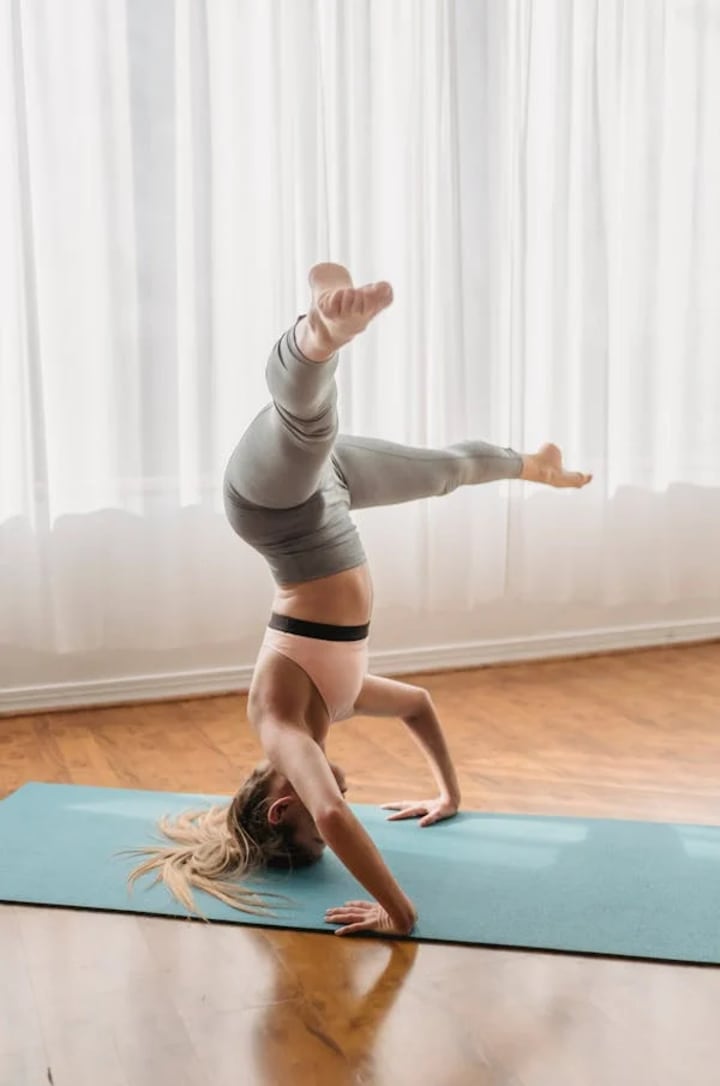
These breathing exercises increase the efficiency of the respiratory system, allowing for better oxygenation of the body’s cells and organs, improving overall stamina, and supporting the immune system.
2. Postures that Open the Chest and Lungs
Certain yoga poses help expand the chest, stretch the diaphragm, and open the lungs, allowing for better airflow and deeper breathing. These postures help improve lung capacity by encouraging the expansion of the rib cage and optimizing airflow through the lungs.
Cobra Pose (Bhujangasana): This backbend stretches the chest, opens up the lungs, and improves oxygen intake. It also strengthens the back muscles and promotes better posture, which supports more efficient breathing.
Bridge Pose (Setu Bandhasana): Another backbend that opens the chest and stimulates the diaphragm, Bridge Pose improves breathing efficiency and supports overall respiratory function.
Camel Pose (Ustrasana): This deep backbend stretches the chest, opens up the front of the body, and encourages deep, expansive breaths. It increases the capacity for airflow into the lungs and stretches the respiratory muscles.
Extended Side Angle Pose (Utthita Parsvakonasana): A standing pose that stretches the side ribs and chest, improving flexibility in the torso and expanding the lungs for fuller breaths.
By practicing these poses regularly, individuals can improve the elasticity of the lungs and enhance the flow of oxygen throughout the body.
3. Relaxation and Stress Reduction
Chronic stress can negatively impact the respiratory system by triggering shallow, rapid breathing, which reduces lung efficiency and causes tension in the chest and diaphragm. Yoga’s relaxation techniques help counteract this stress, promoting slower, deeper breathing and encouraging the body to release tension.
Savasana (Corpse Pose): This restorative pose is often practiced at the end of a yoga session to promote deep relaxation and calm the nervous system. Savasana encourages slow, mindful breathing and helps reduce stress levels, which directly benefits respiratory health.
Meditation: Meditation, often integrated with yoga practice, promotes mindfulness and deep relaxation. Meditation techniques, especially those focused on breathing, help improve focus and calm the mind, supporting deeper, more relaxed breathing patterns.
Reducing stress and practicing mindful breathing not only benefits the respiratory system but also enhances overall health by lowering the risk of anxiety, depression, and chronic diseases.
4. Improving Diaphragm Function
The diaphragm is the primary muscle responsible for breathing. A well-functioning diaphragm is essential for efficient respiration, as it controls the flow of air in and out of the lungs. Many yoga postures focus on engaging and strengthening the diaphragm, leading to better control over breathing.
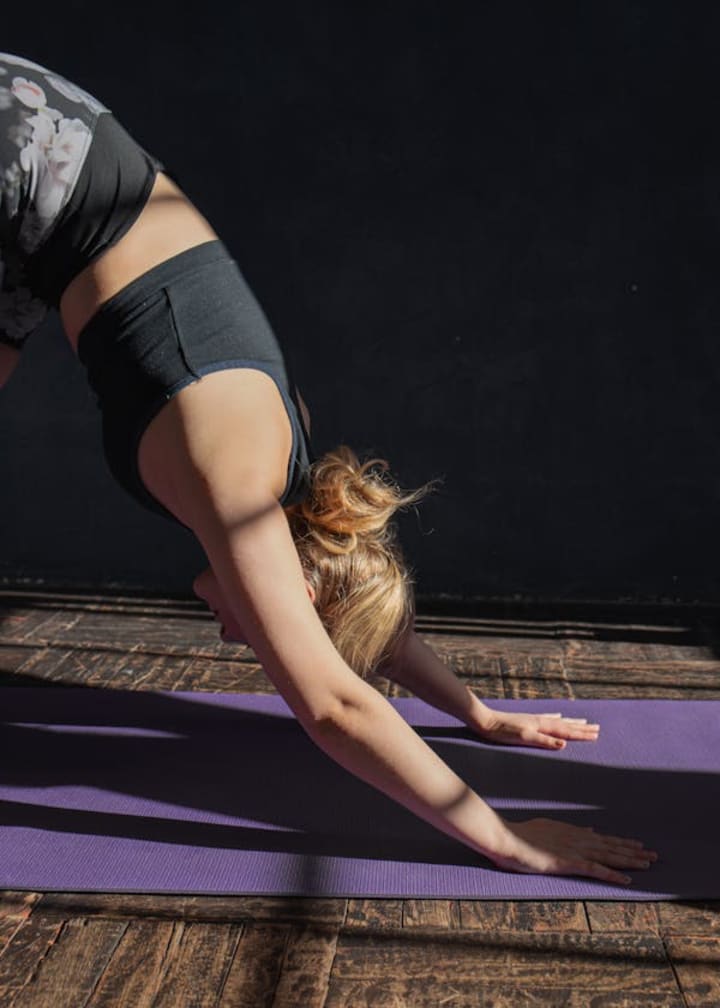
Child’s Pose (Balasana): This restorative posture allows the diaphragm to stretch and engage as you take slow, deep breaths. It helps relax the body, deepen the breath, and engage the diaphragm more fully.
Dirga Pranayama (Three-Part Breath): This breathing exercise involves filling the lungs in three parts: first the belly, then the ribs, and finally the chest. It strengthens the diaphragm, encourages full lung expansion, and improves overall breathing efficiency.
By strengthening the diaphragm, yoga allows for deeper, more controlled breathing, which directly supports better respiratory function and endurance.
Yoga for Specific Respiratory Conditions
Yoga can be especially beneficial for individuals with chronic respiratory conditions such as asthma, COPD, or bronchitis. Regular yoga practice helps improve lung function, increase oxygen intake, and reduce symptoms associated with these conditions. Certain breathing exercises, such as Nadi Shodhana, can help individuals with asthma manage their breath and reduce the frequency and severity of asthma attacks. Additionally, the stress-reducing benefits of yoga can help prevent exacerbations caused by anxiety or stress.
For those with COPD, yoga helps improve lung capacity, increase stamina, and manage symptoms through deep breathing exercises and gentle postures that expand the chest and lungs.
Conclusion
Yoga offers a powerful and holistic approach to improving respiratory function. Through the combination of breathing exercises (pranayama), postures that open the chest and lungs, and stress-reducing techniques, yoga enhances lung capacity, strengthens respiratory muscles, and supports overall respiratory health. Whether you're looking to manage a chronic respiratory condition, increase endurance, or simply breathe more deeply and mindfully, yoga provides a comprehensive solution to improving breathing and lung function. By incorporating yoga into your daily routine, you can enjoy better respiratory health, increased energy, and an overall improved quality of life.
About the Creator
William
I'm William, a passionate writer🏋️♂️ Health & Fitness Advocate 🌱 | Sharing tips on workouts 💪, nutrition 🥗, and wellness 🌞 to help you live a balanced, active life. Let’s reach your fitness goals together! 🌟
The Impact of Aviation on Remote Communities and Global Trade
Many communities around the world are located in places where geography makes transportation difficult. Mountain villages, island territories, remote northern settlements, and rural regions often lack reliable road or rail systems that connect them to major economic centers. Aviation has emerged as one of the most effective solutions for bridging these distances. As explained by Glenn Allyn, an aviation professional associated with White Plains, New York, air transportation enables remote communities to interact with global economies by providing fast, reliable connections for commerce, travel, and essential services.
By Glenn Allynabout 16 hours ago in Education
Bomb Scare
It was 2027, and the world never thought it would happen. A missle hit the United States, but it wasn't where they had anticipated. A little town in the northeast was hit by a missile strike, they didn't know why, and they didn't know exactly where it hit, but they did know it was a coastal community, somewhere between Maine and Delaware.
By Gregory Payton8 days ago in Fiction




Comments
There are no comments for this story
Be the first to respond and start the conversation.