
Impotance of Transport
Daily needs of public transport
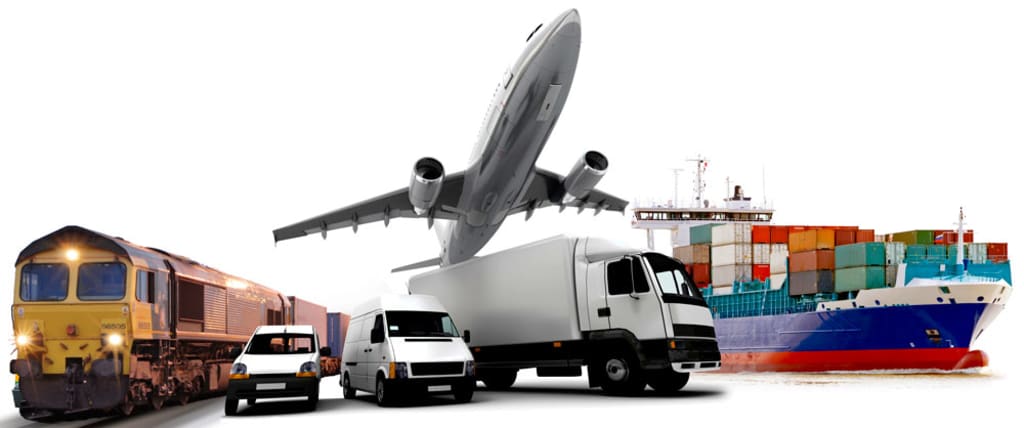
Transportation plays a vital role in our daily lives and is essential for the functioning of societies and economies around the world. It enables people and goods to move from one place to another, facilitating trade, commerce, and the exchange of ideas and information. Transportation also plays a key role in the tourism industry, as it enables people to travel to different destinations for leisure or business purposes.
In addition to its practical uses, transportation also has a significant impact on the environment and on people's quality of life. For example, the use of cars and other forms of motorized transportation can contribute to air pollution, while efficient and well-designed transportation systems can help reduce traffic congestion and improve accessibility for all members of a community.
Overall, the importance of transportation lies in its ability to connect people and facilitate the movement of goods and services, as well as its potential to improve the quality of life for individuals and communities.
Transportation is an essential part of everyday life. It allows us to get to work, school, and other necessary places, as well as to participate in leisure activities and visit loved ones. Transportation also plays a key role in the economy, as it enables the movement of goods and services. Without efficient and reliable modes of transportation, it would be difficult for people and businesses to function effectively.
There are many different types of transportation, including:
Land-based: cars, buses, trains, motorcycles, bicycles, and other vehicles that travel on land
Water-based: boats, ships, ferries, and other vehicles that travel on or through water
Air-based: airplanes, helicopters, and other aircraft that travel through the air
Space-based: spacecraft and other vehicles that travel through outer space
There are also various types of public transportation, such as subways, trams, and commuter trains, which are used by many people to travel within and between cities.
There are many different types of fuel that are used to power vehicles in the transportation sector. Some of the most common include:
Gasoline: This is a fossil fuel that is derived from crude oil and is commonly used to power cars, motorcycles, and other small vehicles.
Diesel: This is another type of fossil fuel that is commonly used to power trucks, buses, and other large vehicles. It is generally more efficient than gasoline and produces fewer emissions.
Ethanol: This is an alcohol-based fuel that is made from corn, sugarcane, or other plant materials. It is often used as a gasoline additive to reduce emissions, but it can also be used on its own as a fuel for flex-fuel vehicles.
Natural gas: This is a fossil fuel that is composed of methane and other hydrocarbons. It is often used to power buses and other fleet vehicles because it is cleaner-burning and less expensive than gasoline or diesel.
Electricity: This is a clean, renewable energy source that can be used to power electric vehicles. These vehicles are becoming increasingly popular due to their low operating costs and zero emissions.
Hydrogen: This is a clean-burning fuel that can be used to power fuel cell electric vehicles. These vehicles use a chemical reaction between hydrogen and oxygen to produce electricity, which is then used to power the vehicle's motor.
The future of transport is an exciting area of development that is likely to involve a combination of new technologies and approaches. Some potential developments that could shape the future of transport include:
Electric and autonomous vehicles: The proliferation of electric and autonomous vehicles could revolutionize the way we get around, making transport safer, more efficient, and more convenient.
Hyperloop: The Hyperloop is a high-speed transport system that uses a series of tubes to move pods containing passengers or cargo at speeds of up to 700 mph.
Vertical takeoff and landing vehicles: Developments in electric and autonomous vertical takeoff and landing vehicles (eVTOLs) could make it possible for people to travel short distances quickly and efficiently, without the need for roads or infrastructure.
Personal rapid transit (PRT): PRT systems use small vehicles that travel on dedicated tracks and can be summoned on demand. These systems could provide an efficient and convenient alternative to traditional forms of mass transit.
Space travel: While space travel is still in its infancy, it has the potential to revolutionize the way we think about transportation. Companies like SpaceX and Blue Origin are working on developing reusable rockets and other technologies that could make space travel more accessible and affordable.
Overall, it is likely that the future of transport will involve a combination of these technologies and approaches, which will work together to create a more efficient, convenient, and sustainable transportation system.
About the Creator
Keep reading
More stories from Santhosh kumar and writers in Education and other communities.
How Japan Saved Its Biggest City from Collapse
400 years ago, modern-day Tokyo was known as Edo, and it was already one of the biggest cities in the world, with a population approaching 1 million. However, it was on the verge of ecological collapse. Years of intense logging had led to massive deforestation. The city now faced timber shortages and the impacts of severe erosion and frequent flooding that threatened food supplies. But over just a few decades, Edo will transform and become one of the most sustainable and efficient cities in history.
By Munesh Yadav2 days ago in Education
Understanding Laravel Helper Functions and Their Use Cases
Laravel is widely appreciated for its clean syntax, expressive structure, and developer-friendly ecosystem. One of the most underrated yet powerful features of the framework is its built-in helper functions. These helpers simplify common tasks, reduce boilerplate code, and improve overall development speed. If you’re working with Laravel regularly, understanding helpers in Laravel can significantly improve how efficiently you write and maintain code, especially when building modern applications such as dashboards, SaaS platforms, or integrations with tools like the Best AI Video Ads Tools for marketing automation.
By Lennox Gray2 days ago in Education



Comments
There are no comments for this story
Be the first to respond and start the conversation.