
Importance of power plant
Why is it important to plant a power station?
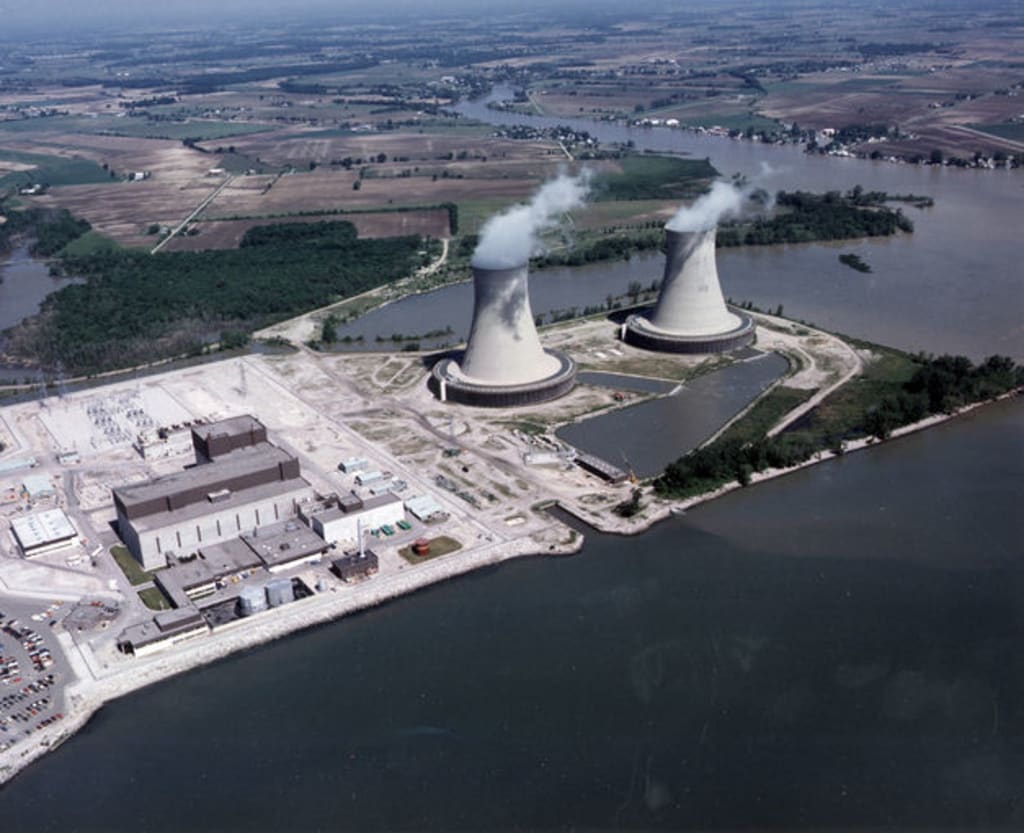
The Importance of Power Plants in Modern Society
In the ever-evolving landscape of the 21st century, power plants have emerged as crucial pillars of modern civilization. These engineering marvels serve as the primary sources of energy production, especially in the form of electricity, which has become the lifeblood of contemporary existence. From powering homes and businesses to fueling industries and technological advancements, power plants play a multifaceted and indispensable role in shaping the world we live in today. In this essay, we will explore the numerous reasons why power plants are of paramount importance to society.
At the heart of the significance of power plants lies their fundamental role in electricity generation. Electricity has become an inseparable part of daily life, permeating virtually every aspect of our existence. It illuminates our homes, allows us to connect with others through digital communication, keeps essential medical equipment running in hospitals, and powers the industries that drive economic growth. Without the steady supply of electricity from power plants, modern life as we know it would come to a grinding halt, thrusting us back into an era characterized by darkness and isolation.
The link between power plants and economic development cannot be understated. Industries and commercial establishments rely heavily on electricity to power their operations efficiently. Whether it's manufacturing, services, or research and development, a stable supply of electricity from power plants is essential for productivity and growth. Countries with robust power generation capabilities are better equipped to attract foreign investments, promote domestic industries, and create job opportunities for their citizens, ultimately contributing to overall economic prosperity.
Energy security is a vital aspect of a nation's stability and resilience. Power plants play a critical role in ensuring energy security by reducing dependency on external energy sources. A diverse mix of power generation, including fossil fuels, nuclear, and renewable energy sources, provides countries with a strategic advantage during times of geopolitical uncertainty or energy supply disruptions. Power plants give nations greater control over their energy destiny, mitigating the risks associated with overreliance on imports and fluctuations in global energy prices.
Infrastructure development is intricately tied to the establishment of power plants. The demand for electricity drives the expansion and enhancement of electrical grids, transmission lines, and distribution networks. This infrastructure backbone ensures that electricity can be reliably and efficiently delivered to end-users, even in remote or underdeveloped regions. The availability of electricity facilitates further infrastructural growth, including improved transportation, communication, and educational facilities, all of which contribute to overall societal progress.
Power plants are also catalysts for technological advancements. The pursuit of more efficient and sustainable energy production methods has led to innovations in power generation technologies. Research and development in renewable energy sources like solar, wind, hydro, and geothermal power have gained significant momentum. By embracing and investing in these green alternatives, power plants can reduce their carbon footprint, mitigate climate change, and preserve the environment for future generations.
In healthcare, power plants play a vital role in sustaining medical facilities and ensuring the well-being of patients. Hospitals and clinics rely heavily on a constant and reliable power supply to operate life-saving medical equipment, maintain temperature-sensitive environments, and preserve medicines and vaccines. Access to electricity is, quite literally, a matter of life and death in critical medical situations, making power plants essential partners in the field of healthcare.
During emergencies and natural disasters, power plants become even more critical. They provide the necessary energy for emergency services, communication networks, and relief efforts. Electricity helps coordinate rescue operations, offer medical assistance, and supply basic necessities to affected communities. Power plants are central to disaster recovery, helping societies rebuild and regain stability in the face of adversity.
Education and communication are pillars of progress in any society, and power plants are indispensable to both. Schools, colleges, and universities rely on electricity for lighting, heating, cooling, and powering essential educational technologies. The digital age has further underscored the importance of electricity in enabling online learning, research, and access to a vast repository of information. Communication networks, including the internet, mobile phones, and broadcasting, are reliant on a steady supply of electricity to connect individuals and disseminate information on a global scale.
The environmental impact of power plants cannot be ignored. The type of power generation utilized can have profound consequences for the planet. Traditional fossil fuel-based power plants emit greenhouse gases, contributing to climate change and air pollution. However, with the shift towards renewable energy sources, power plants can play a significant role in reducing emissions and preserving the environment for future generations.
In conclusion, power plants stand at the heart of modern society, providing the energy required for the functioning of every facet of our lives. From supporting economic growth and infrastructure development to advancing technology and promoting healthcare and education, their significance is undeniable. As we face global challenges such as increasing energy demands and climate change, the importance of developing cleaner, more efficient, and sustainable power generation methods becomes ever more apparent. With continued innovation and collaboration, power plants can continue to be instrumental in shaping a brighter and more sustainable future for humanity.
About the Creator
Keep reading
More stories from writers in Education and other communities.
Innovation and Adaptability in Action: How to Thrive in a Fast-Changing World
The modern world changes fast. New tools, new ideas, and new challenges appear every day. People and organizations must respond with speed and purpose. This is why innovation and adaptability matter more than ever. These skills help individuals, teams, and businesses stay strong during change. They support growth, learning, and long-term success. When change feels constant, the right mindset can turn risk into opportunity. Innovation and adaptability are not abstract ideas. They are daily actions. They guide how we solve problems, learn new skills, and adjust plans. They help us move forward when old ways no longer work. In a world shaped by technology, climate issues, and social shifts, these qualities are essential.
By Brian Ferdinand7 days ago in Education


Comments
There are no comments for this story
Be the first to respond and start the conversation.