
Importance of girl child education
Why the girl child should be educated in minority countries like Nigeria
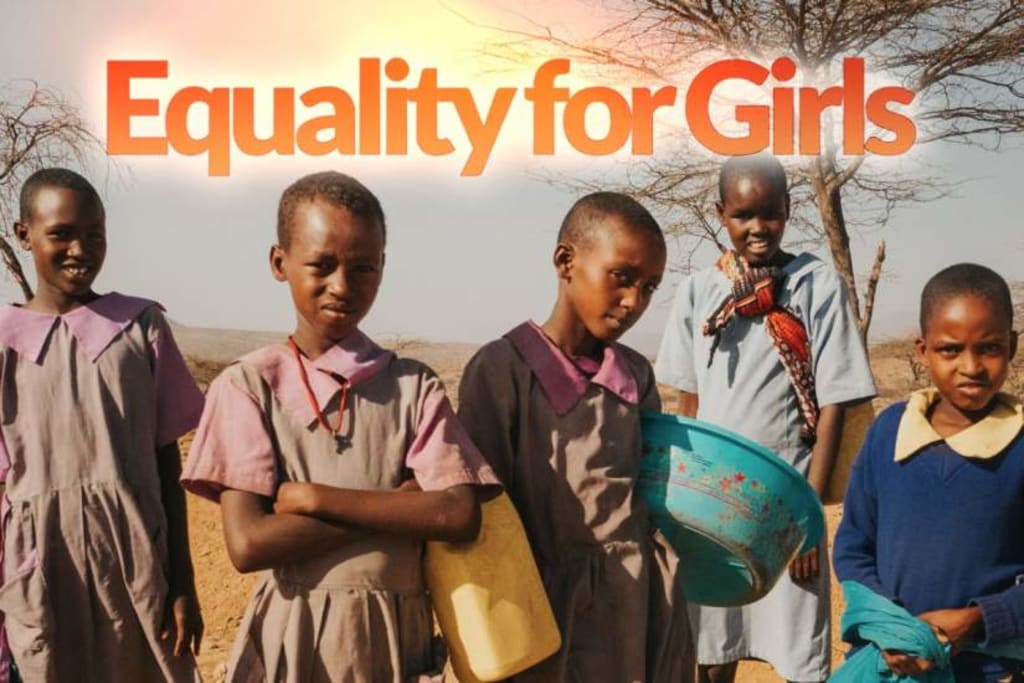
Education is the key to empowerment and progress, and its significance cannot be overstated. In this modern era, it is imperative to recognize the crucial role that education plays in shaping the lives and futures of individuals. Among the various dimensions of education, the empowerment of girls through education holds paramount importance. Educating girls not only benefits them as individuals but also brings about positive transformations in their families, communities, and societies at large. This essay aims to explore the numerous reasons why girl child education is of utmost significance, examining its multifaceted impacts on health, economic development, gender equality, and social progress.
Empowerment and Self-Actualization: Education provides a platform for girls to discover their potential and realize their aspirations. By receiving an education, girls are empowered to become self-reliant individuals capable of making informed decisions about their lives. Education equips them with knowledge, critical thinking skills, and the ability to express themselves effectively. Through education, girls gain confidence and a sense of purpose, enabling them to navigate and overcome challenges they may encounter in various spheres of life. Education opens doors to a world of opportunities, allowing girls to pursue higher education, careers, and personal growth. This empowerment not only benefits the individual girl but also contributes to a more equitable society where women can actively participate in decision-making processes.
Health and Well-being: Girl child education plays a pivotal role in improving health outcomes. Educated girls are more likely to understand the importance of hygiene, proper nutrition, and healthcare practices, leading to better personal and family health. Education equips girls with knowledge about reproductive health, enabling them to make informed choices and take charge of their well-being. Studies have consistently shown a correlation between girl child education and reduced rates of maternal and infant mortality, as educated girls are more likely to seek prenatal care, have smaller families, and adopt healthier lifestyles. Furthermore, educated girls are better equipped to address public health issues in their communities, disseminate information, and promote preventive measures. Investing in the education of girls thus becomes a critical component of achieving global health objectives.
Economic Development and Poverty Alleviation: Girl child education is intricately linked to economic development and poverty alleviation. When girls are educated, they acquire knowledge and skills that enhance their employability and income-earning potential. Educated girls are more likely to secure stable employment, break the cycle of poverty, and contribute to their families' financial well-being. Moreover, girls who receive an education are more likely to invest in their children's education, creating a positive intergenerational cycle of progress. The economic benefits of educating girls extend beyond individual families and have broader implications for national economies. A World Bank study estimated that every additional year of schooling for girls can increase a country's GDP by 0.3 percent. Thus, investing in girl child education is not only a moral imperative but also an economically prudent decision that fuels sustainable development and reduces inequalities.
Gender Equality and Social Progress: Education is a powerful tool for challenging and transforming gender norms and promoting gender equality. By educating girls, societies dismantle barriers that have historically impeded their progress and denied them equal opportunities. Education enables girls to challenge traditional gender roles, stereotypes, and discriminatory practices. It fosters a mindset that values gender equity and respects the rights and dignity of all individuals. Educated girls are more likely to be aware of their rights, advocate for gender equality, and actively participate in decision-making processes in their families, communities, and society at large. As more girls gain access to education, societies become more inclusive, just, and democratic. By investing in girl child education, nations pave the way for a future that embraces diversity, empowers women, and creates a more equitable world.
Girl child education is not merely an issue of justice and human rights; it is a catalyst for progress and a prerequisite for sustainable development. Educating girls has far-reaching positive impacts on health, economic development, gender equality, and social progress. It empowers girls, enhances their well-being, strengthens economies, and fosters more inclusive and equitable societies. Governments, organizations, and individuals must prioritize and invest in the education of girls, ensuring equal access, quality education, and supportive environments. By doing so, we can unleash the immense potential of girls and pave the way for a brighter and more prosperous future for all.
About the Creator
Keep reading
More stories from writers in Education and other communities.
Canadian Work Permit 2026: Check If You Qualify to Work in Canada
Canada continues to be one of the top destinations for foreign workers, offering competitive salaries, a strong economy, and an excellent quality of life. With new immigration adjustments expected in 2026, understanding Canada’s work permit system has become more important than ever.
By Ayesha Lasharia day ago in Education
A Letter to the Firestarter
Dear Firestarter, We can all see you, we've been watching you since you began. In case you didn't know we were here before you and we will be here after. We witnessed your rise, your setbacks, your guilt and your lies. We witnessed you start the fire.
By Donny Foley6 days ago in Poets



Comments
There are no comments for this story
Be the first to respond and start the conversation.