
IMPORTANCE OF BODY WEIGHT
The matter of human body weight


What is body weight?
Body weight refers to the numerical measure of the mass of an individual's body. It represents the total amount of mass or weight a person carries, which includes not only body fat but also muscles, bones, organs, fluids, and other tissues. Body weight is typically measured in units such as kilograms (kg) or pounds (lb).
Body weight can vary significantly among individuals due to various factors, including genetics, lifestyle, diet, and overall body composition. It is influenced by factors such as muscle mass, body fat percentage, bone density, and fluid retention.
Body weight is often used as a general indicator of health and is commonly considered in relation to an individual's height to determine Body Mass Index (BMI). However, it's important to note that body weight alone may not provide a complete picture of a person's health status or body composition. Other measurements, such as waist circumference, body fat percentage, and overall fitness level, may also be relevant in assessing an individual's overall health and well-being.
Why does body weight matter?
Body weight matters for several reasons:

Health:
Maintaining a healthy body weight is closely linked to overall health and well-being. Excess weight, particularly in the form of body fat, can increase the risk of various health conditions, including heart disease, high blood pressure, type 2 diabetes, certain types of cancer, and joint problems. Conversely, being underweight can also pose health risks, such as nutrient deficiencies and weakened immune function.
Physical Function:
Body weight affects physical capabilities and performance. Carrying excess weight can put a strain on the joints, leading to decreased mobility and increased risk of injury. Being at a healthy weight can enhance physical fitness, endurance, and overall functional abilities.
Body Composition:
Body weight is closely related to body composition, which refers to the proportion of fat, muscle, bone, and other tissues in the body. Maintaining a healthy body weight helps promote a favorable body composition, with an optimal balance of lean muscle mass and lower levels of excess body fat.
Psychological Well-being:
Body weight can have an impact on mental and emotional well-being. Body image concerns, low self-esteem, and body dissatisfaction are common among individuals who struggle with their weight. Achieving and maintaining a healthy body weight can contribute to improved self-confidence, body acceptance, and overall psychological well-being.
Disease Prevention:
Proper weight management plays a crucial role in the prevention of chronic diseases. By maintaining a healthy weight, individuals can reduce their risk of developing conditions such as cardiovascular disease, type 2 diabetes, certain cancers, and metabolic syndrome.
Longevity:
Numerous studies have demonstrated that maintaining a healthy body weight is associated with increased longevity. Excessive weight gain or obesity is linked to a higher risk of premature death while maintaining a healthy weight can contribute to a longer and healthier life.
It's important to note that body weight is just one aspect of overall health. Other factors, such as physical activity, nutrition, genetics, and individual circumstances, also play a significant role. Consulting with healthcare professionals and adopting a holistic approach to health and well-being is essential for maintaining a healthy body weight.
Win Your life with healthy habits
What are the main causes of abnormal body weight?
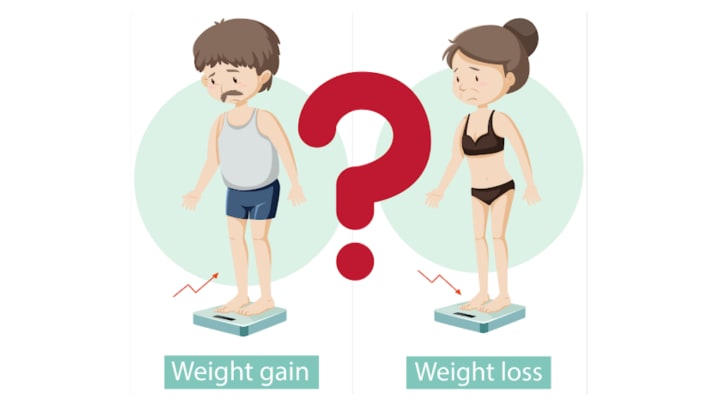
Abnormal body weight, whether it is being underweight or overweight, can be caused by a combination of various factors. Here are some of the main causes:
Poor Diet:
Unhealthy eating habits, such as consuming excessive calories, high amounts of processed foods, sugary beverages, and lacking essential nutrients, can contribute to abnormal weight gain. Similarly, a consistently inadequate intake of calories or essential nutrients can lead to being underweight.
Sedentary Lifestyle:
Lack of physical activity and a sedentary lifestyle can contribute to weight gain. When energy intake exceeds energy expenditure over time, it can lead to weight gain and the accumulation of excess body fat. Conversely, a highly active lifestyle without adequate caloric intake can contribute to being underweight.
Genetics and Family History:
Genetic factors play a role in determining body weight and body composition. Certain genetic variations can influence metabolism, appetite regulation, and the tendency to store or burn fat. A family history of being overweight or obese can also increase the risk of abnormal body weight.
Medical Conditions:
Certain medical conditions and hormonal imbalances can contribute to abnormal body weight. Examples include hypothyroidism (underactive thyroid), polycystic ovary syndrome (PCOS), Cushing's syndrome, and certain genetic disorders. These conditions can affect metabolism, hormone levels, and the body's ability to regulate weight.
Medications:
Some medications, such as certain antidepressants, antipsychotics, corticosteroids, and medications used to treat specific health conditions, can cause weight gain or weight loss as a side effect.
Psychological Factors:
Psychological factors, including stress, emotional eating, and disordered eating behaviors, can influence body weight. Emotional distress, depression, and anxiety can lead to overeating or underrating, resulting in abnormal weight changes.
Socioeconomic Factors:
Socioeconomic factors, including access to healthy food options, education, and economic status, can impact body weight. Limited resources, food insecurity, and living in food deserts may contribute to an unhealthy diet and an increased risk of abnormal weight.
It's important to note that individual experiences with abnormal body weight can be complex, and multiple factors often interact. Consultation with healthcare professionals, such as doctors, registered dietitians, or other specialists, can help identify the specific causes and develop appropriate strategies for managing and maintaining a healthy body weight.
Supporting the body’s natural health!
What are the major causes for overweight?
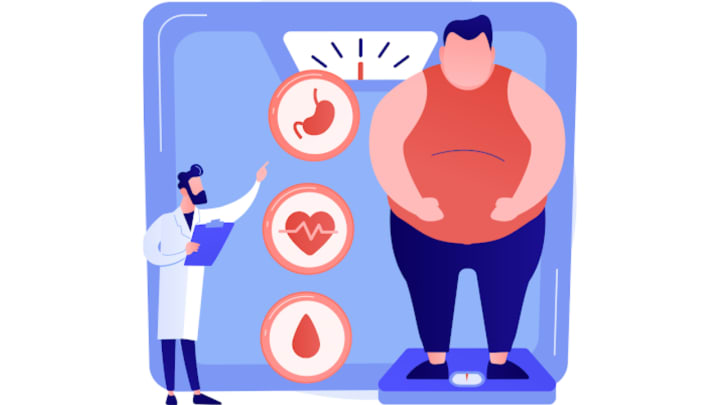
There are several major causes of overweight and obesity, which result from a combination of genetic, environmental, and lifestyle factors. Here are some of the primary causes:
Poor Diet:
Consuming excessive amounts of high-calorie, processed, and fast foods that are rich in unhealthy fats, sugars, and refined carbohydrates can contribute to weight gain. These foods are often low in essential nutrients and high in calories, leading to overeating and weight gain.
Sedentary Lifestyle:
Lack of physical activity or a sedentary lifestyle is a significant contributor to overweight and obesity. With the rise of technology and desk jobs, many people spend long hours sitting or engaging in minimal physical activity, burning fewer calories than they consume.
Genetics:
Genetics can play a role in determining a person's susceptibility to weight gain and obesity. Some individuals may inherit genes that affect their metabolism, appetite, and fat storage, making it easier for them to gain weight.
Environmental Factors:
The environment we live in can influence our eating and physical activity behaviors. Factors such as the easy availability of high-calorie foods, larger portion sizes, and food marketing that promotes unhealthy choices can contribute to overeating and weight gain. Additionally, certain neighborhoods may lack safe outdoor spaces or resources for physical activity, limiting opportunities for exercise.
Emotional Factors:
Emotional factors, such as stress, boredom, and depression, can lead to overeating or using food as a coping mechanism. Emotional eating can result in consuming excess calories and contributing to weight gain.
Medical Conditions:
Some medical conditions can contribute to weight gain or make weight loss more challenging. Hormonal disorders, such as hypothyroidism or polycystic ovary syndrome (PCOS), can affect metabolism and lead to weight gain. Certain medications, such as antidepressants, antipsychotics, and corticosteroids, may also have weight gain as a side effect.
Lack of Sleep:
Inadequate sleep or poor sleep quality can disrupt hormonal regulation and increase appetite, leading to overeating and weight gain.
It's important to note that these causes often interact with one another, creating a complex web of factors that contribute to overweight and obesity. Addressing these causes typically involves adopting a balanced and nutritious diet, increasing physical activity, managing stress levels, and seeking professional medical advice when necessary.
Supporting the body’s natural health!
The health risks of overweight and obesity
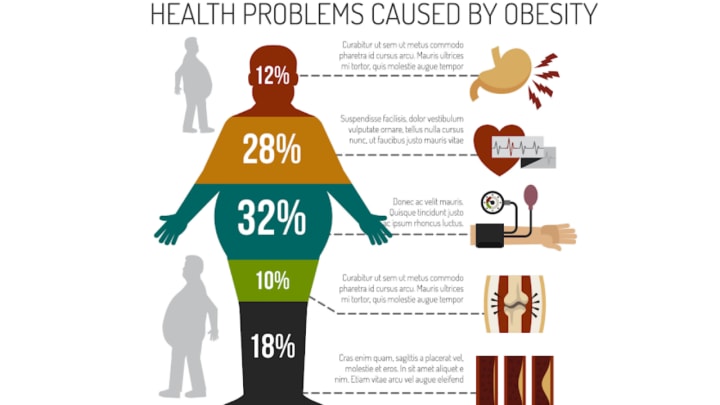
Overweight and obesity are associated with a range of health risks and medical conditions. Here are some of the major health risks:
Cardiovascular Disease:
Excess weight puts a strain on the heart and increases the risk of developing various cardiovascular diseases, including coronary artery disease, heart attack, high blood pressure (hypertension), and stroke.
Type 2 Diabetes:
Obesity is a significant risk factor for developing type 2 diabetes. Excess body fat, particularly around the abdomen, can impair insulin function and lead to insulin resistance, increasing blood sugar levels.
Certain Cancers:
Obesity has been linked to an increased risk of several types of cancers, including breast, colon, ovarian, pancreatic, kidney, and liver cancers.
Sleep Apnea and Respiratory Problems:
Excess weight can contribute to the development of sleep apnea, a condition characterized by pauses in breathing during sleep. Obesity can also lead to respiratory problems, such as shortness of breath, asthma, and reduced lung function.
Joint Problems:
The additional weight carried by overweight or obese individuals puts stress on the joints, particularly the knees, and hips. This can lead to joint pain, osteoarthritis, and an increased risk of joint injuries.
Gastrointestinal Disorders:
Obesity increases the likelihood of developing gastrointestinal disorders such as gastroesophageal reflux disease (GERD), gallbladder disease, and non-alcoholic fatty liver disease (NAFLD).
Mental Health Issues:
Being overweight and obese can have negative effects on mental health, contributing to low self-esteem, body image dissatisfaction, depression, and anxiety.
Reproductive Problems:
In women, obesity can disrupt hormonal balance and menstrual cycles, leading to fertility issues and complications during pregnancy. In men, obesity can affect fertility by reducing testosterone levels.
Metabolic Syndrome:
Obesity often coincides with metabolic syndrome, a cluster of conditions that include high blood pressure, high blood sugar, abnormal cholesterol levels, and excess abdominal fat. Metabolic syndrome increases the risk of heart disease, stroke, and type 2 diabetes.
Reduced Life Expectancy:
The cumulative impact of these health risks significantly reduces life expectancy for individuals who are overweight or obese compared to those with a healthy weight.
It's important to note that not everyone who is overweight or obese will develop all of these health problems, and individual risk varies. However, maintaining a healthy weight through a balanced diet, regular physical activity, and lifestyle modifications can help reduce the risk of these health complications. If you have concerns about your weight or health, it's always recommended to consult with a healthcare professional.
Simple Way to Maintain a HealthyDigestion
The downside of weight loss

While achieving and maintaining a healthy weight is generally beneficial for overall health, it's important to be aware of potential downsides or challenges that can arise during the weight loss process. Here are a few common downsides to consider:
Plateaus:
Weight loss progress may not always be linear. Plateaus can occur when you experience a stall or slowdown in weight loss despite your efforts. This can be frustrating and may require adjusting your approach or seeking support from a healthcare professional.
Nutritional deficiencies:
When following a restrictive or overly restrictive diet, there is a risk of not obtaining all the necessary nutrients for optimal health. It's important to ensure you're consuming a well-balanced diet and, if necessary, consult with a healthcare professional or registered dietitian to address any potential nutrient deficiencies.
Muscle loss:
Rapid or excessive weight loss can result in muscle loss along with fat loss. This can be detrimental to overall health and metabolism, as muscles are important for strength, movement, and calorie burning. Incorporating regular strength training exercises and consuming adequate protein can help preserve muscle mass during weight loss.
Loose skin:
Significant weight loss, especially over a short period, may lead to loose or sagging skin. This is more common in individuals who have lost a substantial amount of weight. While the skin may gradually regain some elasticity over time, surgical procedures may be an option for those seeking to address excess skin.
Emotional challenges:
Weight loss journeys can bring about emotional challenges, including body image issues, feelings of deprivation, social pressure, and emotional eating. It's important to prioritize mental and emotional well-being alongside physical health. Seeking support from a therapist, counselor, or support group can be helpful.
Weight regain:
Maintaining weight loss can be a long-term challenge for many individuals. Without sustainable lifestyle changes, there is a risk of regaining weight after initially losing it. It's important to focus on adopting healthy habits and behaviors that can be maintained in the long run, rather than relying on short-term or drastic measures.
Remember that every individual's weight loss journey is unique, and the downsides mentioned above may not apply to everyone. It's important to approach weight loss with realistic expectations, seek support from healthcare professionals or registered dietitians, and prioritize overall well-being rather than solely focusing on the number on the scale.
Tips to Maintain a Healthy Weight

Maintaining a healthy weight is important for overall well-being and reducing the risk of various health conditions. Here are some tips to help you maintain a healthy weight:
Balanced diet:
Eat a well-balanced diet that includes a variety of fruits, vegetables, whole grains, lean proteins, and healthy fats. Avoid or limit processed foods, sugary beverages, and foods high in saturated and trans fats.
Portion control:
Be mindful of portion sizes and avoid overeating. Use smaller plates and bowls to help control portion sizes and listen to your body's hunger and fullness cues.
Regular meals:
Stick to a regular eating schedule with three balanced meals a day. Avoid skipping meals as it may lead to overeating later on.
Mindful eating:
Pay attention to your eating habits and engage in mindful eating. Slow down, savor each bite, and eat without distractions such as watching TV or using electronic devices. This can help you recognize when you're full and prevent overeating.
Stay hydrated:
Drink plenty of water throughout the day. Sometimes we mistake thirst for hunger, so staying hydrated can help control unnecessary snacking.
Physical activity:
Incorporate regular physical activity into your routine. Aim for at least 150 minutes of moderate-intensity aerobic exercise or 75 minutes of vigorous-intensity exercise per week, along with strength training exercises twice a week.
Find enjoyable activities:
Engage in activities you enjoy to make exercise a fun part of your daily life. It could be dancing, hiking, swimming, cycling, or any other activity that gets you moving and active.
Monitor your weight:
Keep track of your weight regularly to ensure you're staying within a healthy range. However, remember that weight is just one aspect of overall health, and focus on adopting healthy habits rather than obsessing over the numbers.
Get enough sleep:
Aim for 7-9 hours of quality sleep each night. Poor sleep can affect your appetite-regulating hormones and lead to weight gain.
Manage stress:
Find healthy ways to manage stress, such as practicing relaxation techniques, meditation, yoga, or engaging in hobbies you enjoy. Stress can contribute to overeating or making unhealthy food choices.
Support system:
Surround yourself with a supportive network of family and friends who encourage and motivate you to maintain a healthy weight. Consider joining a support group or seeking professional help if needed.
Remember, maintaining a healthy weight is a long-term commitment, and it's important to focus on adopting sustainable lifestyle changes rather than resorting to quick-fix solutions or crash diets. Consulting a healthcare professional or a registered dietitian can also provide personalized guidance based on your specific needs and goals.
Simple Way to Maintain a HealthyDigestion
1. The truth about the choices that you make in life.

Win your life by keeping healthy life with an educated mind and healthy habits.
Order your e-book with click here
2. Supporting the body’s natural health!

3. Simple Way to Maintain a Healthy Digestion

You can support the health of your digestive system with 100% natural ingredients, to enjoy a smooth gastric transit, no matter if you are 40 or 80 years old.
About the Creator
Dinesh Premabandu
As a freelance writer and researcher, I am a passionate and dedicated individual with a keen eye for detail and a love for words. With broad of experience in the field, I have honed my skills in producing high-quality contents any topics
Keep reading
More stories from Dinesh Premabandu and writers in Education and other communities.
THE IMPORTANCE OF MENTAL HEALTH AND THE AWARENESS
Introduction In our pursuit of a satisfying and satisfied existence, we frequently cognizance of physical nicely-being, professional achievement, and private relationships. However, amidst the hustle and bustle of day-by-day existence, one component that we have to by no means forget about is our mental health. Just as physical fitness is crucial to our overall nicely-being, mental health plays a similarly vast function.
By Dinesh Premabandu3 years ago in Education
What is Affiliate Marketing: A Beginner's Step-by-Step Guide
Affiliate marketing is a performance-based online business model that generates over $12 billion annually in the U.S. alone and continues to grow as e-commerce expands. At its core, affiliate marketing allows individuals to earn commissions by promoting products or services created by other companies. Affiliates share unique tracking links through websites, blogs, social media, email lists, or videos, and earn a percentage of each sale or action completed through those links. Because affiliates don’t handle product creation, inventory, payment processing, or customer support, it’s one of the most accessible ways to monetize an online presence.
By Mohammad Sufyaan4 days ago in Education




Comments
There are no comments for this story
Be the first to respond and start the conversation.