
Human Rights Overview
Introduction: The concept and history of human rights The Universal Declaration of Human Rights and its principles Current challenges in the protection and promotion of human rights The role of NGOs, activists and international organizations Conclusion: The ongoing importance of human rights for global security and dignity.

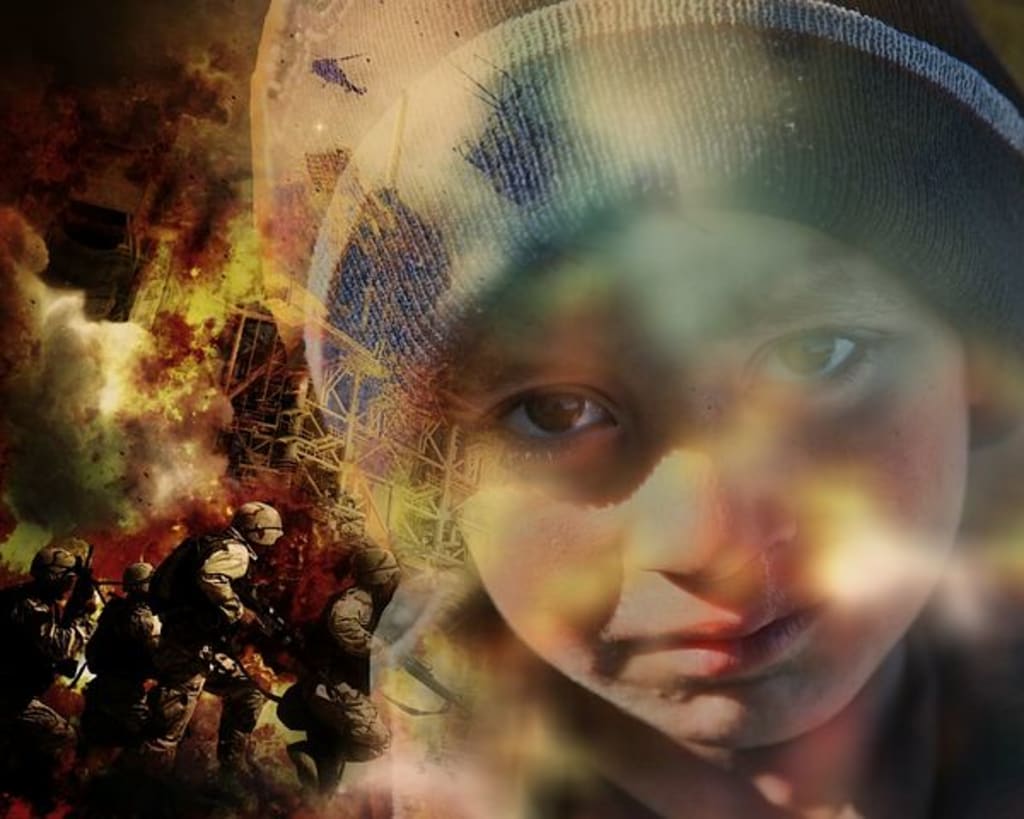
Human Rights: An Overview
Human rights are the basic rights and freedoms that are entitled to every person, regardless of their race, gender, religion, or nationality. These rights include the right to life, liberty, and security of person; freedom of thought, conscience, and religion; and the right to education, work, and fair treatment under the law.
The concept of human rights has a long history, dating back to ancient civilizations such as Greece and Rome. However, it was not until the 20th century that the modern concept of human rights as we know it today began to take shape. The atrocities of World War II, including the Holocaust and the use of atomic weapons, led to a renewed commitment to the protection of human rights on a global scale.
The Universal Declaration of Human Rights, adopted by the United Nations in 1948, is considered to be the foundation of international human rights law. The Declaration sets out a wide range of rights and freedoms, including the right to freedom from discrimination, the right to free speech and peaceful assembly, and the right to a fair trial.
One of the key principles of human rights is the idea of universality. This means that all human rights apply to all people, everywhere, regardless of their race, gender, religion, or nationality. This principle is reflected in the fact that the Universal Declaration of Human Rights is not a legally binding document, but rather a statement of the rights and freedoms that all people should be able to enjoy.
Another important principle of human rights is the idea of interdependence and indivisibility. This means that all human rights are interconnected and that the enjoyment of one right is dependent on the enjoyment of others. For example, the right to freedom of speech is closely linked to the right to freedom of thought and conscience, and the right to education is closely linked to the right to work.
Despite the widespread acceptance of the principles of human rights, there are many countries around the world where these rights are not fully respected. In some cases, governments actively violate the rights of their citizens through the use of torture, extrajudicial killings, and other forms of repression. In other cases, governments may fail to protect the rights of their citizens due to a lack of resources or political will.
One of the major challenges facing the human rights community today is the issue of accountability. Holding governments and other actors accountable for human rights violations is essential for ensuring that these violations do not continue. However, many countries have weak legal systems and lack the political will to hold those responsible for human rights abuses accountable.
There are many different organizations and individuals working to promote and protect human rights around the world. These include non-governmental organizations (NGOs), human rights activists, and international organizations such as the United Nations. The work of these groups can include documenting human rights abuses, providing legal assistance to victims, and advocating for policy changes to address human rights issues.
In conclusion, human rights are the basic rights and freedoms that are entitled to every person. These rights are grounded in the principles of universality and indivisibility, and are essential for ensuring that all people can live in dignity and security. While progress has been made in protecting human rights in recent decades, there is still much work to be done to ensure that these rights are fully respected and protected around the world.
An additional point that is important to note about human rights is the concept of economic, social, and cultural rights. These rights include the right to an adequate standard of living, the right to education, and the right to participate in cultural life. These rights are often considered to be "second generation" rights, and are considered to be just as important as civil and political rights.
Economic, social, and cultural rights are often more difficult to protect and promote than civil and political rights, as they require resources and long-term planning. However, these rights are essential for ensuring that all people have the opportunity to live a fulfilling life, and to participate fully in society.
Another important point is the intersectionality of human rights. Many individuals face multiple and intersecting forms of discrimination based on their race, gender, class, sexual orientation, and other factors. It is important to understand and address these intersections in order to fully protect and promote human rights for all individuals.
Finally, it is important to note that the protection and promotion of human rights is not only the responsibility of governments, but also of non-state actors such as businesses and individuals. Businesses have an obligation to respect human rights, and individuals have a responsibility to advocate for human rights and to hold those in power accountable for violations.
About the Creator
Reader insights
Outstanding
Excellent work. Looking forward to reading more!
Top insights
Compelling and original writing
Creative use of language & vocab
Easy to read and follow
Well-structured & engaging content
Excellent storytelling
Original narrative & well developed characters
Expert insights and opinions
Arguments were carefully researched and presented
Eye opening
Niche topic & fresh perspectives
Heartfelt and relatable
The story invoked strong personal emotions
Masterful proofreading
Zero grammar & spelling mistakes
On-point and relevant
Writing reflected the title & theme
Keep reading
More stories from @Sakthivel and writers in Education and other communities.
Pearl
1980 something. we all hung out at Pearl and you and i were nothing special, or so i thought. i mean we all danced, drenched in our own sweat, our own saline solution of fear, too many beers, shots, laughter, tears, fucks in the bathroom and i don't know when we began to be afraid. do you?
By ROCK aka Andrea Polla (Simmons)6 days ago in Fiction




Comments
There are no comments for this story
Be the first to respond and start the conversation.