
Human Resource Management System: A Modern Necessity
HRMS

The Changing Face of Human Resource Management
The traditional approach to managing human resources has undergone a dramatic transformation. In the past, HR departments operated primarily as administrative units, focused on payroll, attendance, and record-keeping. These tasks were handled manually using physical files and spreadsheets, which were time-consuming, error-prone, and inefficient. As the workplace became more complex—featuring remote teams, growing compliance regulations, and increased competition for talent—the demand for a smarter, more integrated solution became inevitable. This gave rise to the Human Resource Management System (HRMS), an all-in-one digital platform that automates and centralizes HR operations. From recruitment to retirement, HRMS helps companies manage every stage of the employee lifecycle. It eliminates redundant tasks, improves data accuracy, and frees up HR professionals to focus on strategic goals such as employee engagement, workforce planning, and organizational development. In today’s business landscape, where agility and efficiency are critical, HRMS is not just helpful—it’s essential.
Key Features and Functions of Modern HRMS Platforms
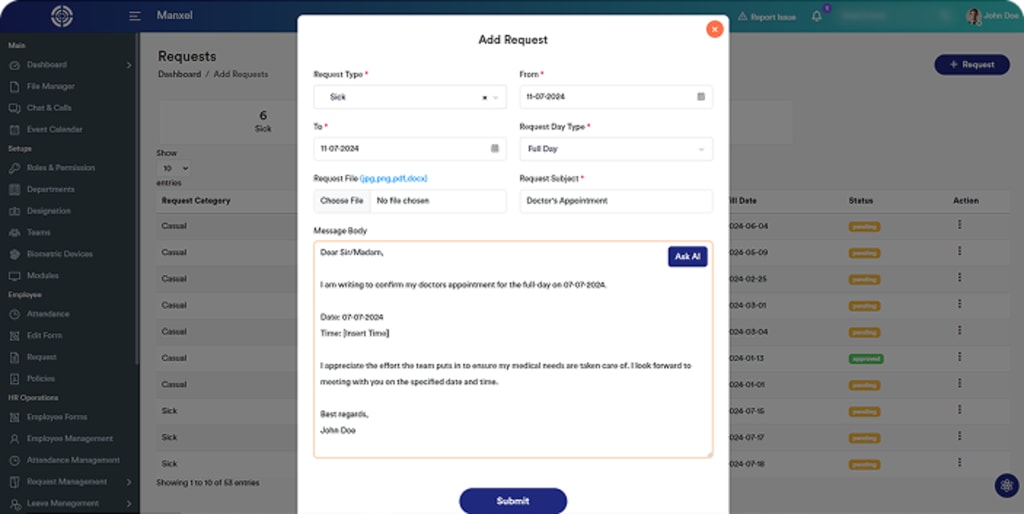
Modern HRMS platforms are designed to be comprehensive, flexible, and user-friendly. They typically consist of various modules that cater to specific HR functions. Recruitment and applicant tracking systems help HR teams find and hire the right talent faster by automating job postings, resume screening, and interview scheduling. Once a candidate is hired, onboarding modules ensure a smooth transition by guiding new employees through company policies, documentation, and training. Payroll and benefits administration modules automate tax calculations, manage compensation structures, and ensure compliance with labor laws—reducing errors and improving transparency. Time and attendance tracking features help monitor work hours, vacation requests, and absences, while performance management tools allow for real-time feedback, goal setting, and appraisals. Self-service portals give employees direct access to their personal information, pay slips, and learning materials, increasing engagement and reducing the administrative burden on HR staff. Most modern HRMS platforms also offer robust analytics and reporting capabilities, empowering organizations to make data-driven decisions and forecast future HR needs.
Why HRMS is a Strategic Necessity for Organizations
Beyond automation and convenience, the true power of an HRMS lies in its ability to drive strategic value. By centralizing employee data and streamlining HR processes, organizations gain clearer insights into workforce trends, productivity, turnover rates, and skills gaps. This information is critical for strategic planning, talent management, and budgeting. Moreover, HRMS platforms ensure compliance with evolving labor laws and industry standards, helping organizations avoid costly penalties and legal issues. For small and medium-sized enterprises (SMEs), adopting an HRMS might seem like a major investment, but the return is significant—ranging from operational efficiency to improved employee satisfaction. Cloud-based systems make implementation easier and more cost-effective, while scalability ensures that the platform grows with the business. However, successful implementation requires careful planning, including data migration, system training, and change management. When done correctly, the HRMS becomes a central pillar of the organization’s HR infrastructure, enabling it to attract, retain, and nurture talent effectively.
The Future of HRMS: Innovation and Employee-Centric Design
As technology continues to evolve, so too will the capabilities of HRMS platforms. Artificial intelligence (AI) and machine learning are already being used to enhance functions like predictive analytics, smart hiring, and personalized employee experiences. For example, an HRMS can now flag potential attrition risks, recommend targeted learning paths, or automate employee feedback surveys. Mobile-first design and integration with tools like Slack, Teams, and Zoom mean that employees can access HR services from anywhere, at any time—perfect for hybrid or fully remote workplaces. The focus is also shifting toward employee wellbeing, diversity, and inclusion, with HRMS platforms offering features that measure engagement, track DEI goals, and promote mental health. As businesses prepare for the future of work, those that embrace modern HR technology will have a significant competitive edge. An HRMS is no longer just a digital filing cabinet—it’s a strategic partner that empowers organizations to build resilient, motivated, and high-performing teams
About the Creator
Ejaz Hussain
Email marketing | SEO |Blog
Keep reading
More stories from Ejaz Hussain and writers in Education and other communities.
Human Resource Management System: A Modern Necessity
In today’s competitive business world, managing human resources effectively is more critical than ever. As organizations grow and adapt to technological change, the role of HR is evolving beyond traditional administrative functions to become a strategic driver of business success. One of the most important developments in this evolution is the introduction of the Human Resource Management System, commonly known as the HRM System. This digital solution has revolutionized the way businesses handle workforce management by automating routine HR tasks, improving data accuracy, and supporting strategic planning. Whether it’s a startup or a multinational corporation, the HRM system serves as the backbone of HR operations, enabling businesses to manage their workforce efficiently and transparently.
By Ejaz Hussain7 months ago in Education
Karen Solie’s Wellwater Wins the TS Eliot Poetry Prize: A Quiet Triumph of Modern Verse
In a literary world often dominated by loud headlines and fast-moving trends, poetry still finds ways to stop time. That pause arrived powerfully with the announcement that Karen Solie’s poetry collection Wellwater has won the TS Eliot Poetry Prize, one of the most prestigious honors in contemporary poetry. The award is not only a personal milestone for Solie but also a reminder of poetry’s enduring ability to explore the human condition with depth, restraint, and emotional clarity. A Prize That Shapes the Poetry World The TS Eliot Poetry Prize, awarded annually in the United Kingdom, is considered one of the highest accolades a poet can receive. It recognizes the best new poetry collection published in the UK or Ireland, often setting the tone for literary discussions in the year ahead. Past winners have included some of the most influential poetic voices of modern times, making Solie’s victory a significant cultural moment. What sets this prize apart is its emphasis on craft, originality, and emotional intelligence—qualities that Wellwater embodies fully. Who Is Karen Solie? Karen Solie is a Canadian poet known for her sharp intellect, grounded observations, and emotionally resonant language. Over the years, she has earned respect for writing poetry that feels both deeply personal and socially aware. Her work often navigates themes such as place, memory, climate anxiety, labor, aging, and quiet resilience, avoiding grand statements in favor of carefully observed truths. Solie’s poetry does not shout; it listens. That listening quality is precisely what makes Wellwater stand out. Inside Wellwater: Poetry of Depth and Reflection Wellwater is a collection that moves deliberately, inviting readers to slow down and pay attention. The title itself suggests hidden depths—water drawn from below the surface, shaped by time and pressure. This metaphor runs throughout the collection, as Solie explores lives shaped by unseen forces: economic uncertainty, environmental change, personal history, and emotional endurance. The poems are rooted in everyday experiences, yet they carry philosophical weight. Solie writes about landscapes both natural and human-made, finding meaning in small moments: a shift in weather, a conversation overheard, a memory resurfacing unexpectedly. Her language is precise but never cold, intellectual without being inaccessible. Why Wellwater Resonated With Judges The TS Eliot Prize judges praised Wellwater for its quiet authority and emotional honesty. In a time when many works aim for immediacy or spectacle, Solie’s collection was recognized for its patience and depth. The poems do not rush toward conclusions; instead, they allow complexity to remain unresolved, mirroring real life. This approach reflects a broader shift in contemporary poetry, where subtlety and reflection are gaining renewed appreciation. Solie’s work demonstrates that poetry can be powerful without being performative, political without being loud, and personal without being confessional. Poetry in a Restless World The success of Wellwater also speaks to the role of poetry in today’s fast-paced, digitally saturated culture. As attention spans shrink, poetry offers a counterbalance—a space where readers can slow down, sit with uncertainty, and engage with language thoughtfully. Solie’s poems address modern anxieties without sensationalism. Climate change, economic instability, and emotional fatigue are present, but they are woven into lived experience rather than treated as abstract concepts. This grounding makes Wellwater especially relevant to contemporary readers seeking meaning rather than noise. What This Win Means for Contemporary Poetry Karen Solie’s TS Eliot Prize win reinforces the idea that poetry still matters, even—perhaps especially—in uncertain times. It highlights the value of work that prioritizes depth over trendiness and reflection over reaction. For emerging poets, Solie’s success is encouraging. It suggests that careful craftsmanship, intellectual honesty, and emotional restraint can still find recognition in a competitive literary landscape. For readers, Wellwater offers an invitation: to read slowly, to think deeply, and to reconnect with the quieter aspects of being human. A Lasting Literary Moment Karen Solie’s Wellwater winning the TS Eliot Poetry Prize is more than an award announcement—it is a celebration of poetry’s ability to endure, adapt, and illuminate. In drawing from the deep wells of observation and experience, Solie has created a collection that will likely be read and discussed for years to come. In an age hungry for instant answers, Wellwater reminds us that some truths are best discovered slowly.
By Fiaz Ahmed Brohia day ago in Education
How Strong Company Culture Builds Better Homes From the Inside Out
When people think about what makes a well-built home, they often focus on materials, design, or location. While those factors matter, they are only part of the story. The fundamental foundation of a quality home begins with the people who build it and the environment in which they work. That is why company culture in homebuilding has become an essential topic for buyers who want homes built with care, consistency, and honesty.
By Fischer Homesa day ago in Education


Comments
There are no comments for this story
Be the first to respond and start the conversation.