
DEFINITIONS
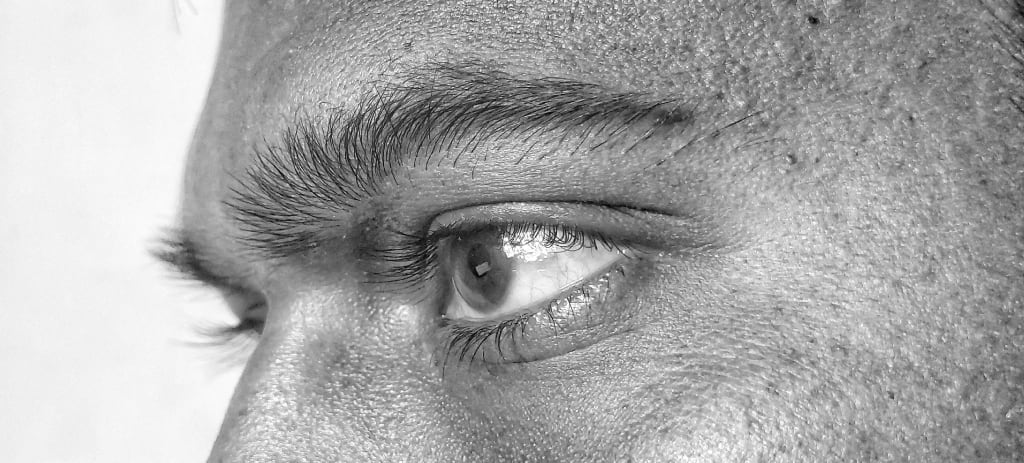
Eye is an organ that detects light and converts it into electrical signals that are sent to the brain to form images.
STRUCTURE
Eye is a complex structure consisting of several parts that work together to enable vision. The main structures of the eye are:
• Cornea: a clear outer layer that helps focus light
• Sclera: the white outer layer that protects and supports the eye
• Iris: the colored part of the eye that controls the amount of light entering
• Pupil: the black circular opening in the center of the iris
• Lens: a clear part behind the iris that focuses light onto the retina
• Retina: the innermost layer of the eye that contains photoreceptor cells (rods and cones)
Which detect light and send signals to the brain.
• Optic nerve: a bundle of nerve fibers that transmits signals from the retina to the brain.
• Vitreous humor: a gel-like substance that fills the space between the lens and the retina.
FUNCTIONS
CORNEA
1. Refraction of light: The cornea helps to bend and focus light entering the eye to form clear image on the retina.
2. Protection: The cornea acts as a protective barrier for the inner structures of the eye, helping to prevent injury and infection.
3. Transparent window: The cornea is transparent, allowing light to pass through to the lens and retina.
4. Sensory reception: The cornea has a rich supply of nerve endings, allowing it to detect pain and other sensations.
SCLERA
1. Protection: The sclera provides structural support and protection for the inner structures of the eye, including the lens, retina, and optic nerve.
2. Maintaining shape: The sclera helps to maintain the shape of the eye, allowing it to maintain its focus and ability to see clearly.
3. Attachment of extraocular muscles: The sclera serves as the attachment site for the muscles that control eye movement.
4. Support: The sclera helps to distribute the pressure within the eye, providing support and stability to the eye.
IRIS
1. Control of pupil size: The iris muscles control the size of the pupil, allowing the eye to adjust the amount of light entering the eye.
2. Light and color perception: The color of the iris contributes to our perception of light and color in the environment.
3. Depth perception: The iris helps to provide depth perception by creating a noticeable change in pupil size when an object moves closer or further away.
4. Protection: The iris helps to protect the lens and inner structures of the eye by blocking excessive light and reducing glare.
PUPIL
1. Control of light entering the eye: The pupil adjusts its size in response to changes in light levels, allowing the eye to control the amount of light entering the eye.
2. Accommodation: The pupil helps the eye to focus on objects at different distances by adjusting its size in response to changes in the lens's shape.
3. Perception of light and color: The pupil helps to regulate the amount of light entering the eye, affecting our perception of light and color.
4. Diagnostic tool: The size, shape, and reactivity of the pupil can provide important diagnostic information about the health of the eye and the nervous system.
LENS
1. Refraction of light: The lens helps to bend and focus light entering the eye to form a clear image on the retina.
2. Accommodation: The lens changes its shape to focus on objects at different distances, allowing us to see clearly at different distances.
3. Maintenance of image quality: The lens helps to maintain the quality of the image by compensating for changes in the eye's shape and ensuring that light is properly focused.
4. Protection: The lens is protected by the iris, which helps to prevent injury and reduce glare by blocking excessive light
RETINA
1. Light detection: The retina contains photoreceptor cells that detect light and convert it into electrical signals that are sent to the brain.
2. Image formation: The retina helps to form a clear image by processing the light that enters the eye and transmitting this information to the brain.
3. Color perception: The retina contains specialized cells that help us to perceive color.
4. Night vision: The retina contains rods, which are specialized cells that help us to see in low light conditions.
5. Visual acuity: The retina is responsible for fine detail and sharpness of vision, allowing us to see objects clearly and precisely.
OPTIC NERVE
1. Transmission of visual information: The optic nerve carries electrical signals from the retina to the brain, allowing us to see and perceive images.
2. Visual acuity: The optic nerve is responsible for transmitting high-resolution visual information to the brain, allowing us to see fine details and sharp images.
3. Binocular vision: The optic nerve helps to coordinate the input from both eyes, allowing us to see in stereo and perceive depth.
4. Peripheral vision: The optic nerve helps to transmit information from the peripheral regions of the retina, allowing us to see objects to the side without turning our heads
VITREOUS HUMOR
1. Maintaining the shape of the eye: vitreous humor helps to maintain the shape of the eye by filling the space between the lens and the retina.
2. Providing support: The vitreous humor helps to support the retina and prevent it from becoming damaged or detached.
3. Aiding in focusing: vitreous humor helps to maintain the eye's focus by transmitting light to the lens and retina.
4. Absorbing shock: The vitreous humor helps to absorb shock and protect the delicate structures of the eye from injury.
5. Regulating temperature: The vitreous humor helps to regulate the temperature within the eye, keeping it stable and maintaining optimal conditions for vision.
About the Creator
PERFECT GUIDE
Planted On 1997
Keep reading
More stories from writers in Education and other communities.
Breaking Down Private and Commercial Pilot Licenses
Taking flight is more than just a thrill; it can be a lifestyle or a full-fledged career. But before you can soar through the skies, you need to earn the appropriate pilot license. Two of the most common paths for aspiring aviators are the private pilot license (PPL) and the commercial pilot license (CPL). While both enable you to fly aircraft, they serve very different purposes and require varying levels of commitment. If you're deciding between the two, understanding the distinctions can help you make the right choice for your future in aviation.
By Jett Harris of Arkansas4 days ago in Education
The Duelist
The rays of a dying red sun flashed against the onrushing blade. The grey beards say the key to dueling lies in size, speed, reach, righteous fury, whatever the person in front of them pays them to say. Matteo knew better than any it was none of these and had an undefeated record on these sands to prove it.
By Matthew J. Fromma day ago in Fiction



Comments
There are no comments for this story
Be the first to respond and start the conversation.