
Human Can Communicate With Feeling Less Computers
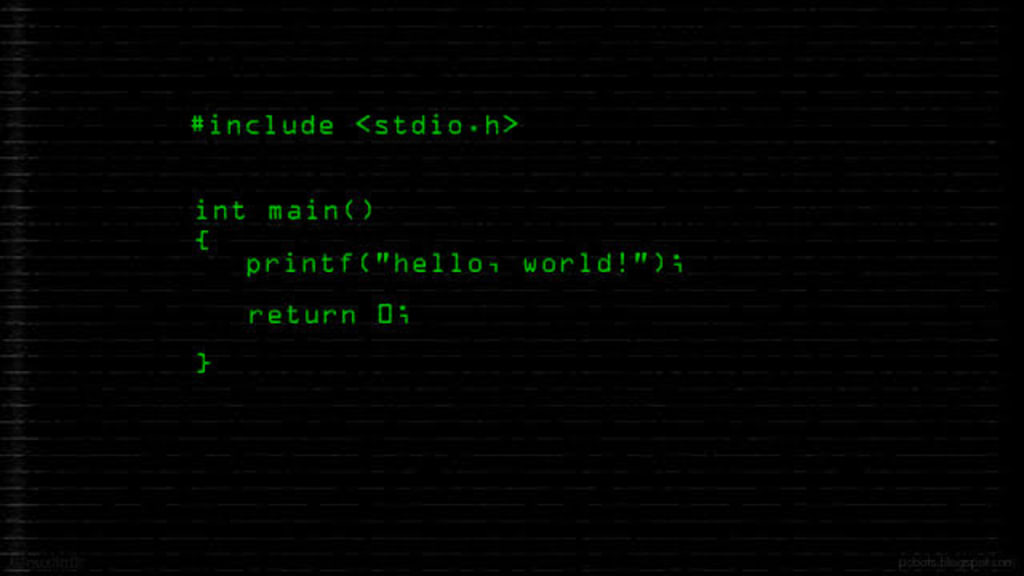
Programmer can communicate with computers through the programming language

In today's world, computers have become an essential part of our lives. They have revolutionized the way we live, work, and communicate with each other.
However, one of the biggest limitations of computers is their inability to communicate with us in the way that humans do.
They lack emotions, and hence, cannot understand or express feelings like humans do.
This has led to a lot of research and development in the field of artificial intelligence and human-computer interaction, with the aim of enabling computers to communicate with us in a more human-like way.
The problem of human-computer communication is not a new one. For many years, researchers have been trying to develop natural language processing (NLP) systems that can understand and interpret human language.
These systems use algorithms and machine learning techniques to analyze text, speech, and other forms of human communication, and convert them into structured data that computers can understand.
While NLP systems have come a long way, they still have a long way to go before they can fully understand and respond to human emotions. For example, consider a scenario where a person is feeling sad and expresses it to a computer.
The computer may be able to recognize the words being spoken, but it may not be able to understand the emotional context behind those words.
This can lead to misinterpretation and inappropriate responses, which can be frustrating for the user.
To overcome this limitation, researchers have been exploring ways to imbue computers with emotional intelligence, which would allow them to understand and respond to human emotions in a more meaningful way.
Emotional intelligence refers to the ability to recognize, understand, and manage one's own emotions, as well as the emotions of others. By incorporating emotional intelligence into computers, it would be possible to create machines that can empathize with humans, understand their feelings, and respond in a more appropriate manner.
One approach to creating emotionally intelligent computers is to use affective computing, which is a branch of computer science that focuses on developing machines that can recognize and interpret human emotions.
Affective computing involves the use of sensors, cameras, and other technologies to detect emotional cues such as facial expressions, tone of voice, and body language.
These cues are then analyzed using machine learning algorithms to identify the emotional state of the user.
Another approach to creating emotionally intelligent computers is to use natural language generation (NLG) systems that can generate text that conveys emotions. NLG systems use machine learning techniques to analyze human language and generate text that is grammatically correct and conveys the intended meaning.
By incorporating emotional cues into the generated text, NLG systems can create more empathetic and engaging communication with users.
Despite these advances, there are still many challenges that need to be overcome before computers can communicate with humans in a truly human-like way.
One of the biggest challenges is that emotions are complex and context-dependent, and it can be difficult for computers to understand the nuances of human emotions. Moreover, emotions are not just expressed through language, but also through nonverbal cues such as facial expressions, gestures, and body language.
To fully understand and respond to human emotions, computers need to be able to interpret all of these cues in real-time.
Another challenge is the ethical implications of creating emotionally intelligent computers. As computers become more human-like in their communication, there is a risk that users may become emotionally attached to them, leading to ethical concerns around the treatment of machines.
Additionally, there is a risk that emotionally intelligent computers could be used to manipulate or exploit human emotions for nefarious purposes, such as marketing or political propaganda.
In conclusion, while computers have come a long way in terms of their ability to communicate with humans, there is still much work to be done before they can truly understand and respond to human emotions. The development of emotionally intelligent computers is a promising area of research, but it also
About the Creator
S k Harihara prakash
A BEGINNER FOR ARTICLE WIRTING AND BLOGGER :)
AND I HOPE YOU ENJOY MY CONTENT
Keep reading
More stories from S k Harihara prakash and writers in Education and other communities.
Best Laptop for Kids
In today’s digital age, laptops have evolved from luxury gadgets to essential tools especially for children. Whether it’s for online classes, educational games, creative projects, or safe exploration of the internet, having the right laptop can play a crucial role in your child’s learning and development.
By Print Frey6 days ago in Education




Comments
There are no comments for this story
Be the first to respond and start the conversation.